US News
Judge blocks ICE courthouse arrest policy nationwide in immigration courts
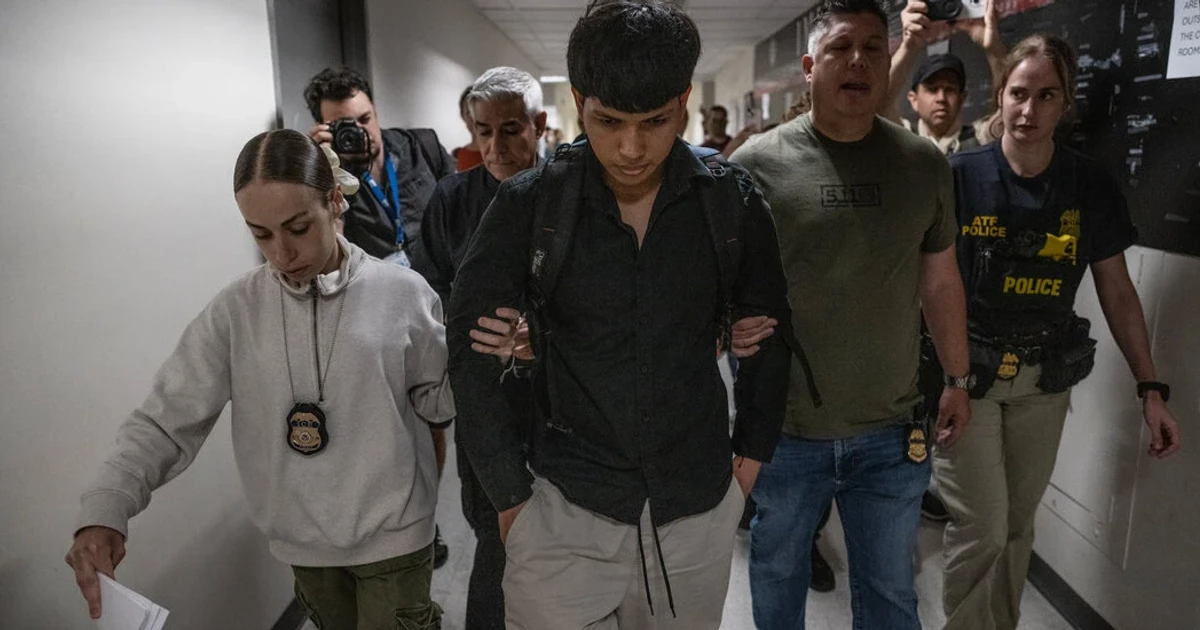
A federal judge on Monday vacated Immigration and Customs Enforcement policies that let agents arrest people at immigration courthouses, handing immigrants a nationwide block against a practice that plaintiffs said kept people from appearing in court to follow the law. U.S. District Judge P. Casey Pitts of the Northern District of California said the challenged rules, adopted in January 2025, were unlawful because ICE and the Justice Department’s Executive Office for Immigration Review failed to give a reasoned explanation for the change.
The order in Pablo Sequen, et al. v. Albarran, et al. applies across the United States, not just in California. It wipes out policies that allowed civil arrests at immigration courthouses and also vacates a separate expansion of detention in short-term hold facilities, a change that reached ICE’s San Francisco hold site at 630 Sansome Street. Pitts found both policy shifts were arbitrary and capricious under the Administrative Procedure Act.
For immigrants with hearings scheduled now, the practical effect is immediate: the challenged courthouse-arrest policy no longer stands as a valid nationwide rule. The ruling is aimed at the fear that someone showing up for an immigration hearing could be seized outside the courtroom, a risk plaintiffs and immigrant-rights groups said created a chilling effect that pushed people away from hearings and from seeking relief through the courts.
The suit was filed as a class action by a coalition that included the ACLU of Northern California, the Central American Resource Center of Northern California, the Lawyers’ Committee for Civil Rights of the San Francisco Bay Area, and Coblentz Patch Duffy & Bass LLP. It had already won provisional relief in late 2025, and Pitts’s June 23 order went further by vacating the challenged policies in full.
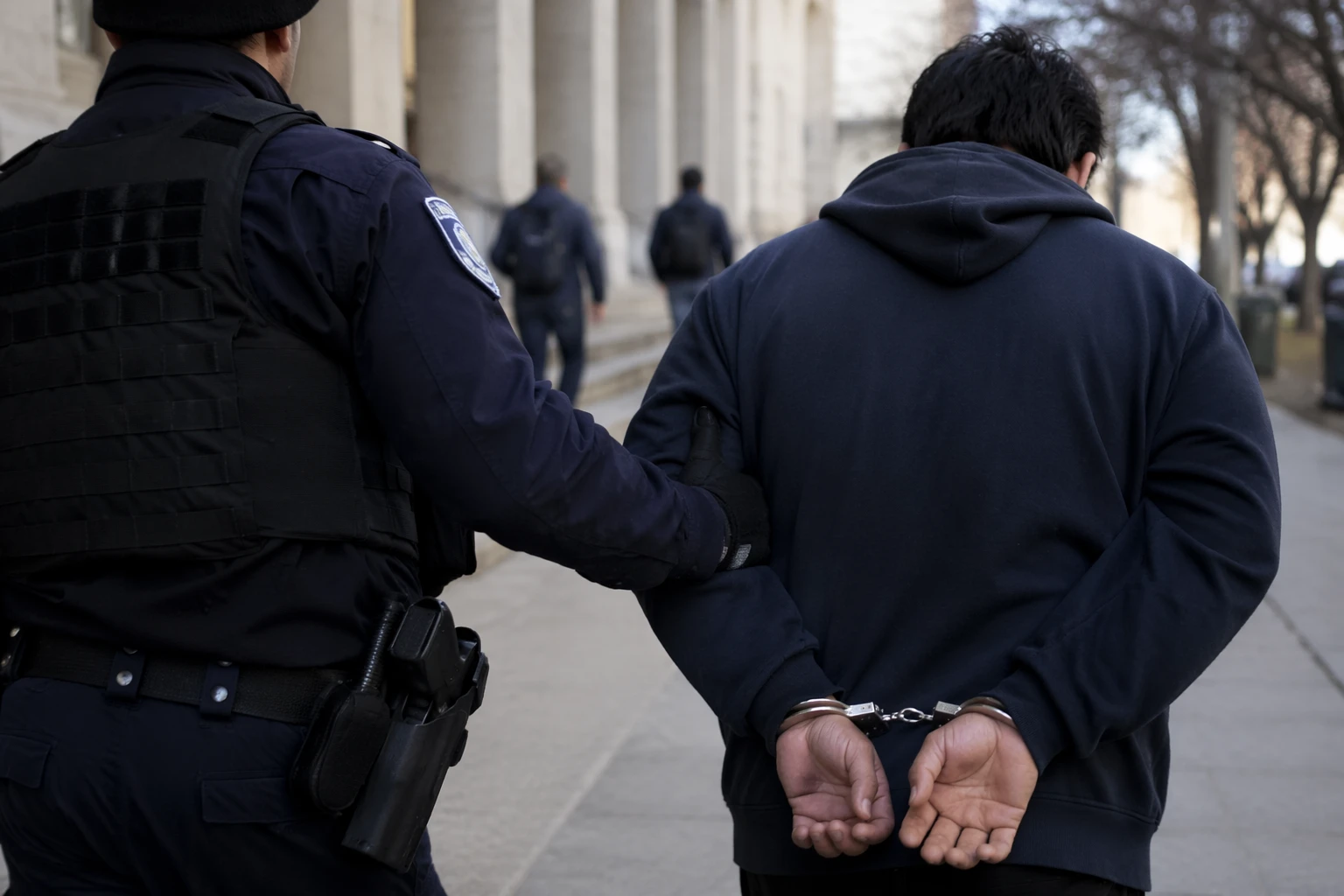
The court also put the policy reversal in historical context. For at least a decade before 2025, ICE had limited courthouse arrests to higher-priority targets such as suspected terrorists, gang members, people convicted of crimes, and others seen as serious public-safety risks. ICE guidance in 2014, 2015 and 2018 kept courthouse arrests narrow, saying most other people encountered in courthouses would not be arrested absent special circumstances.
The ruling lands as a broader rebuke to the administration’s immigration-enforcement strategy. The White House did not immediately respond to requests for comment.
Sources
- [1]nytimes.com
- [2]courthousenews.com
- [3]aclunorcal.org
- [4]apnews.com
- [5]politico.com
- [6]cbsnews.com