US News
Judge blocks Trump administration’s SNAP funding conditions for states
Low-income households that depend on SNAP and school meals will keep seeing federal money flow, for now, after a federal judge blocked the Trump administration from enforcing new USDA conditions that state officials said could have put billions of dollars at risk. The ruling matters far beyond one grant dispute: it freezes an effort to attach broader policy demands to nutrition aid, school lunches and other USDA funding that reaches families with the least room to absorb cuts.
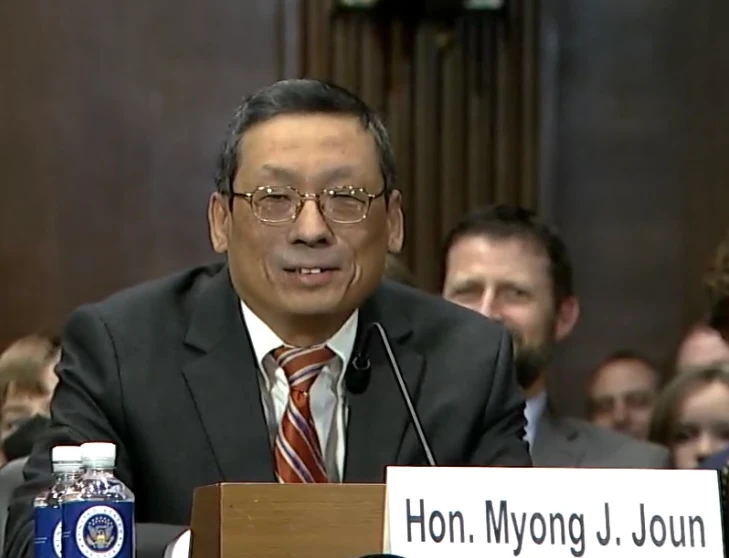
U.S. District Judge Myong Joun issued a preliminary injunction on June 5, 2026, halting enforcement while the case moves forward in the U.S. District Court for the District of Massachusetts. The lawsuit was filed March 23, 2026, by 20 Democratic-led states and the District of Columbia, which said the U.S. Department of Agriculture had imposed vague and unlawful conditions on federal nutrition money. Joun said he would issue a written memorandum later explaining the ruling.
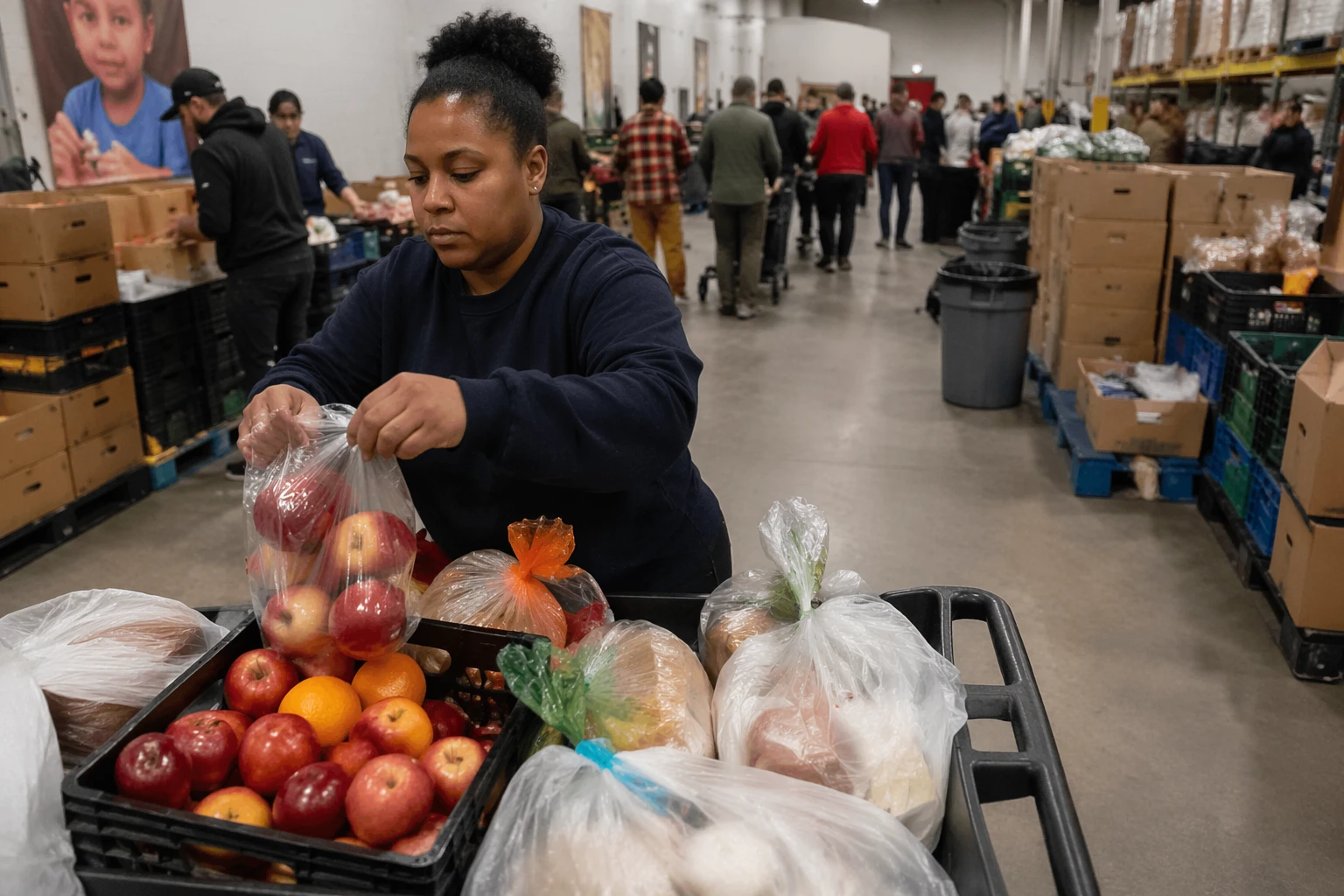
At the center of the fight are USDA general terms and conditions that became effective December 31, 2025, after Agriculture Secretary Brooke L. Rollins signed a memorandum directing USDA agencies to adopt the first-ever standardized terms for future awards. The states say those conditions go well beyond SNAP and apply to a wide range of federal awards, including nutrition assistance and school-lunch funding. The challenged terms bar recipients from using federal money to promote gender ideology, to support programs that deprive women and girls of fair athletic opportunities, or to fund programs that allow illegal aliens to obtain taxpayer-funded benefits. The states also say USDA required compliance with broad, undefined federal anti-discrimination policies.
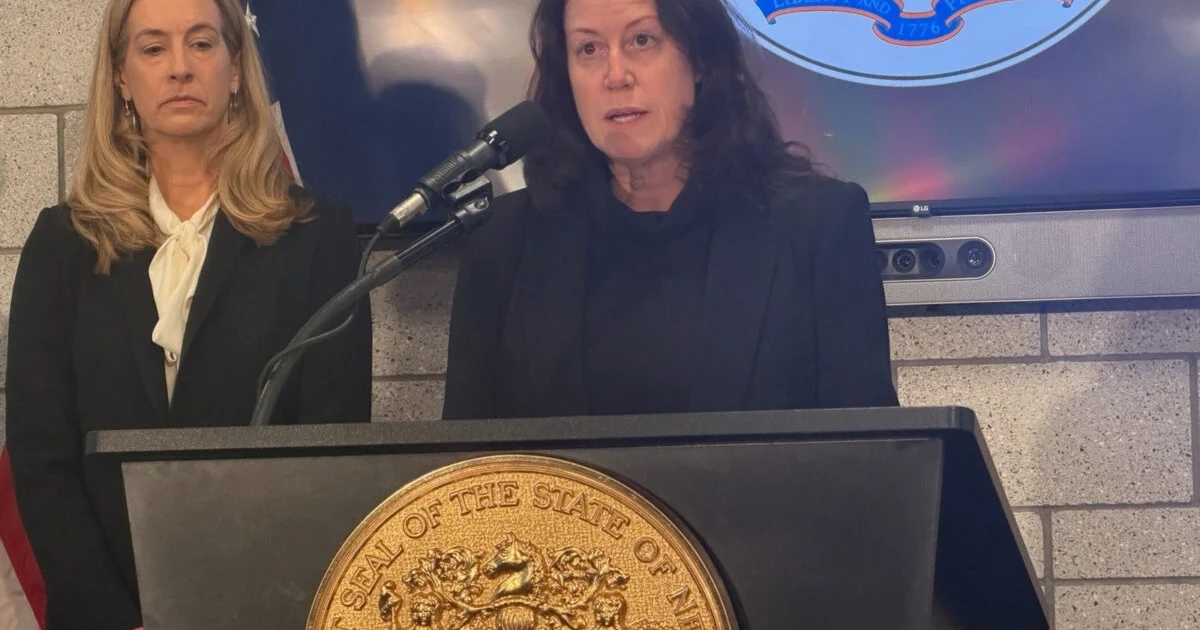
State officials cast the case as a fight over congressional power and federal leverage. California Attorney General Rob Bonta said the conditions could put billions of dollars in funding for his state at risk, while New York Attorney General Letitia James called the policy an attempt to hold critical funding hostage. Illinois Attorney General Kwame Raoul said the administration was targeting daily food and nutrition programs that states rely on.
The injunction does not resolve the legal battle, but it changes the stakes immediately for states administering aid and for the households that receive it. For now, the USDA cannot use those conditions to force compliance, leaving a larger constitutional question in place: how far Washington can go in attaching new policy demands to the safety net.
Sources
- [1]cbsnews.com
- [2]strategichealthcare.net
- [3]courthousenews.com
- [4]usda.gov
- [5]oag.ca.gov