Politics
Judge blocks Trump order targeting slavery exhibit at Independence park
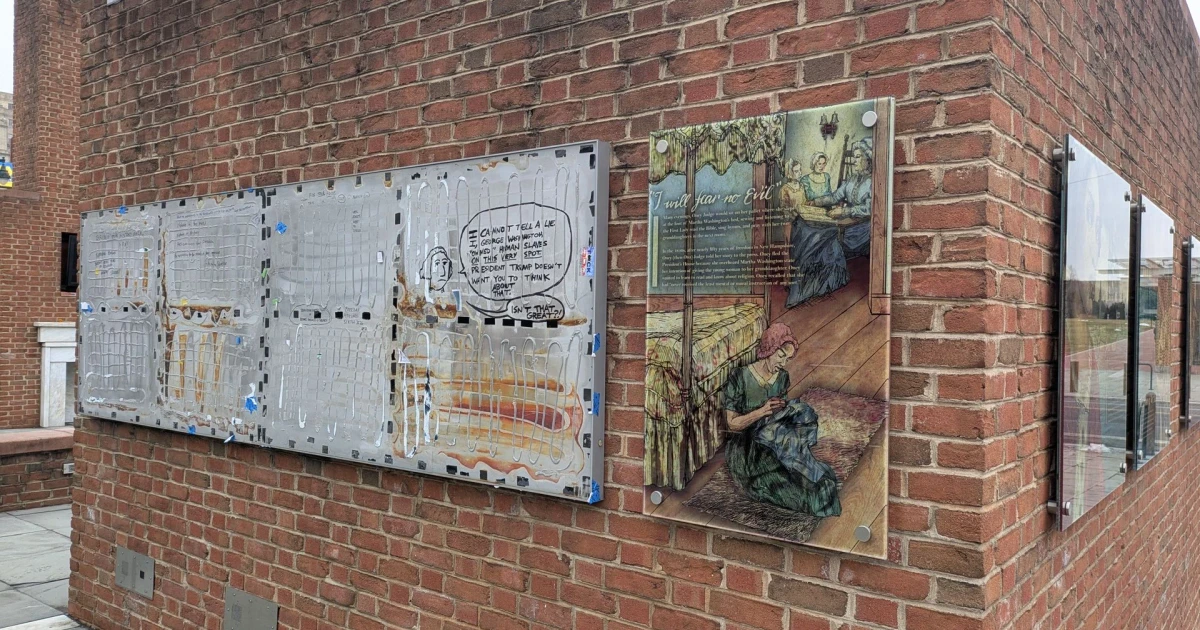
The fight over America’s public memory has landed at the President’s House Site in Philadelphia, where a federal judge ordered the Trump administration to restore an exhibit that confronted slavery at the very place George Washington and John Adams once lived. The dispute now reaches beyond one memorial wall at Independence National Historical Park and into a larger struggle over who gets to define contested history on federal land.
The outdoor exhibit, “Freedom and Slavery in the Making of a New Nation,” opened in 2010 at 6th and Market Streets, steps from the Liberty Bell Center. It sat above the foundations of the house that was demolished in 1832, with the remaining footprint visible to visitors. The exhibit highlighted the contradiction between the nation’s founding ideals and slavery, and it honored nine people enslaved by George Washington and Martha Washington: Austin, Paris, Hercules, Christopher Sheels, Richmond, Giles, Oney Judge, Moll and Joe.
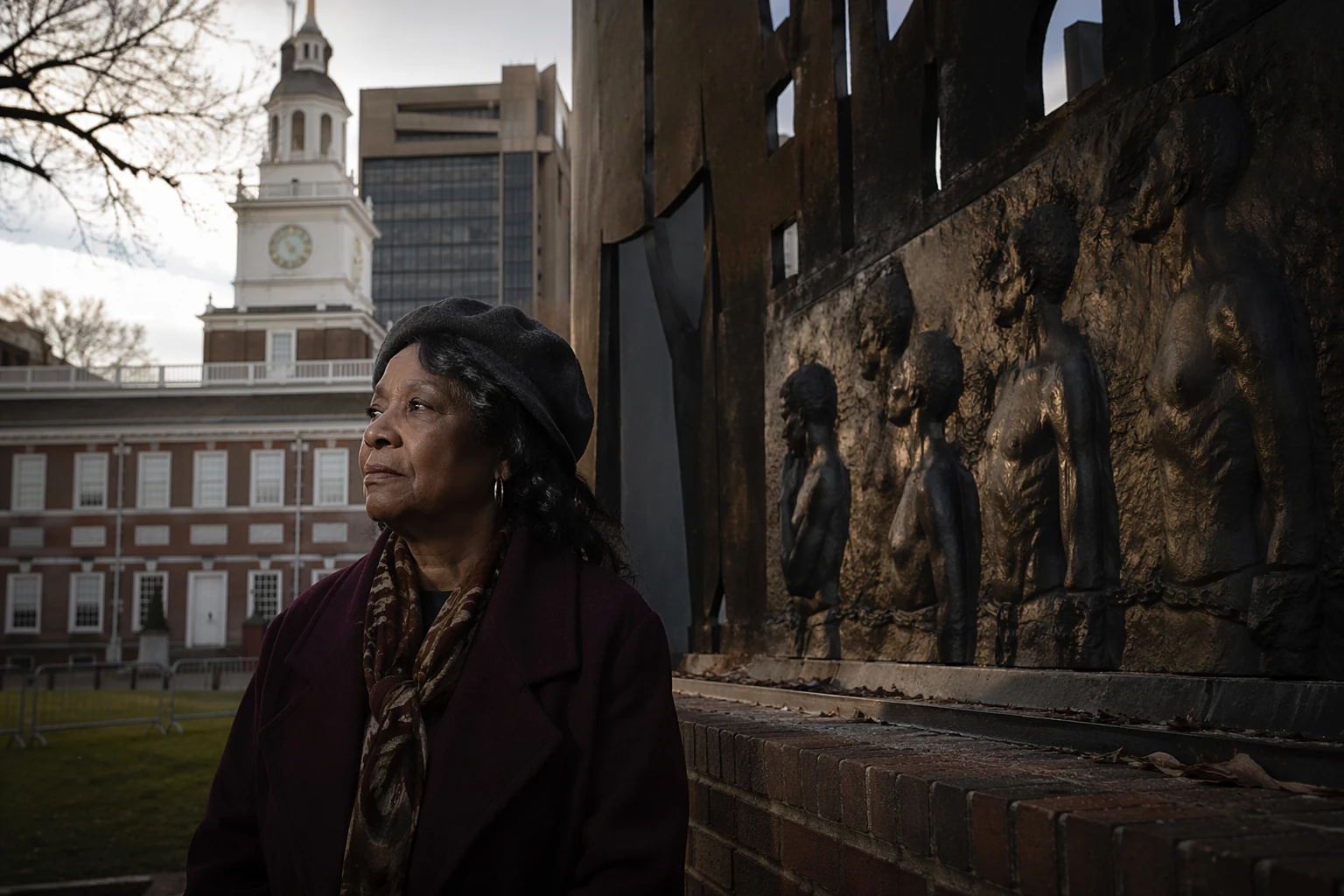
National Park Service staff removed the exhibit on January 22, 2026, taking down plaques, videos and 34 educational panels that described the site’s role in slavery and Philadelphia’s place in the transatlantic slave trade. The removal followed Donald Trump’s March 27, 2025 executive order, “Restoring Truth and Sanity to American History,” and Interior Secretary Doug Burgum’s Secretarial Order 3431, issued May 20, 2025, which directed reviews of park exhibits and targeted material said to “inappropriately disparage Americans.”
Philadelphia sued after the dismantling, arguing that a 2006 cooperative agreement required federal officials to consult the city before altering the exhibit and that the site was intended to permanently commemorate the enslaved Africans who lived in Washington’s household. U.S. District Judge Cynthia Rufe sided with the city on February 16, 2026, issuing a preliminary injunction that ordered the exhibit restored and calling the removal arbitrary. In her opinion, she rejected the administration’s claim that it alone could decide what is true and invoked George Orwell’s “1984.”
The legal fight continued on June 2, 2026, when a federal appeals court heard arguments over whether the National Park Service can change the exhibit or must fully restore it. The administration said Philadelphia has no veto power over federal property. The city said the 2006 deal and its investment in the memorial gave it a continuing legal interest, and that the park service also had obligations under the Underground Railroad Act.
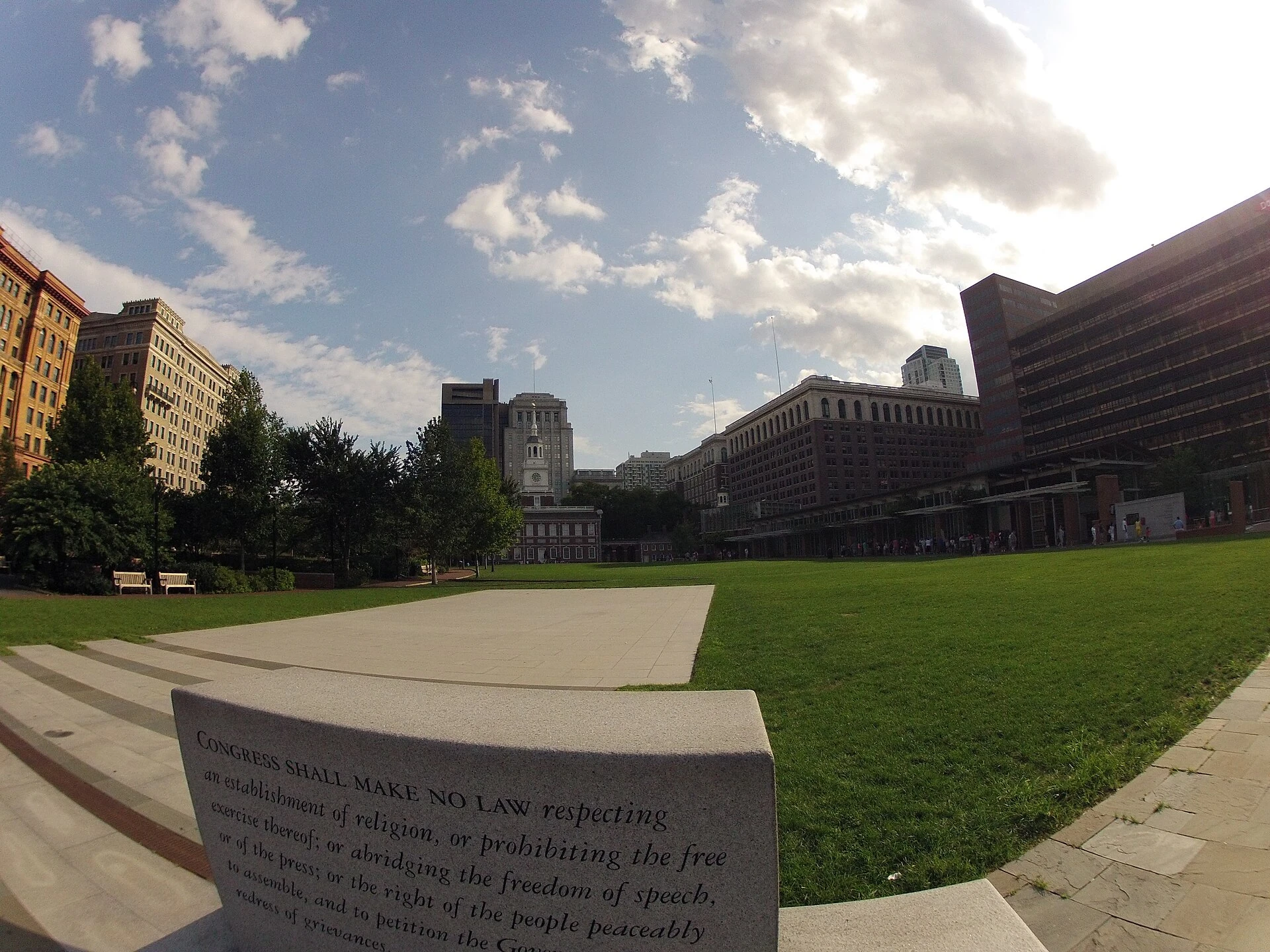
The stakes extend well beyond one site. Independence National Historical Park sits at the center of Philadelphia’s semiquincentennial plans ahead of July 4, 2026, and the President’s House Site has long been framed as a place to confront the “paradox between slavery and freedom” in the founding era. Historians, preservation groups and civil-rights advocates said removing the exhibit distorted the record and threatened how national parks present the country’s most disputed history.