Health
Judge blocks Trump plan to ban soda, candy in SNAP purchases
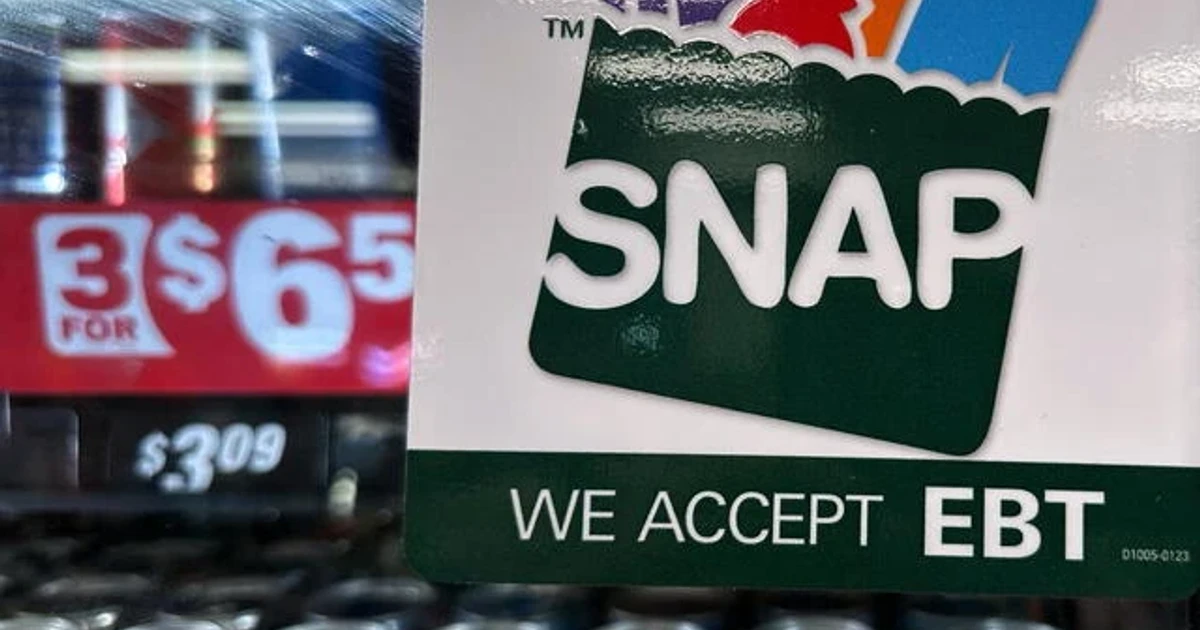
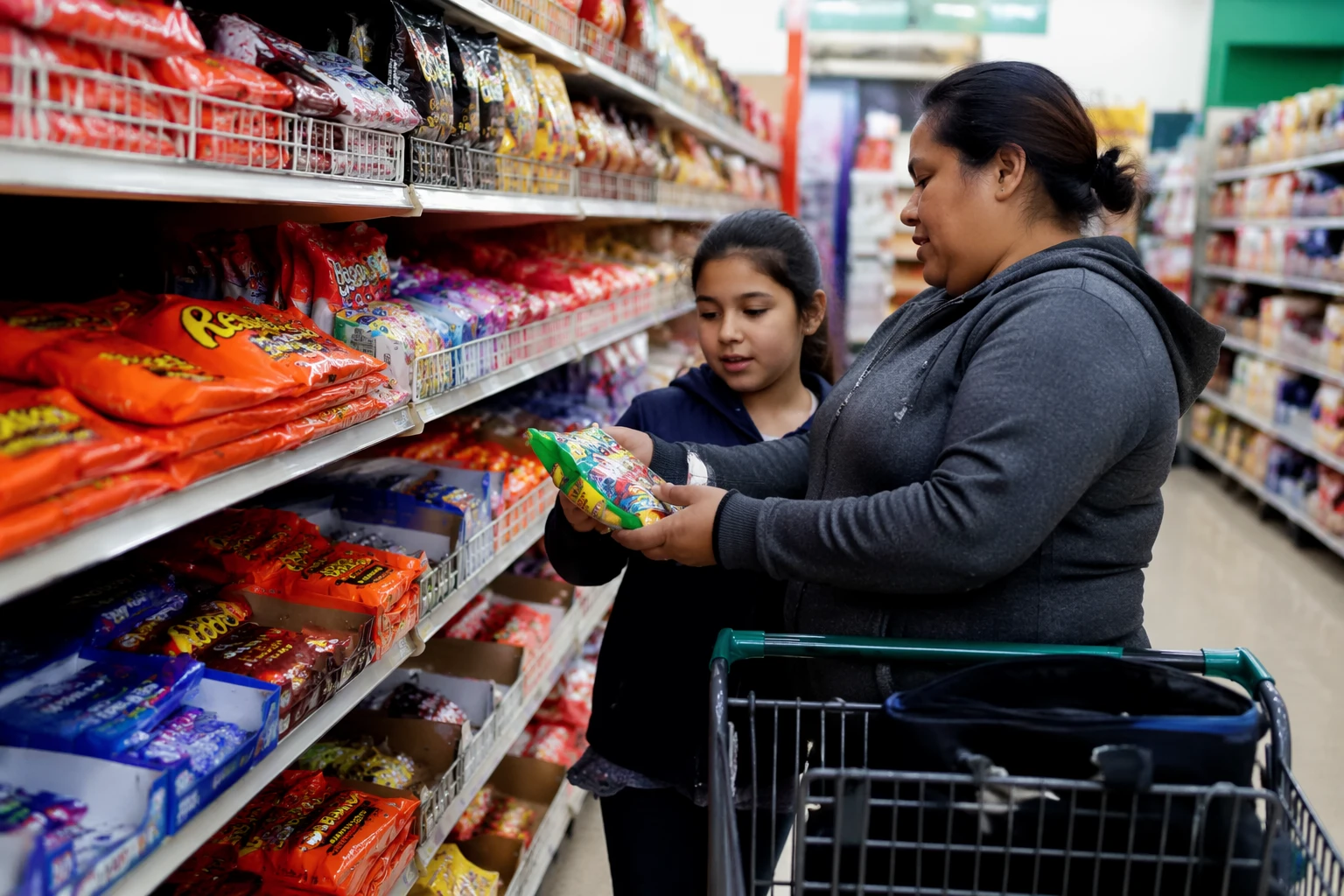
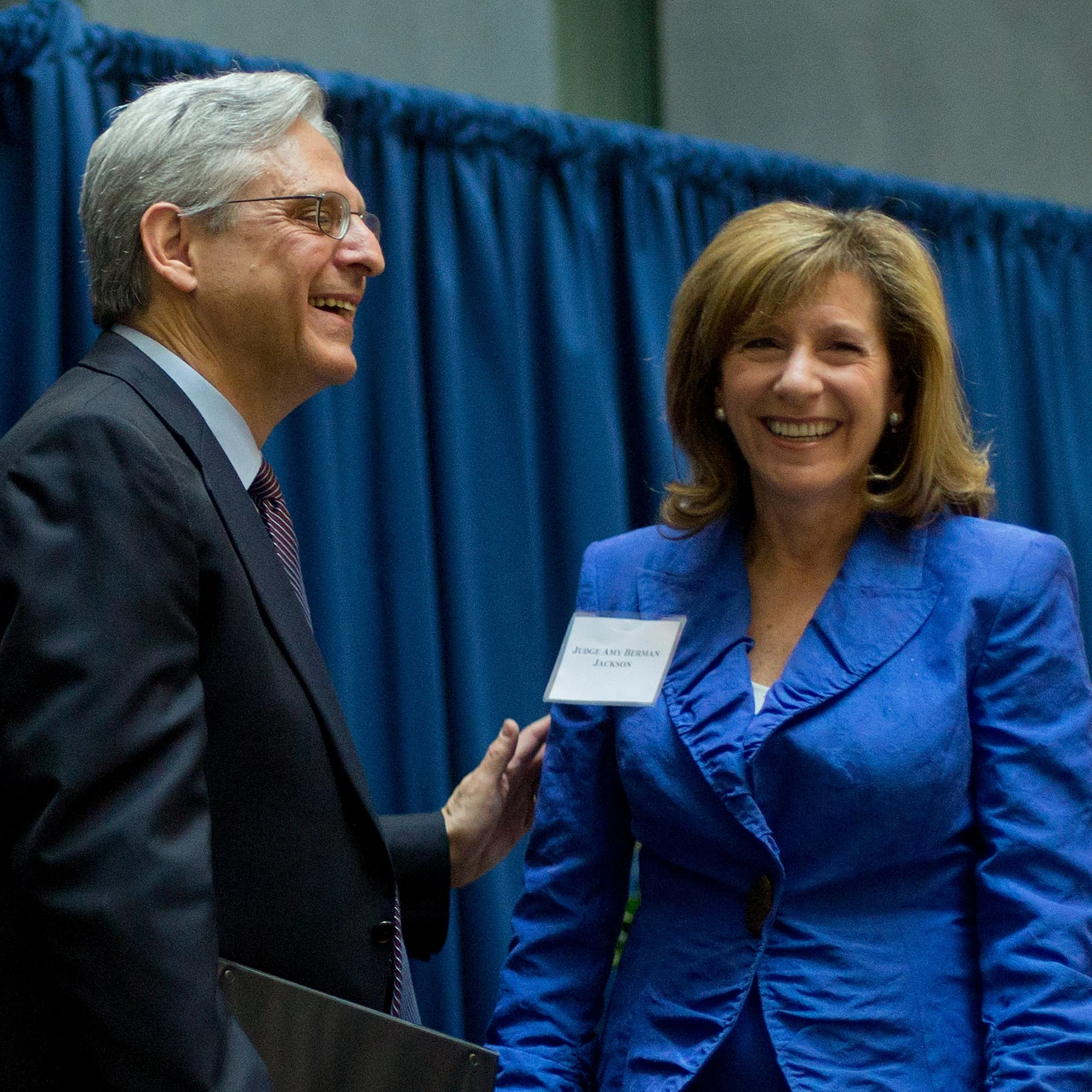
A federal judge in Washington blocked the Trump administration’s effort to stop SNAP benefits from being used to buy candy, soda and other sugary drinks, preserving purchase rules that still shape the nation’s largest food-aid program. U.S. District Judge Amy Berman Jackson said the government could press public-health goals only through lawful means, and she focused her ruling on law and regulations rather than on whether the policy was wise.
The decision was a setback for the administration’s Make America Healthy Again push, which has encouraged states to seek waivers limiting what Supplemental Nutrition Assistance Program recipients can buy. USDA has already approved restrictions in 23 states, and the rules vary widely, from soda-only limits to broader bans covering candy, energy drinks, prepared desserts and some taxable foods. The agency’s waiver page says the effort is meant to restore nutritional value to SNAP, with implementation dates stretching from Indiana and Iowa on January 1, 2026, to Hawaii on April 1, 2027.
The rollout has been tied to high-profile state and federal announcements. On June 10, 2025, USDA said Brooke L. Rollins and Robert F. Kennedy Jr. signed food-choice waivers for Arkansas, Idaho and Utah. On August 4, 2025, the Department of Health and Human Services said six more waivers were being celebrated for West Virginia, Florida, Colorado, Louisiana, Oklahoma and Texas. USDA also said retailers would get a one-time 90-day grace period for compliance tied to each state’s start date.
The legal fight was already taking shape before Jackson’s ruling. A lawsuit filed March 11, 2026 in Washington, D.C., challenged USDA approvals in Colorado, Iowa, Nebraska, Tennessee and West Virginia, arguing the department lacked authority to let states redefine eligible food through waivers and had skipped notice-and-comment requirements. USDA had said that before these waivers, SNAP recipients could buy anything except alcohol, tobacco, hot and prepared foods, and personal care products.
The ruling leaves a broader policy dispute unresolved: whether food-aid programs should protect recipient choice, steer families toward healthier purchases or stay closest to Congress’s original design. For households living on tight food budgets and for retailers adapting checkout systems, the issue goes well beyond soda and candy.
Sources
- [1]usnews.com
- [2]usda.gov
- [3]hhs.gov
- [4]fna.usda.gov
- [5]hoganlovells.com
- [6]apnews.com