Politics
Judge blocks Trump voter-screening database as unlawful
A federal judge blocked the Trump administration from using its revamped SAVE database to check voter eligibility or purge voter rolls, ruling that the government had turned a benefits-verification system into an unlawful election-screening tool. U.S. District Judge Sparkle L. Sooknanan in Washington, D.C., said the overhaul crossed legal limits by aggregating Americans' personal data into a centralized system and violating privacy and disclosure laws.
SAVE, short for the Systematic Alien Verification for Entitlements system, was built to help states verify eligibility for public benefits, not to operate as a mass voter-verification database. The administration expanded it last year after President Donald Trump signed a March 25, 2025 executive order on elections that directed federal officials to help verify voter-registration lists and share citizenship information with states. Several states had already run their entire voter lists through the system before the ruling.
The case was brought by the League of Women Voters and the Electronic Privacy Information Center, or EPIC, along with other plaintiffs. They argued that the administration lacked statutory authority to repurpose the database for election policing and failed to follow required public-notice procedures. In a 75-page opinion, Sooknanan sided with the challengers and blocked the U.S. Department of Homeland Security from using the overhauled tool for voter-eligibility checks.
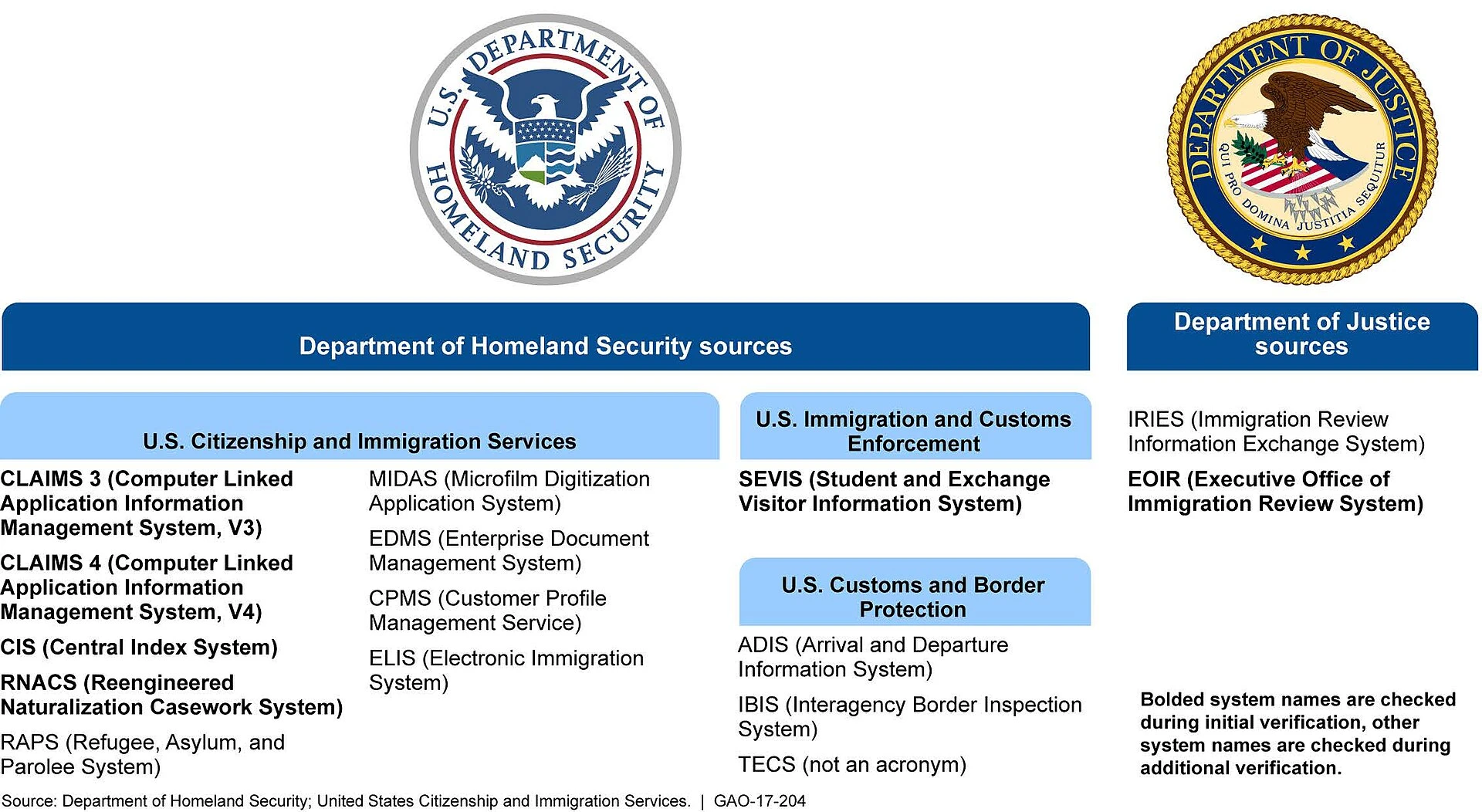
The ruling put immediate scrutiny on who could be swept up by the system. Reports said foreign-born U.S. citizens were among those mistakenly flagged as potential noncitizens, raising the risk that eligible voters could face challenges or removal from voter rolls. The court record also described the database as pooling Social Security numbers, citizenship status and other sensitive personal information, a combination that sharpened concerns about privacy and error.
The decision was a setback for Trump’s effort to expand the federal role in elections ahead of the November midterms. It also underscored the central tension in the case: a program marketed as election protection was found unlawful in practice, because it relied on a broad federal data system that could misidentify citizens and invite haphazard purges rather than careful voter verification.
Sources
- [1]news.google.com
- [2]npr.org
- [3]reuters.com
- [4]cbsnews.com
- [5]politico.com
- [6]whitehouse.gov
- [7]campaignlegal.org