US News
Judge blocks Trump’s $100,000 H-1B visa fee
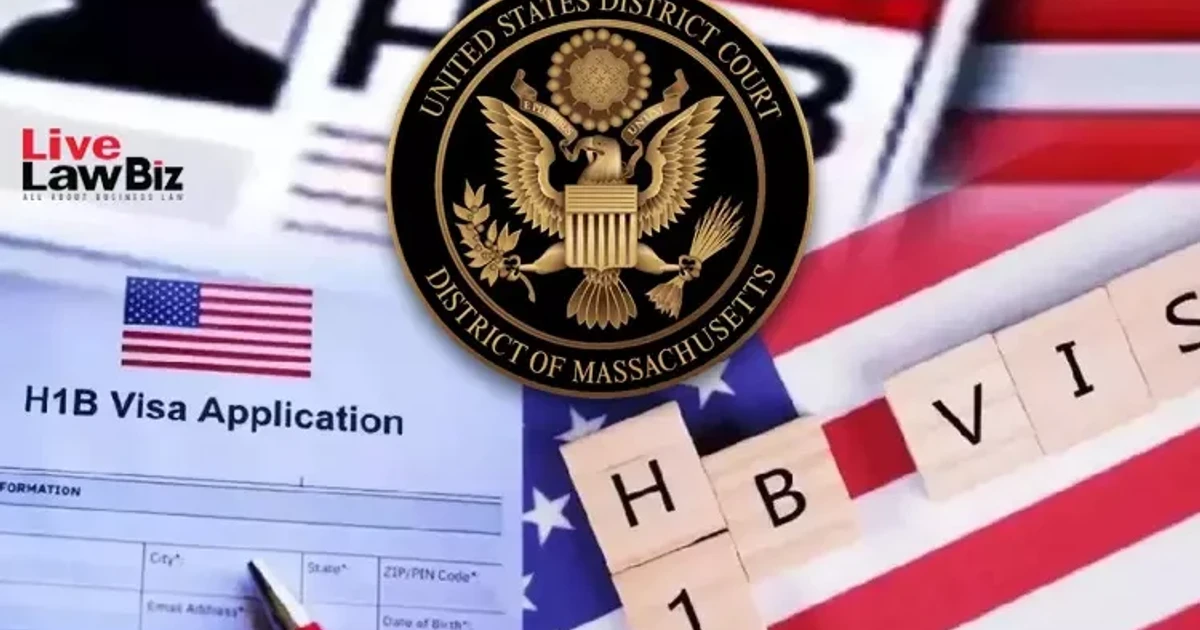
The clash over Donald J. Trump’s $100,000 H-1B fee exposed a sharp labor-market reality check: the White House framed the charge as a way to stop foreign workers from taking American jobs, while employers in technology and other specialized industries said they depend on that talent to fill roles that require highly specific skills. On June 8, a federal judge in Massachusetts vacated the guidance that put the fee into effect, removing the requirement for now and easing some of the confusion and panic that swept through companies, students and workers after the announcement.
The ruling came in State of California v. Mullin, in the U.S. District Court for the District of Massachusetts. U.S. Citizenship and Immigration Services said it would comply with the order and has already vacated the agency guidance that implemented the payment requirement. The Department of Homeland Security said it strongly disagreed with the decision and was considering next steps. The Trump administration has already appealed.
The fee was first announced in a Sept. 19, 2025, proclamation and was designed to apply to new H-1B petitions filed on or after 12:01 a.m. EDT on Sept. 21, 2025, including the FY 2026 lottery. That lottery feeds a program that remains the main U.S. temporary work visa for specialty occupations requiring at least a bachelor’s degree or its equivalent. Each year, the cap stands at 65,000 visas, with an additional 20,000 reserved for workers who hold advanced degrees from U.S. universities.

The administration’s argument was simple: a much higher fee would discourage companies from using foreign labor where Americans could fill the jobs. But the H-1B system has long been built around specialized hiring, and USCIS says employers use H-1B workers for highly specialized jobs. For many businesses, the issue is not whether they can find a worker, but whether they can find one with the exact training needed to keep projects on schedule and compete globally.
The legal fight landed alongside a broader rewrite of H-1B rules already underway at USCIS. A modernization final rule took effect on Jan. 17, 2025, and a separate weighted-selection rule is scheduled to take effect on Feb. 27, 2026, for the FY 2027 cap registration season. The agency has described those changes as efforts to better match employer labor needs while favoring higher-skilled, higher-paid workers.
For now, the court has blocked the fee that became a flashpoint in the immigration debate. The larger contest over whether Washington should restrict H-1B hiring or use it to reinforce U.S. competitiveness is still far from settled.
Sources
- [1]cbsnews.com
- [2]uscis.gov
- [3]whitehouse.gov
- [4]apnews.com