US News
Judge blocks USDA limits on SNAP purchases in five states
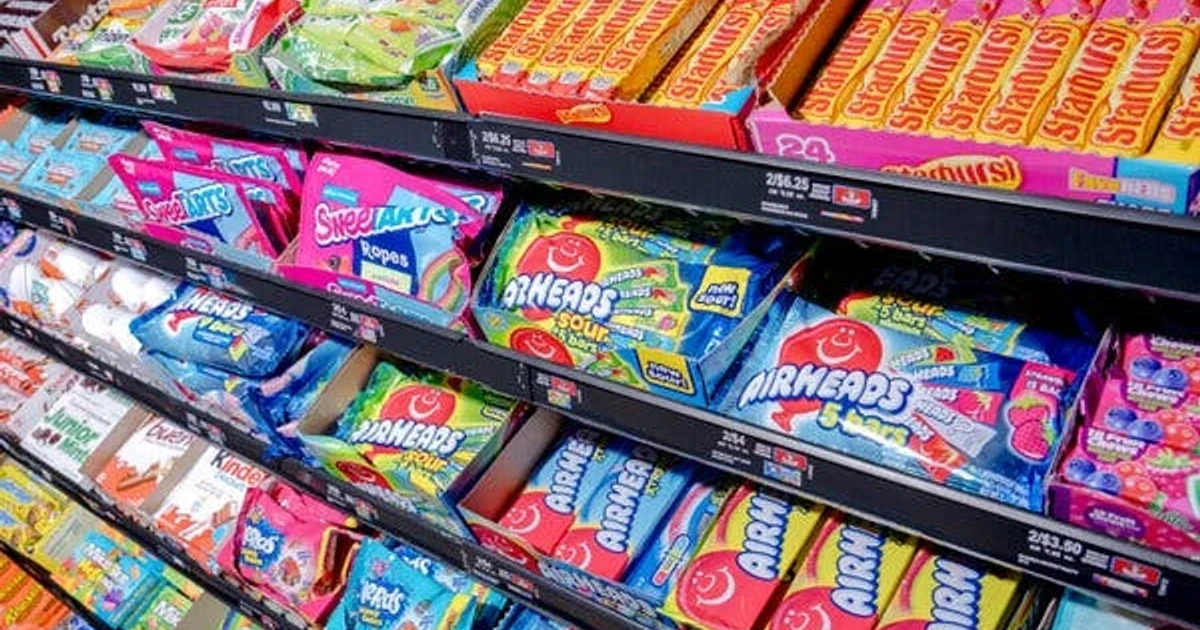
A federal judge halted a Trump administration push to keep SNAP recipients in five states from buying sugary foods and drinks, preserving benefit choices for families in Colorado, Iowa, Nebraska, Tennessee and West Virginia. The ruling immediately blocked the Agriculture Department from enforcing waivers that would have steered purchases away from soda, energy drinks, candy, snack foods and other sugary products.
U.S. District Judge Amy Berman Jackson in Washington, D.C., ruled that the Agriculture Department lacked authority to approve the state waivers, giving the Supplemental Nutrition Assistance Program a sharper legal boundary at a moment when officials in Washington and several state capitals have tried to use the program to shape eating habits. The case, Aragon v. Rollins, was filed March 11 by five low-income SNAP recipients from the five states named in the suit.
The plaintiffs argued that the USDA’s approvals unlawfully narrowed the definition of eligible food, would disrupt families’ ability to manage chronic health conditions and would create confusion and administrative burdens for retailers. They also said the department bypassed required notice-and-comment procedures and had no scientific methodology to judge whether the waivers worked. The National Center for Law and Economic Justice, which backed the case, said the lawsuit sought to enjoin the waivers in Colorado, Iowa, West Virginia, Tennessee and Nebraska.
The dispute sits at the center of a broader fight over SNAP’s purpose: whether it is meant to be an anti-hunger program, a public-health lever, or both. Agriculture Secretary Brooke Rollins and Health and Human Services Secretary Robert F. Kennedy Jr. had promoted the restrictions as part of the “Make America Healthy Again” agenda, while opponents said the policy risked punishing low-income shoppers without clear evidence that checkout restrictions would improve health. By the time Jackson ruled, USDA had approved food-restriction waivers in 23 states.
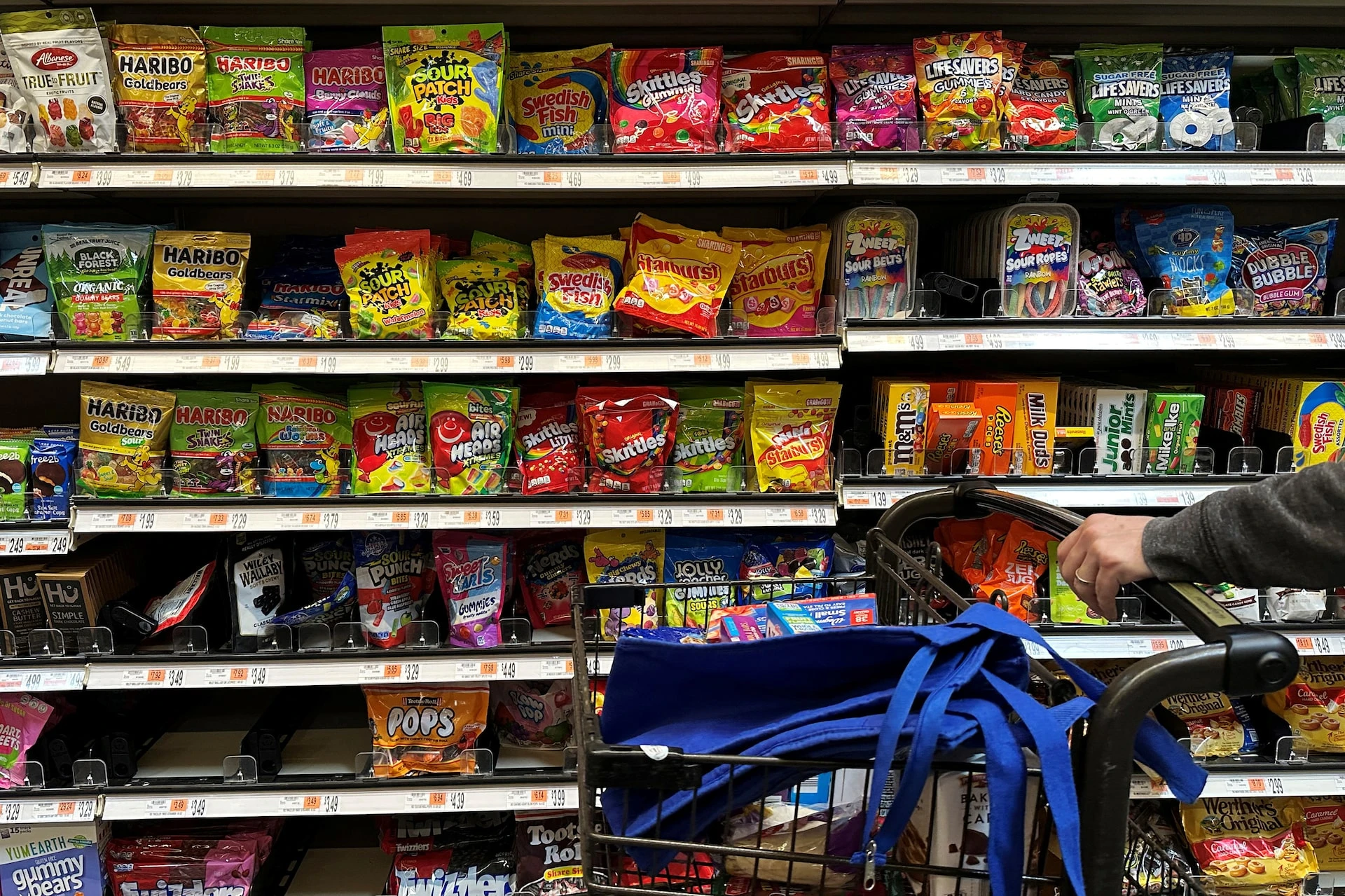
The decision could also constrain future administrations and states that want to reshape food choices through benefit rules rather than Congress. Missouri had already delayed its own planned restrictions on candy and sugary drinks until February 15, 2027, after grocers warned they needed clearer guidance. Industry analysts have said the spread of the rules could alter consumer spending patterns and push food companies to reformulate products, with one estimate putting possible food-and-beverage sales losses at up to $830 million this year if the restrictions continue expanding.
Sources
- [1]nytimes.com
- [2]usnews.com
- [3]clearinghouse.net
- [4]nclej.org
- [5]cnbc.com
- [6]newstribune.com