Politics
Judge denies bid to block DOJ anti-weaponization fund, warns against delay
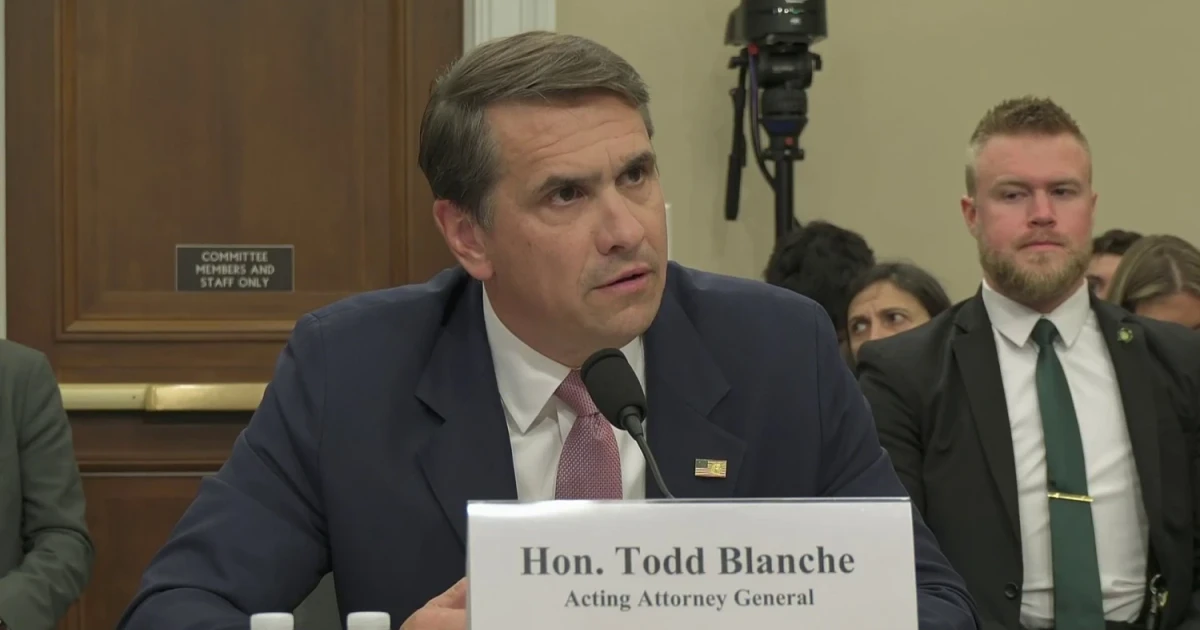
A federal judge refused to put a permanent stop to the Justice Department’s anti-weaponization fund, but made clear the court wanted more than a verbal retreat from the Trump administration. The judge warned against delay, saying, “Don’t play possum with this court,” after Acting Attorney General Todd Blanche told Congress the department was not moving ahead.
The fund, announced by the Justice Department on May 18, 2026, would have set aside $1.776 billion as part of the settlement in President Donald J. Trump v. Internal Revenue Service. Trump and his co-plaintiffs dropped the lawsuit tied to the IRS and leaked tax returns, and the settlement papers said the fund would be run by five members appointed by the attorney general within 30 days of the agreement taking effect.
The idea drew immediate criticism because the fund was framed as a channel for claims from people who said they had suffered “weaponization and lawfare.” Critics saw it as an unusual payout mechanism that could benefit Trump allies or supporters, and a federal judge temporarily blocked it after a Jan. 6 prosecutor and other plaintiffs sued. Blanche then told a House Appropriations subcommittee on June 2, “We’re not moving forward with the fund, period,” and said that would remain true even after any court order pausing the fund expired.
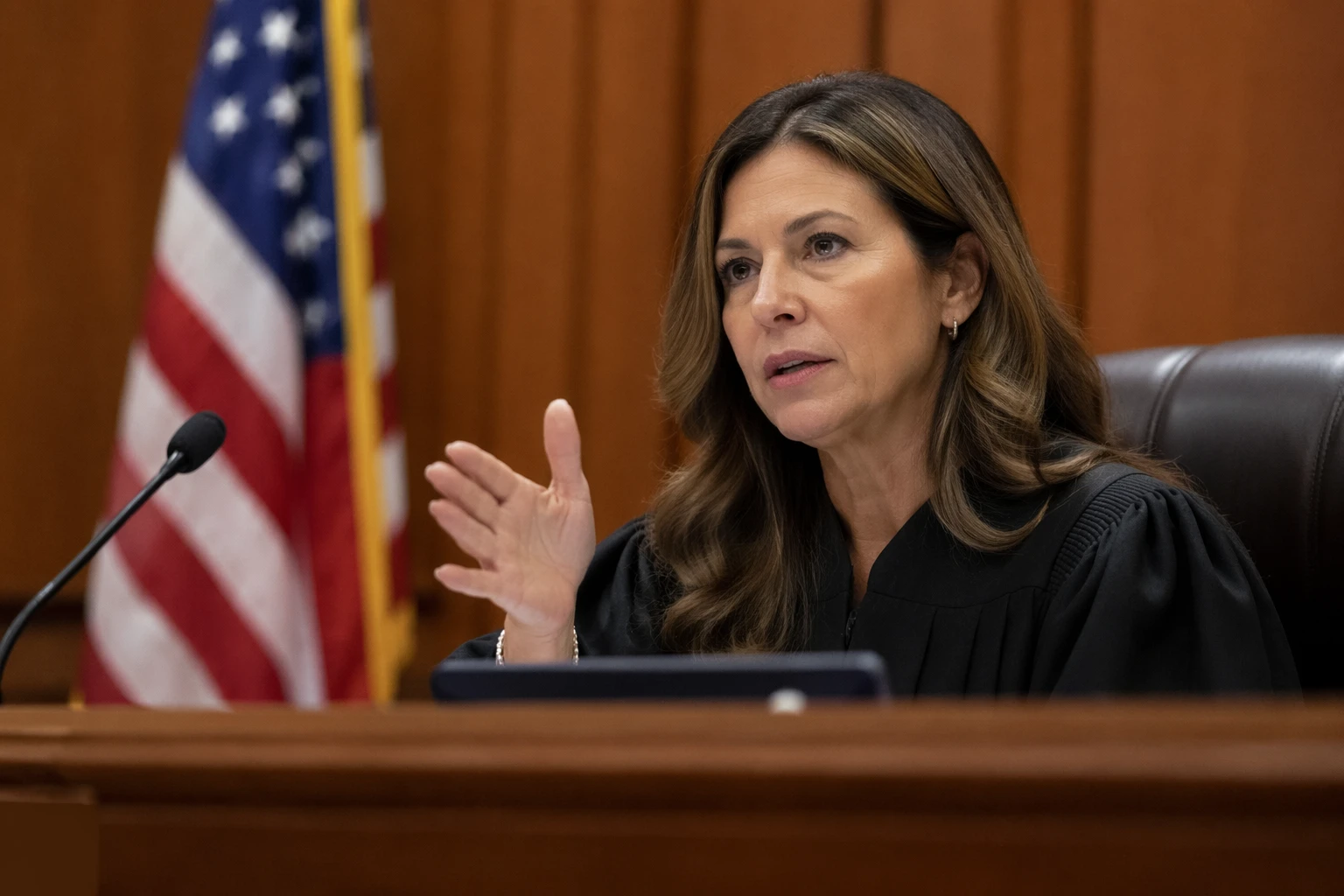
Justice Department lawyers later told the court the fund was “not going forward,” adding that no members had been appointed and no claims procedures had been established. Even so, the department resisted a more durable judicial block, arguing that the case was moot because the fund was effectively dead. The judge’s warning suggested that was not enough without a binding record that the government had formally stepped back.
The fight rippled far beyond the courthouse. Senate Republicans were forced to delay votes on a GOP immigration-funding package because of objections to the $1.8 billion plan, and Democrats moved to kill it as well. The fund was ultimately stripped out, but the episode exposed how quickly a proposed Justice Department payout can become a test of credibility, congressional leverage and judicial oversight. NBC News also reported that, even without the anti-weaponization fund, the administration could still use the separate Judgment Fund for some claims, underscoring why the controversy did not end when Blanche said the money would not move forward.
Sources
- [1]cbsnews.com
- [2]justice.gov
- [3]nbcnews.com