US News
Judge denies medical release for former Illinois deputy convicted in Sonya Massey killing
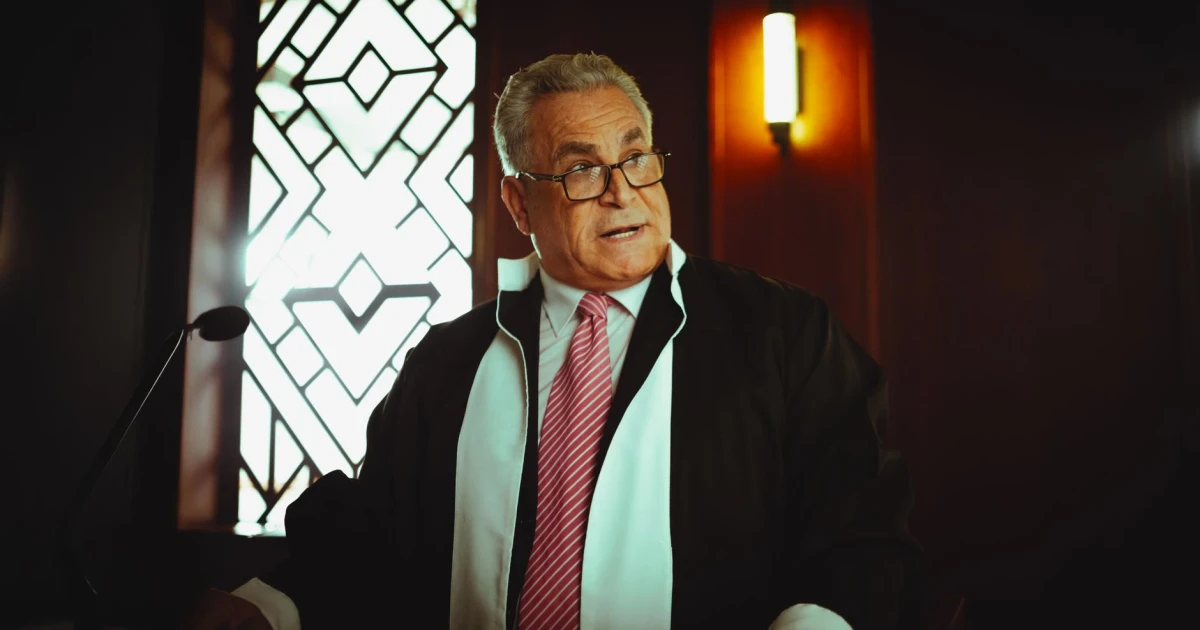
The Illinois Prisoner Review Board unanimously denied Sean Grayson’s request for medical release on July 31, keeping the former Sangamon County sheriff’s deputy behind bars while he serves a 20-year sentence for second-degree murder in the killing of Sonya Massey.
The decision closed off, at least for now, a bid by the former Illinois deputy to leave custody for treatment after his conviction in October 2025 and sentencing on January 29, 2026. It also ensured that the punishment in a case that has become a national flashpoint over police violence and the treatment of Black victims remains unchanged as public attention stays fixed on how law enforcement accountability is handled in custody and in court.
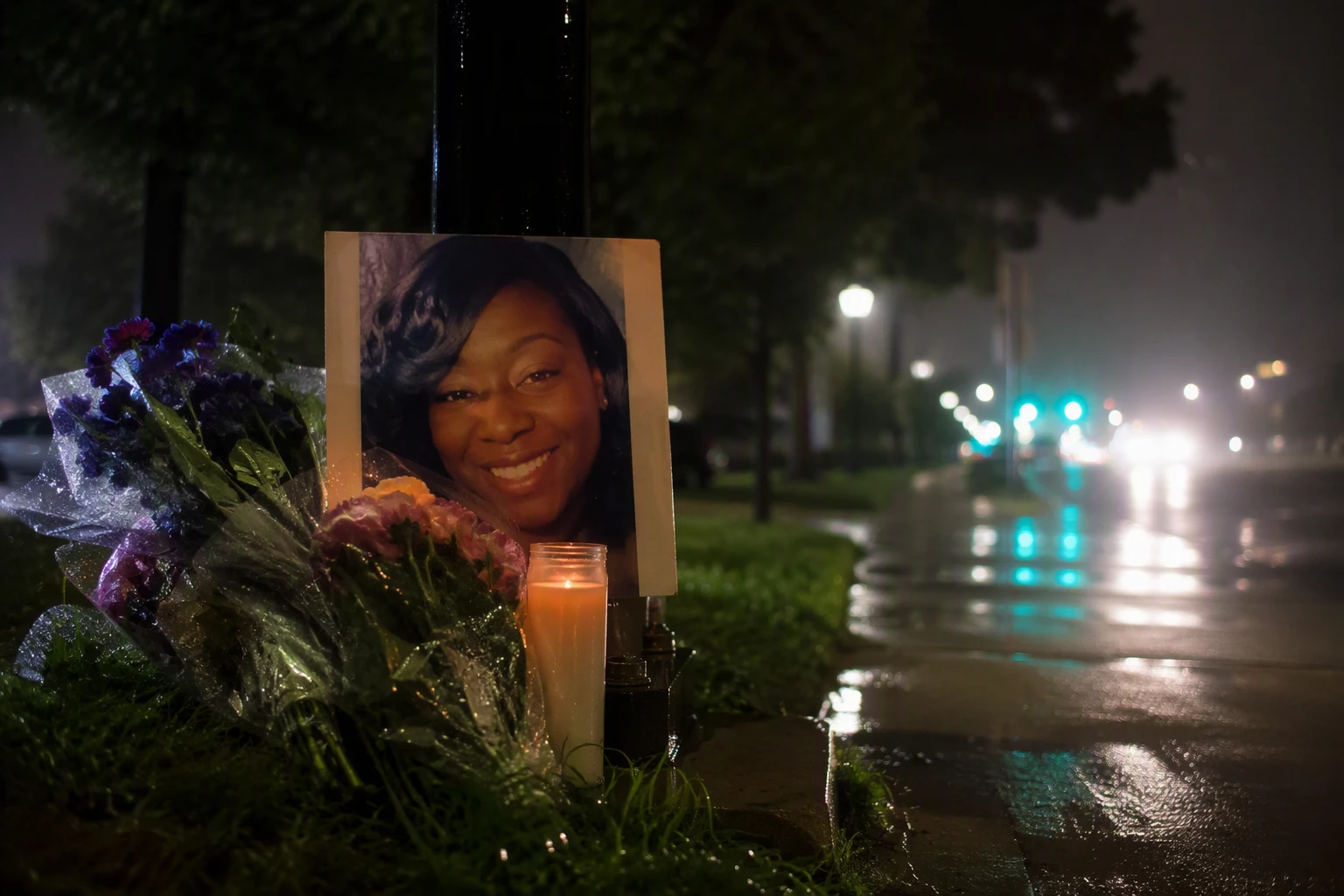
Massey was shot and killed on July 6, 2024, in Springfield, Illinois, after she had called 911 for help. Court filings and reporting described Massey as an unarmed Black woman who apologized and ducked before Grayson shot her three times inside her home. Prosecutors said she was shot in the face during a tense dispute over a pot of water. Grayson has maintained that Massey attacked him.
The board that rejected the request was identified as Rodger Heaton, Robin Shoffner and Jared Bohland. The application was filed under the Illinois Medical Release Act, with the case listed as MR0510 and a recert date of May 20, 2026. The request cited advanced or terminal colon cancer, and Mark Wykoff, Grayson’s attorney, said at sentencing that Grayson had been diagnosed with Stage 3 colon cancer in 2023.
The ruling lands in a case that already drew scrutiny far beyond Sangamon County. Sonya Massey’s death prompted protests, political criticism and demands for accountability from civil-rights advocates, law-enforcement agencies and public officials. The Invisible Institute said its reporting found a pattern of misconduct across six different Central Illinois police departments in Grayson’s employment history, fueling concern about so-called wandering officers and how troubled records can move between agencies.

Illinois Gov. JB Pritzker issued a statement after the board’s decision on July 31. Massey’s family and supporters publicly praised the denial, seeing it as a refusal to grant special treatment to a former deputy convicted in one of the country’s most closely watched police-violence cases.
Sources
- [1]apnews.com
- [2]wcia.com
- [3]nbcnews.com
- [4]www-wcia.com
- [5]gov-pritzker-newsroom.prezly.com
- [6]capitolnewsillinois.com
- [7]sangamonil.gov
- [8]invisible.institute
- [9]npr.org
- [10]25newsnow.com
- [11]sj-r.com