Politics
Judge dismisses challenge to Trump’s Religious Liberty Commission
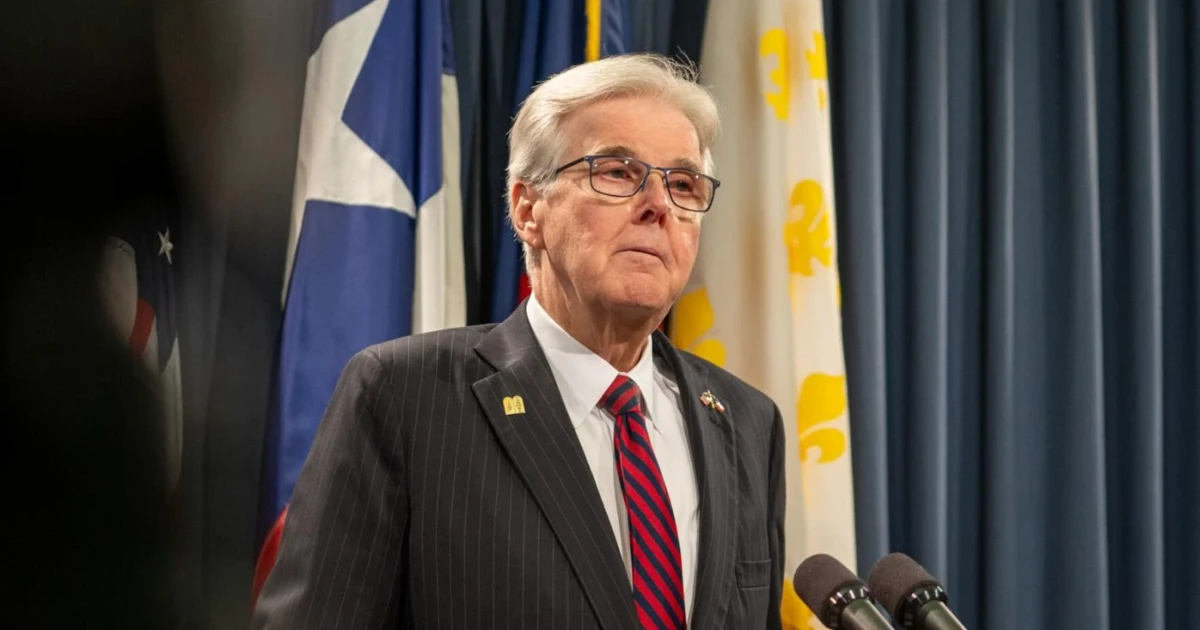
A federal judge dismissed the lawsuit challenging President Donald Trump’s Religious Liberty Commission, a ruling that leaves the panel in place and underscores how hard it can be to attack the structure of a presidential advisory body in court. The decision means critics did not win a judicial order reshaping the commission’s makeup before it could keep operating.
The commission was created by White House action on May 1, 2025, and the White House announced its members and advisory board members later that month. Texas Lt. Gov. Dan Patrick has been identified as the chair, and the panel quickly drew fire from faith and civil-liberties groups that said it was dominated by conservative Christians and lacked a legally required balance of viewpoints.
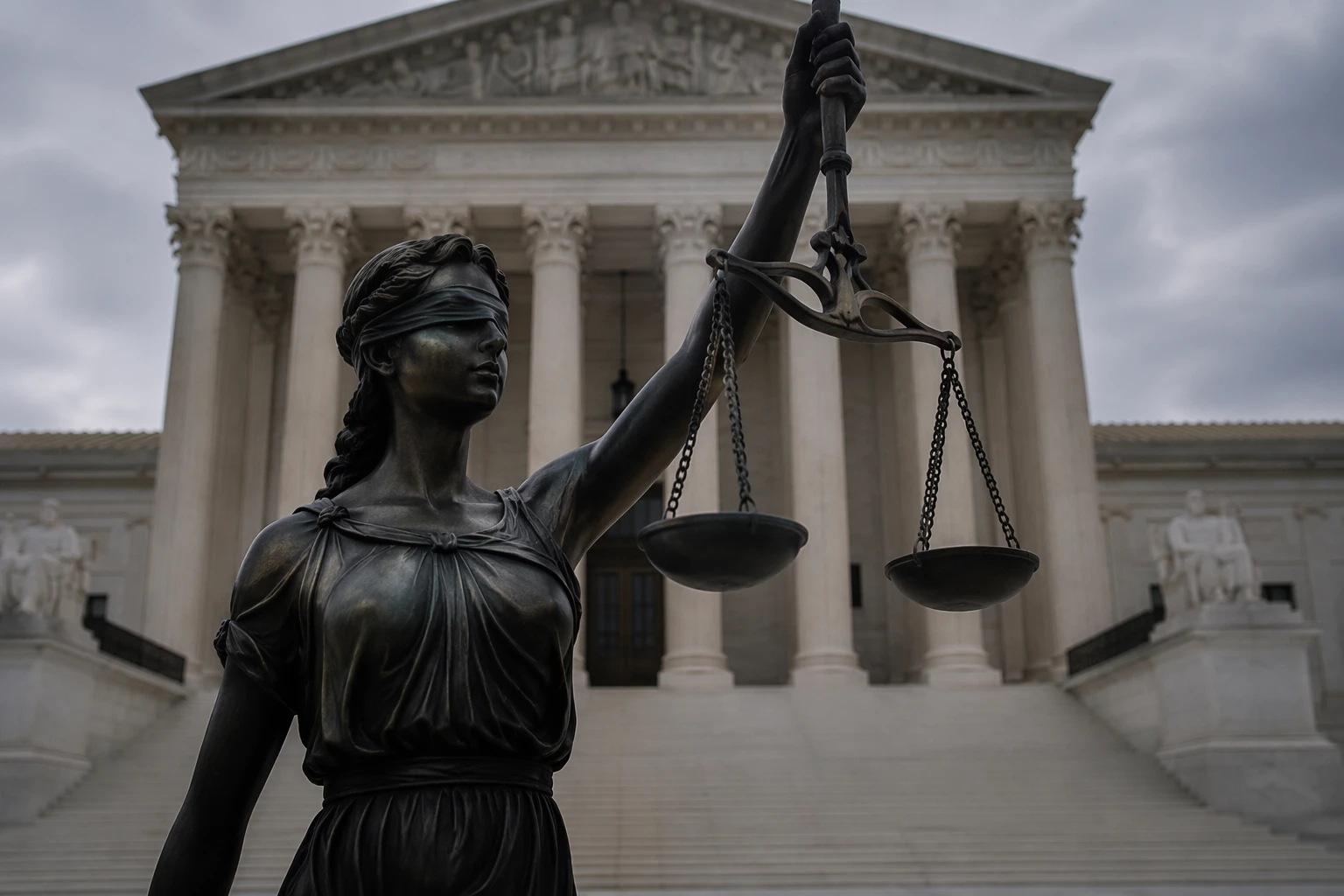
The challenge came from an interfaith coalition in February 2026. Democracy Forward identified the case as The Interfaith Alliance v. Trump, while Americans United said it sued with allies on February 9, 2026, over what it called a biased Religious Liberty Commission. By dismissing the case, the court declined to stop the administration from using the panel as it stands, leaving critics to decide whether to seek review in a higher court or shift their fight back into Congress, the public square and future litigation.
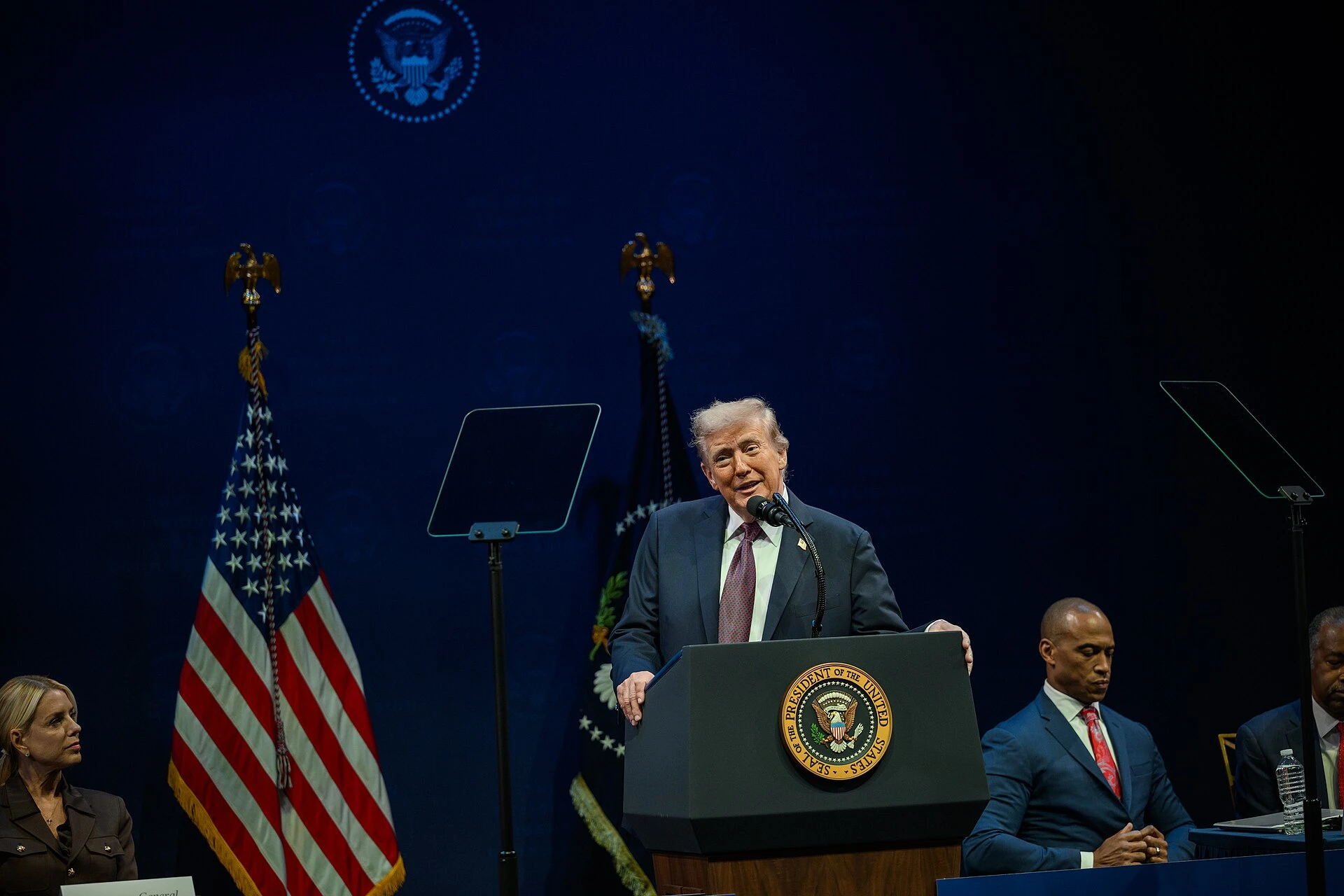
The commission has not been merely ceremonial. Commissioners later pressed a policy agenda that included repealing the Johnson Amendment, creating religious-liberty violation hotlines, posting Know Your Rights materials and establishing presidential religious-freedom awards. On June 26, 2026, members presented recommendations in the Oval Office, a sign that the panel was already being used to generate concrete proposals for federal policy.
The makeup fight has also spilled into internal disputes. NBC News reported that Carrie Prejean Boller was removed from the commission by Dan Patrick in a clash over antisemitism, sharpening questions about who gets a seat at the table and how the administration defines religious liberty. That debate has become central to a broader struggle over separation of church and state, with supporters viewing the commission as a vehicle for protecting religious expression and opponents seeing it as a tilt toward one faith tradition.
Sources
- [1]apnews.com
- [2]whitehouse.gov
- [3]au.org
- [4]democracyforward.org
- [5]nbcnews.com
- [6]ncregister.com
- [7]news.wttw.com