US News
Judge Finds Pentagon in Violation of Press Access Order
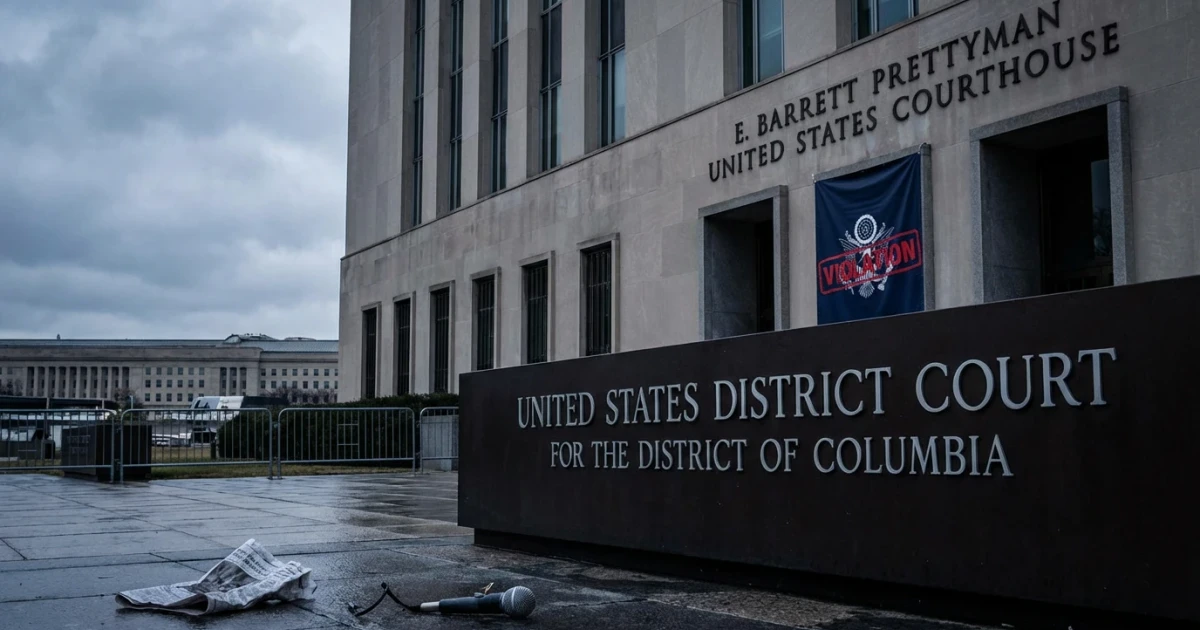
A federal judge has ruled that the Pentagon violated a court order requiring the restoration of press access, intensifying ongoing legal battles over transparency and media rights at the Department of Defense. The ruling, highlighted by The Washington Post, follows months of dispute between the Pentagon and journalists over access to government proceedings and information.
The Court's Decision and Its Implications
According to The Washington Post, the judge issued a decisive ruling after determining that the Pentagon failed to comply with a previous order mandating the restoration of press access. The decision was described as a direct response to the Pentagon's recent attempts to limit media presence and restrict information flow, despite explicit legal requirements for openness in government affairs. This development reinforces the judiciary's role in upholding press freedoms and signals heightened scrutiny of defense agencies' communications practices.
Background: Ongoing Struggle for Press Access
- Journalists and media organizations have repeatedly raised concerns about restricted access to Defense Department briefings and official events.
- Legal experts note that the First Amendment and federal transparency laws set clear expectations for public and press access to government operations. The Open Courts Compendium provides background on these legal access standards.
- The Pentagon’s management of press requests has been scrutinized by oversight bodies, including the Government Accountability Office (GAO), which has recommended improvements to communications policies and press engagement practices.
Legal Context and Transparency Requirements
The case centers on the Pentagon's obligations under court orders and federal transparency laws. Court records, available through the U.S. Courts electronic filing system, detail the sequence of legal actions leading up to the latest ruling. The Department of Defense is also subject to Freedom of Information Act (FOIA) requirements, which mandate the timely release of government documents and facilitate public oversight.
Recent Inspector General reports have highlighted ongoing challenges in the Pentagon’s compliance with FOIA requests, noting delays and incomplete disclosures that further limit press access.
Wider Impacts on Press Freedom
Advocates for press rights argue that the court’s ruling underscores the importance of judicial oversight in protecting the flow of information from government agencies to the public. The case has drawn attention from organizations such as the Reporters Committee for Freedom of the Press, which emphasizes the critical role of the media in holding public institutions accountable.
- The Privacy and Civil Liberties Oversight Board’s 2023 Annual Report also highlights the broader implications of transparency disputes for civil liberties and democratic governance.
Looking Ahead
The judge’s ruling represents a significant check on the Pentagon’s efforts to limit press access and is likely to influence future policy and legal action. Observers expect that the Department of Defense will face increased pressure to comply with court orders and enhance transparency measures in line with established legal standards. Continued oversight from the courts, Congress, and the public remains essential to ensuring that press freedoms are protected and government operations remain open to scrutiny.