Sports
Judge grants Class of 2022 college athletes extra year of NCAA eligibility

A federal injunction in Denver gave high school Class of 2022 athletes a path to a fifth NCAA season, a decision that could immediately reshape roster spots, scholarship accounting and playing time across Division I. U.S. District Judge Charlotte N. Sweeney issued the class-wide preliminary injunction on Friday, July 31, for athletes who had already exhausted four seasons under the old eligibility rules.
The order covers Division I athletes from the Class of 2022 who are caught in the gap before the NCAA’s new age-based model takes full effect. For some players, the ruling could mean one more chance to compete, recover from injuries, finish degrees or improve their professional prospects. For schools, it raises a practical question: whether to keep a roster opening and scholarship money available for returning veterans or reassign those resources to incoming recruits.
That pressure lands at a sensitive moment for college athletics. The NCAA Division I Cabinet unanimously approved the age-based model in 2026, and the organization says the change will be fully implemented for the fall 2027 incoming class. Under the new system, student-athletes who meet initial eligibility requirements and enter college no later than the academic year after their 19th birthday generally will have up to five years of eligibility. The NCAA says the label “5 for 5” is not technically accurate because the new framework is age-based, not a simple blanket grant of five seasons to every player.
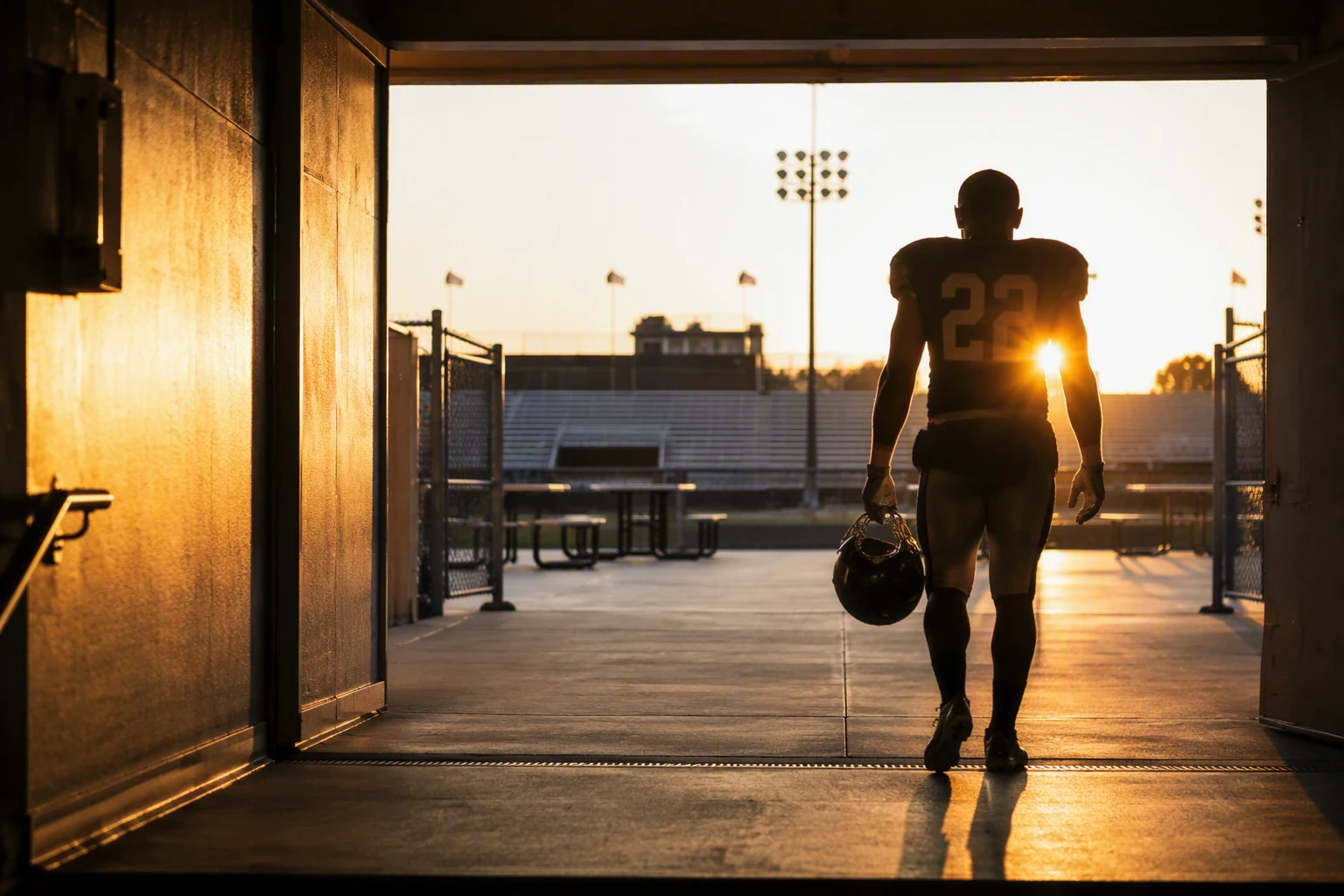
The injunction applies to athletes who entered college before that new system fully replaces the older sport-specific rules and waivers. That puts coaches and compliance staffs in the middle of another round of eligibility planning, with transfer windows, scholarship limits and graduation timelines all potentially shifting. A returning senior can squeeze out a younger player who expected a clear path to minutes, while an additional season can also keep a proven contributor in a lineup long enough to change a team’s ceiling.
Minnesota forward Cade Tyson was among the athletes who filed the federal class action lawsuit that led to the ruling. The NCAA said it plans to appeal, leaving schools to prepare for a possible reversal even as they weigh how to manage next season’s roster and financial commitments.

The order is the latest sign that college sports governance is being shaped as much by litigation as by the NCAA itself. Even a narrow court action can force universities to make immediate administrative decisions, and this one could ripple through recruiting classes well beyond the athletes named in the case.
Sources
- [1]reuters.com
- [2]usatoday.com
- [3]nytimes.com
- [4]ncaa.org