Politics
Judge lets states keep challenging Trump mail-in voting order
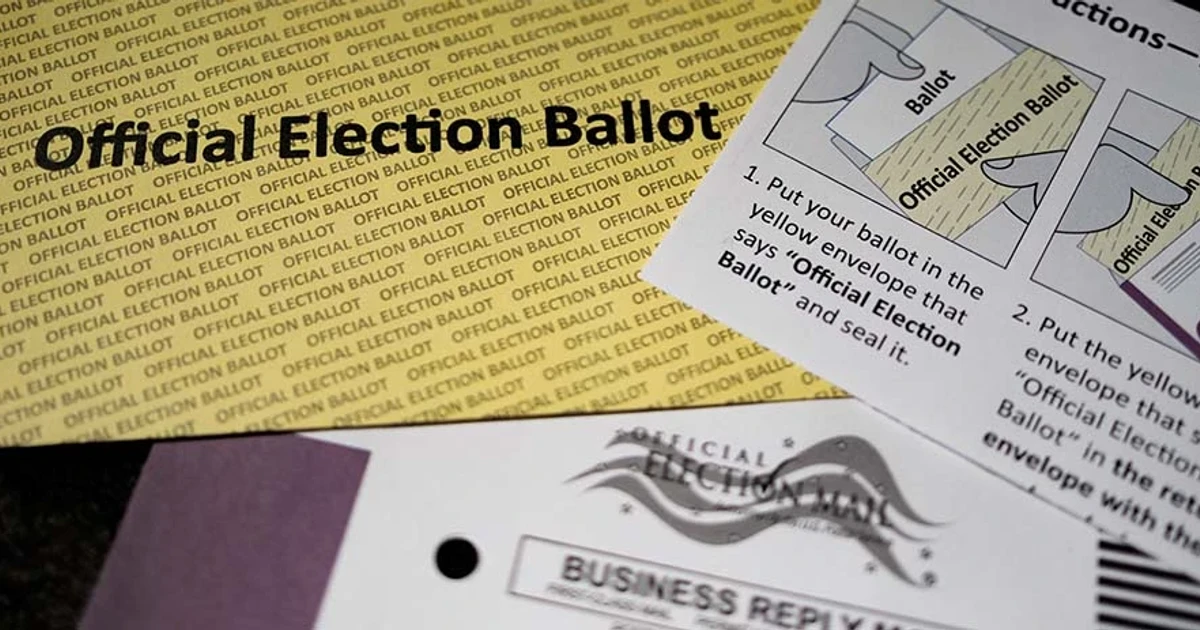
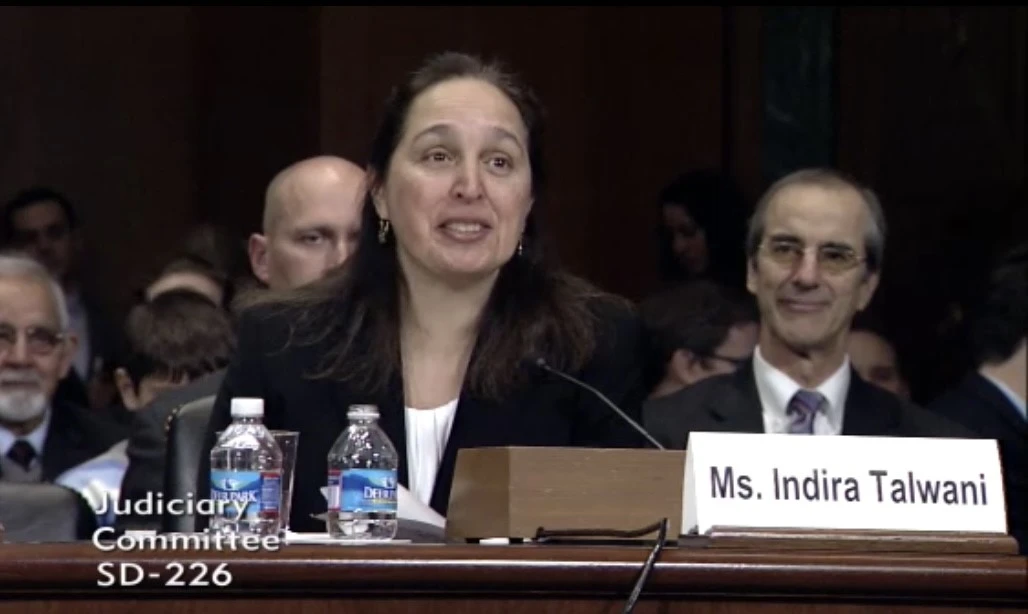
A federal judge in Boston kept the fight over Donald Trump’s mail-in voting order alive, allowing Democratic-led states and voting rights groups to press ahead with lawsuits that could stop the directive before November. The ruling by U.S. District Judge Indira Talwani means the challenge will move through the busiest stretch of campaign season, when state election officials are finalizing ballots, mailing deadlines and voter instructions for the midterm contests that will decide control of Congress.
Talwani ruled on June 18 that the cases could proceed and said the plaintiffs could still seek to block the order before the elections. She allowed the claims aimed at post-midterm elections to be dismissed for now, but left open the possibility of reviving them later. That matters because the order, signed by Trump on March 31, 2026, is not a symbolic statement. It is a bid to change how ballots are handled, verified and mailed in time for a national vote that will depend heavily on state election systems.
The White House says the order directs the Department of Homeland Security, with help from the Social Security Administration, to build state-by-state citizenship lists and instructs the U.S. Postal Service to require secure ballot envelopes and mail ballots only for voters on state-specific lists. Opponents argue that crosses a constitutional line because election administration has long been left to states and Congress, not the president. The lawsuit in Massachusetts was brought by the League of Women Voters of Massachusetts, the League of Women Voters, the Association of Americans Resident Overseas, U.S. Vote Foundation, OCA - Asian Pacific American Advocates and Delta Sigma Theta Sorority Inc., while a separate coalition of 23 states and the District of Columbia also joined the broader challenge.
The practical stakes are high because mail voting is now a major part of American elections. The Postal Service said it delivered at least 99.22 million ballots during the 2024 general election period and got 99.88% of ballots to election officials within seven days. Election groups have found that about 31% of Americans voted by mail in 2024, more than 48 million ballots, and nearly 60% voted either early or by mail. Any federal rule that narrows who can send or receive a ballot could ripple through absentee deadlines, local verification procedures and access for voters who rely on the mail to cast a timely vote.
The ruling does not settle whether Trump’s order is lawful, but it does signal that the courts are willing to examine it before the midterms rather than after. That timing matters for state officials racing to prepare election systems and for a White House that wants to impose new federal constraints on a process still run largely by the states.
Sources
- [1]usnews.com
- [2]wgbh.org
- [3]brennancenter.org
- [4]whitehouse.gov
- [5]about.usps.com
- [6]statesunited.org
- [7]cbsnews.com