US News
Judge orders national parks to restore slavery, climate change signs
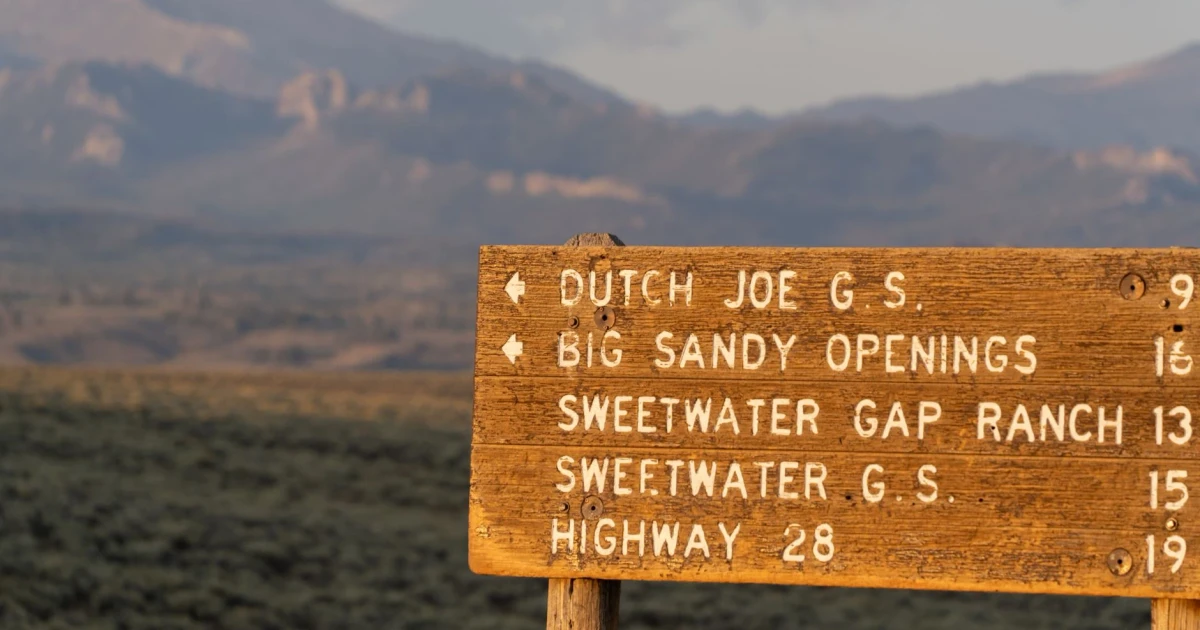
A federal judge in Boston ordered the Trump administration to put back exhibits and signs removed from national parks and monuments, turning a dispute over plaques and interpretive panels into a larger battle over who gets to define American history in public spaces. U.S. District Judge Angel Kelley issued a preliminary injunction on June 12, 2026, and said the government must restore the material within 21 days while filing an update within five days and then every week after that.
The lawsuit was filed by a coalition led by the National Parks Conservation Association and joined by the American Association for State and Local History, the Association of National Park Rangers, the Coalition to Protect America’s Parks, the Society for Experiential Graphic Design and the Union of Concerned Scientists. The coalition said the Interior Department removed dozens of signs at 433 national park sites without authorization under federal laws that govern park interpretation, including the National Park Service Organic Act, the National Park Service Centennial Act and the National Parks Omnibus Management Act.
The case reached the court after a March 2025 Trump directive targeted what the president called a "revisionist movement" and said parks should not display material that inappropriately disparaged Americans. Interior Secretary Doug Burgum followed with a May 20, 2025 order that launched implementation inside the National Park Service. By summer 2025, park staff had begun removing material, and by January 2026 interpretive signs were being removed or flagged for removal across the system.
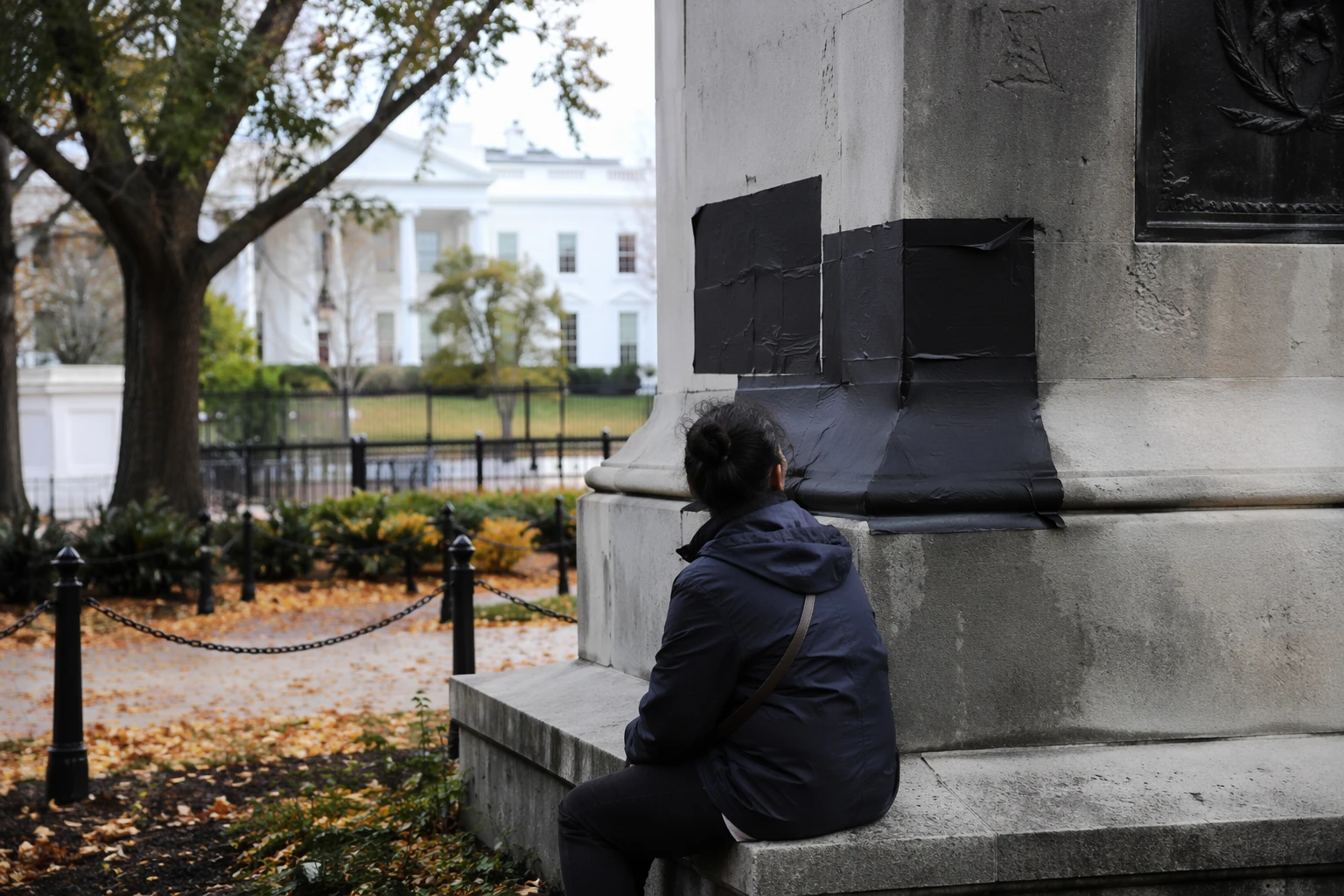
The challenged content included exhibits and signage on slavery, civil rights, Indigenous history, climate science, women’s rights and LGBTQ+ history. Among the sites identified in reporting were the President’s House Site at Independence National Historical Park in Philadelphia, where an exhibit described the paradox of slavery and freedom in the founding era and George Washington’s ownership of enslaved people, along with Fort Sumter in South Carolina, Grand Canyon National Park in Arizona, Muir Woods in California, Acadia National Park in Maine, Lowell National Historical Park in Massachusetts and Jamaica Bay Wildlife Refuge in New York.
Kelley said the removals created a "dangerous precedent of censorship and sanitization," a rebuke that goes to the heart of the case: whether the federal government can scrub difficult truths from the places Americans visit to understand their past. The Interior Department said it was reviewing whether to appeal and called Kelley a "liberal activist judge," while preservation and historical groups hailed the ruling as a check on historical revisionism.
Sources
- [1]news.google.com
- [2]usnews.com
- [3]fox4news.com
- [4]npca.org
- [5]democracyforward.org
- [6]nbcnews.com