US News
Judge orders release of key witness in Texas ICE shooting case
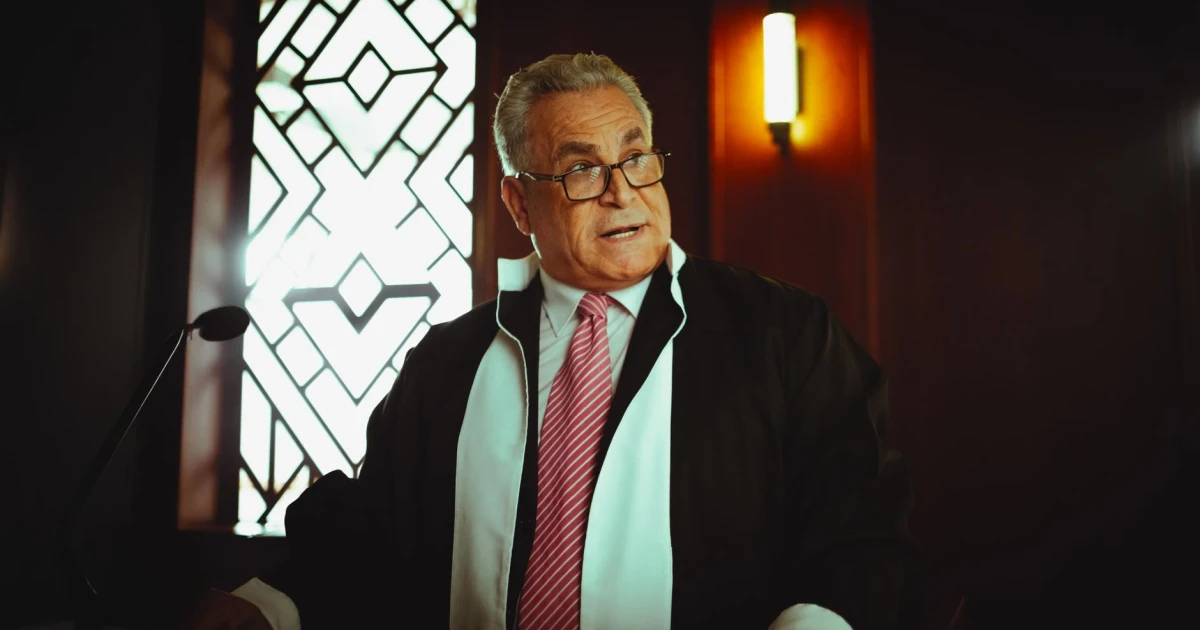
U.S. District Judge Keith P. Ellison ordered immigration authorities to release José Trinidad Rojas Pliego within 48 hours, putting a federal court directly between ICE detention and a witness tied to the Houston shooting death of Lorenzo Salgado Araujo.
The order followed Ellison’s earlier decision to temporarily block the Trump administration from deporting Rojas Pliego while the case was pending. Court filings described Rojas Pliego as a man with no criminal record, and lawyers had been seeking the release of the detained men connected to the case. By granting the habeas petition, Ellison signaled that continued custody was not justified at this stage, or that Rojas Pliego’s testimony could be preserved without keeping him locked up.
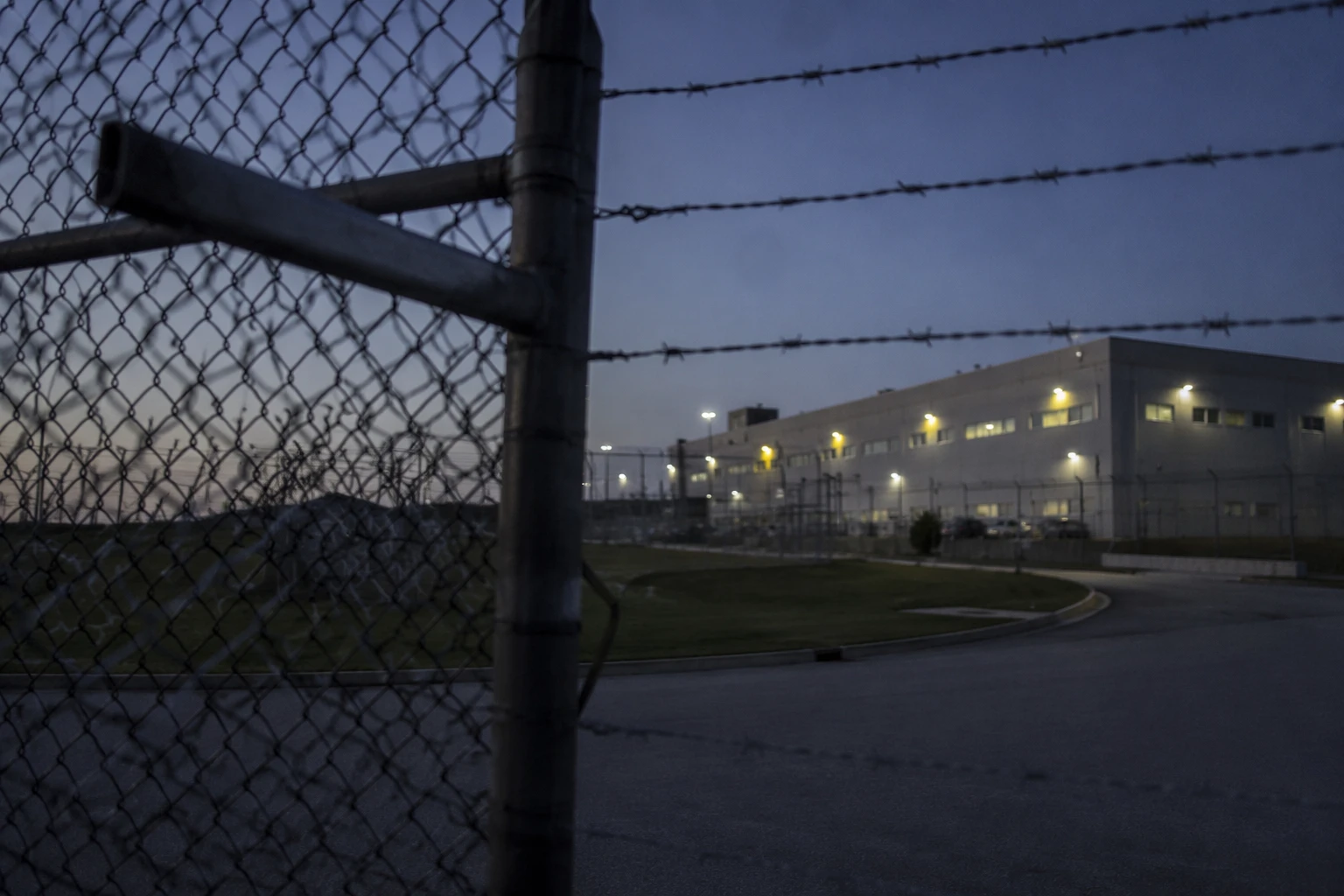
The legal fight sits inside a larger clash between immigration enforcement and the integrity of a criminal investigation. Rojas Pliego was identified as one of three passengers in the van that Lorenzo Salgado Araujo was driving when he was shot and killed by an ICE officer during an enforcement operation in Houston on Tuesday, July 7, 2026. The van incident unfolded in Magnolia Park, in Houston’s East End, where the killing quickly became both a criminal case and an immigration case.
That overlap is what gave the release order its force. If a witness can be detained, transferred or deported before investigators and defense lawyers have a chance to question him, the truth-finding process can be distorted before a courtroom ever hears the evidence. Ellison’s ruling put the judge, not immigration officials, in control of whether a key witness would remain available for proceedings tied to the shooting.
Rep. Sylvia Garcia publicly said a Houston federal judge had ordered ICE to release José Trinidad Rojas Pliego, underscoring the political attention the case has drawn in Texas. Around the shooting site, a growing memorial marked the grief left by Salgado Araujo’s death, while the legal process moved ahead in federal court with the stakes unusually high for both witness access and due process.