Politics
Judge orders Trump administration to restore national park sites changed by order
A federal judge in Massachusetts has ordered the Trump administration to restore national park materials changed under an executive order that targeted content officials said “inappropriately disparage Americans past or living.” The ruling puts the fight over park language at the center of a broader clash over who controls the national story told at public historic sites: courts, presidents, or the professional stewards charged with preserving public memory.
U.S. District Judge Angel Kelley issued the preliminary injunction on June 13 and said the plaintiffs had shown the effort was meant to rewrite history with a “white-out pen.” She also paused any further changes while the case moves ahead and required weekly status updates on the restoration work, treating the dispute as an active compliance issue rather than a symbolic disagreement.
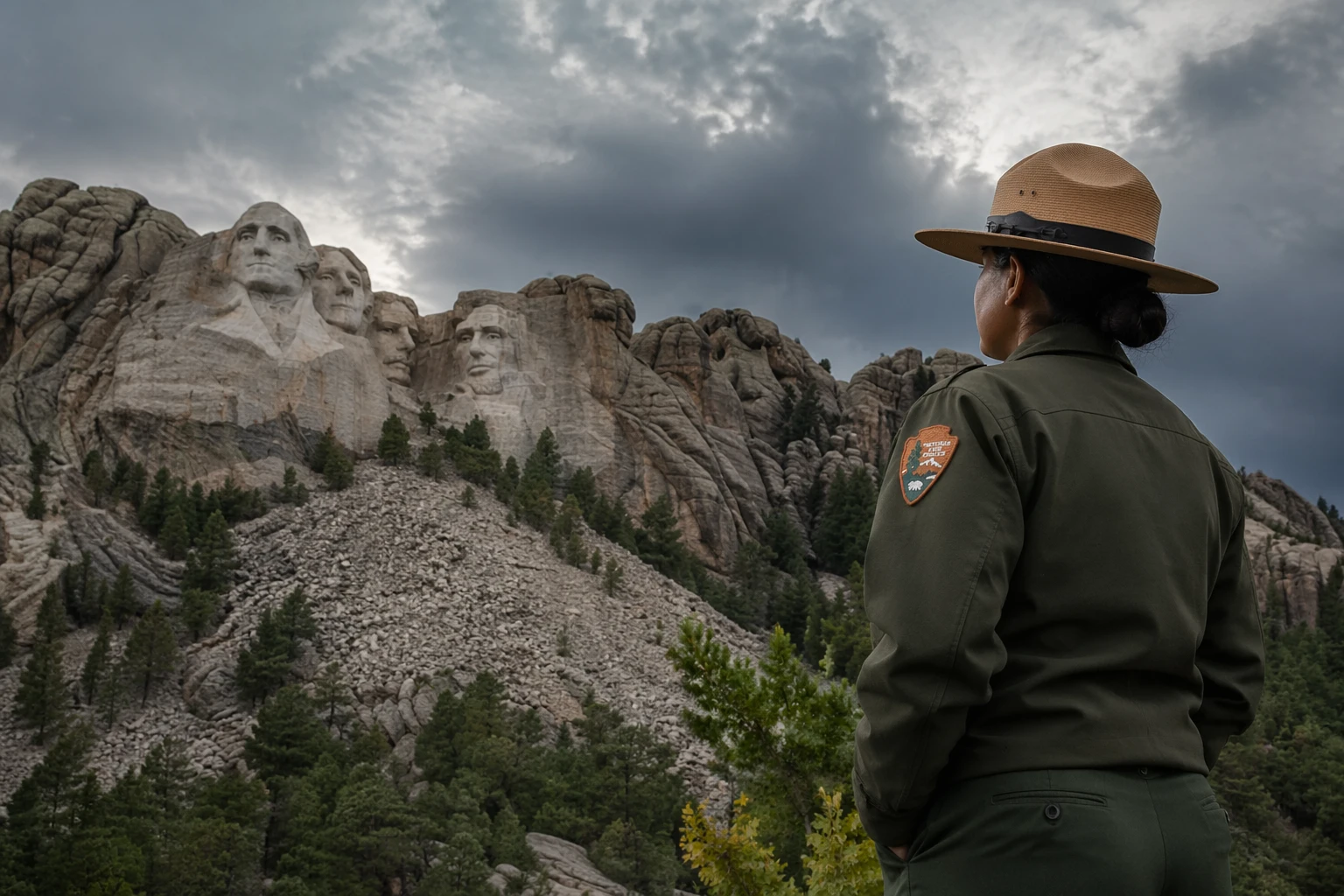
The case was filed in Boston in February by conservation and historical organizations including the National Parks Conservation Association, the American Association for State and Local History, the Association of National Park Rangers and Democracy Forward. Their lawsuit challenged Trump’s “Restoring Truth and Sanity to American History” executive order and a later Interior Department directive that, the complaint said, told Park Service staff to identify and report “disfavored information.”

The changes have already reached multiple sites with widely different histories. At Philadelphia’s Independence National Historical Park, the administration removed exhibits about nine people who were enslaved there in the 1790s under George Washington. At Sunset Crater Volcano National Monument in Arizona, a sign describing basalt bubbles was removed because it included an image of a visitor holding a Pride flag. At Lowell National Historical Park in Massachusetts, films on labor history were pulled.
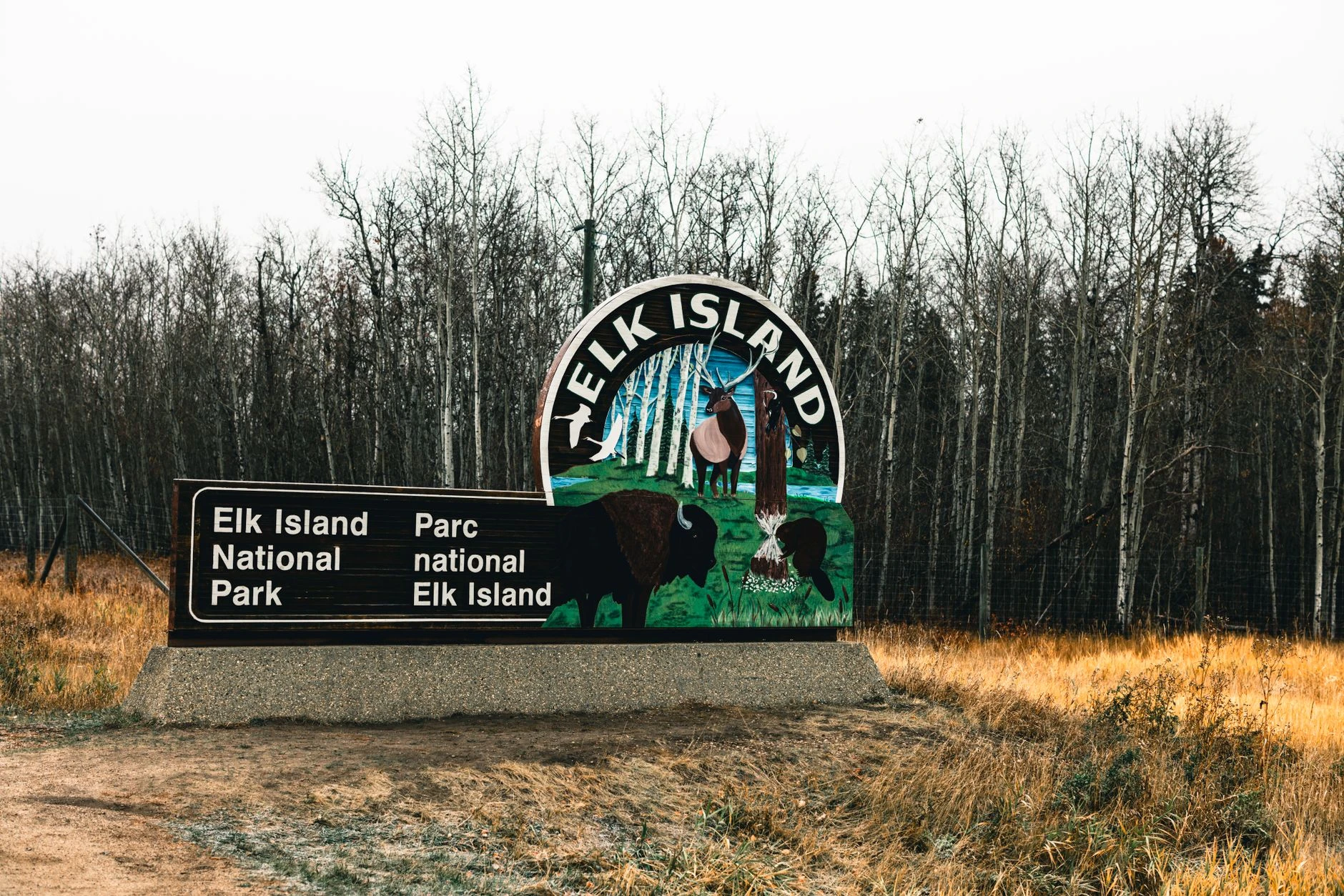
The dispute matters far beyond one agency’s internal edit. Massachusetts is home to 18 National Park Service sites, and the National Park Service logged about 323 million visits at more than 400 sites last year. A watchdog effort, Save Our Signs, has documented at least 59 signs that were removed or modified, including materials referring to slavery, climate change, women’s rights, Native American history and conservation.

The backlash has been substantial. An Associated Press review of 35,000 public comments found that more than half criticized the administration’s effort, with commenters calling it “un-American” and accusing officials of trying to erase history. As the country moves closer to its 250th anniversary, the ruling underscores a central civic question: whether public parks will present a fuller account of the past, or a politically narrowed one.
Sources
- [1]usnews.com
- [2]cnbc.com
- [3]boston.com
- [4]abcnews.com
- [5]nationalparkstraveler.org
- [6]cbsnews.com
- [7]democracyforward.org