US News
Judge Orders Trump Name Removed from Kennedy Center
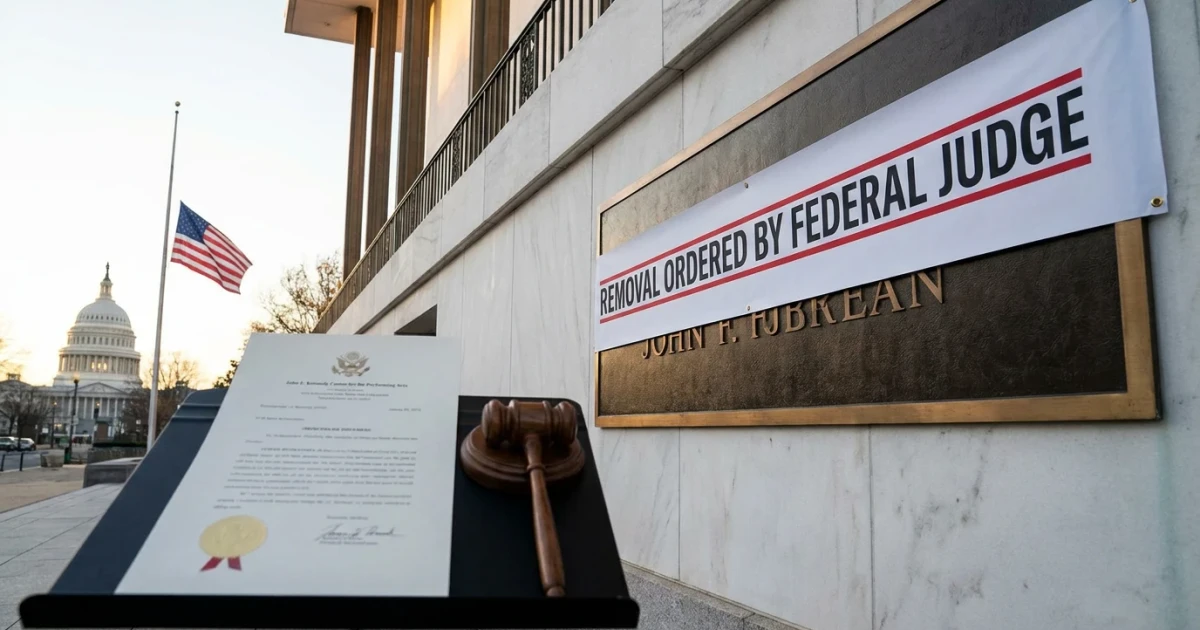
The Kennedy Center board’s decision to add Donald Trump’s name to the iconic performing arts venue has been overturned by a federal judge, who ruled Wednesday that the board violated federal law. The judge’s order not only mandates the removal of Trump’s name from the building but also blocks the board’s attempt to close the Center, ensuring its continued operation.
Legal Ruling Halts Board Actions
The announcement, first reported by AP News, comes after months of controversy surrounding the Kennedy Center board’s move to rename the building and pursue closure. According to the ruling, the board failed to comply with statutory requirements governing changes to the Center’s official designation. The judge determined that federal law, as outlined in the Omnibus Appropriations Act of 1999, stipulates strict procedures for naming rights and operational decisions.
The Kennedy Center operates under a unique federal mandate. Its Board of Trustees is bound by statutes that limit its authority to alter the Center’s name or close the institution without congressional approval. The judge’s written opinion referenced these statutes, concluding that the board’s unilateral action broke federal law.
Immediate Impact and Next Steps
As a result of the court’s decision, the Kennedy Center must revert to its original name and continue its public programming. The ruling has immediate implications:
- Trump’s name will be removed from all signage and official materials.
- The planned closure of the Center is suspended, preserving ongoing performances and community events.
- The board is required to comply with federal naming and closure procedures, including public notice and congressional oversight.
Federal law governing the Center’s operations is detailed in the National Archives statutory authority database, which affirms that naming rights and closure require more than board approval.
Oversight and Compliance Concerns
The ruling highlights longstanding oversight issues at the Kennedy Center. A Government Accountability Office (GAO) report previously identified gaps in compliance and board transparency, urging stricter adherence to legal mandates. Financial data from the Center’s annual reports shows continued reliance on federal funding and underscores the need for lawful governance.
The judge’s decision is seen as a reaffirmation of the Center’s federal status and the importance of following legal procedures for major actions. The official court docket, available at US Courts records, details the legal arguments and final ruling.
Analysis and Outlook
Legal and arts observers note that this ruling could set a precedent for other federally governed cultural institutions. The Kennedy Center’s mission—to serve as the national performing arts hub—remains secure for now. The controversy over naming underscores the Center’s symbolic status and the delicate balance between political influence and cultural stewardship.
With the board’s actions reversed, attention now turns to how the Trustees will restore public trust and ensure compliance going forward. Additional oversight and congressional involvement are likely, as similar governance disputes may arise in the future.
For those interested in the details of the Center’s legal framework, its federal statutes and board records are available for public review. As the Kennedy Center resumes normal operations, the arts community and the public will be watching closely to see how the landmark institution upholds its national role.