Politics
Judge quashes subpoenas in Minnesota immigration crackdown probe
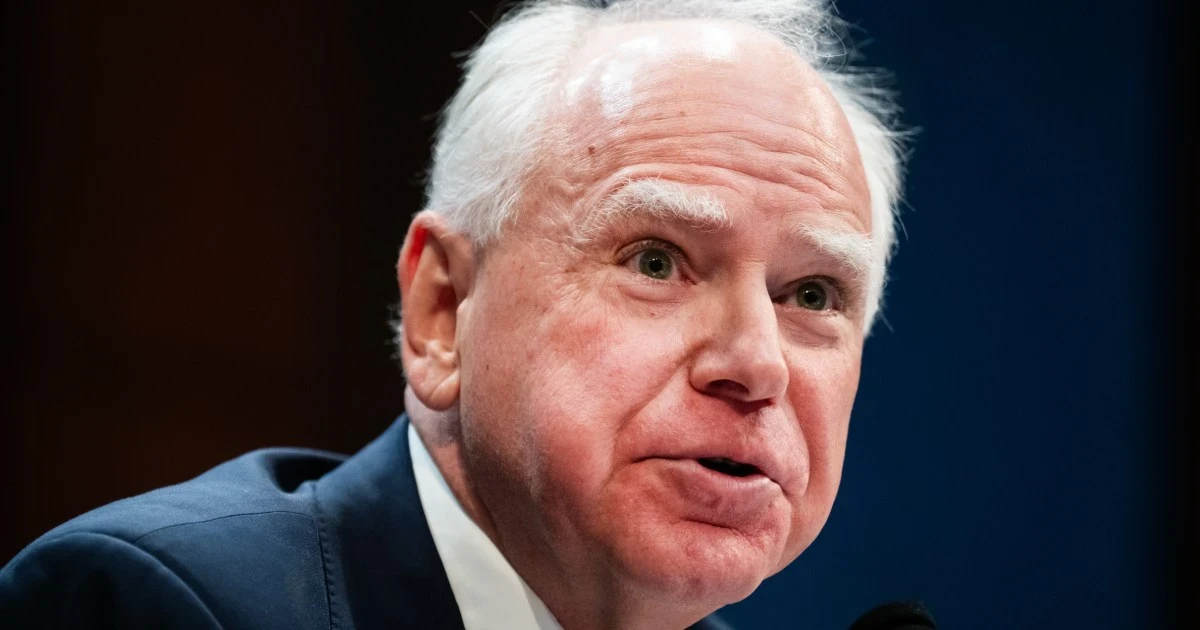
A federal judge has knocked out six Justice Department subpoenas aimed at Minnesota’s top elected leaders, finding that the criminal grand jury inquiry into immigration enforcement crossed the line into political retaliation. U.S. District Chief Judge Patrick Schiltz ruled that subpoenas targeting Gov. Tim Walz, Attorney General Keith Ellison, Minneapolis Mayor Jacob Frey and other Minnesota officials were politically motivated, unconstitutional and without merit.
Schiltz said the evidence that the subpoenas were issued for unlawful reasons was overwhelming. In his order, he concluded that the dominant purpose was not a legitimate criminal inquiry, but to pressure Minnesota officials into helping enforce civil immigration law and to retaliate against them for refusing to cooperate with Operation Metro Surge, the federal crackdown that began in late 2025.
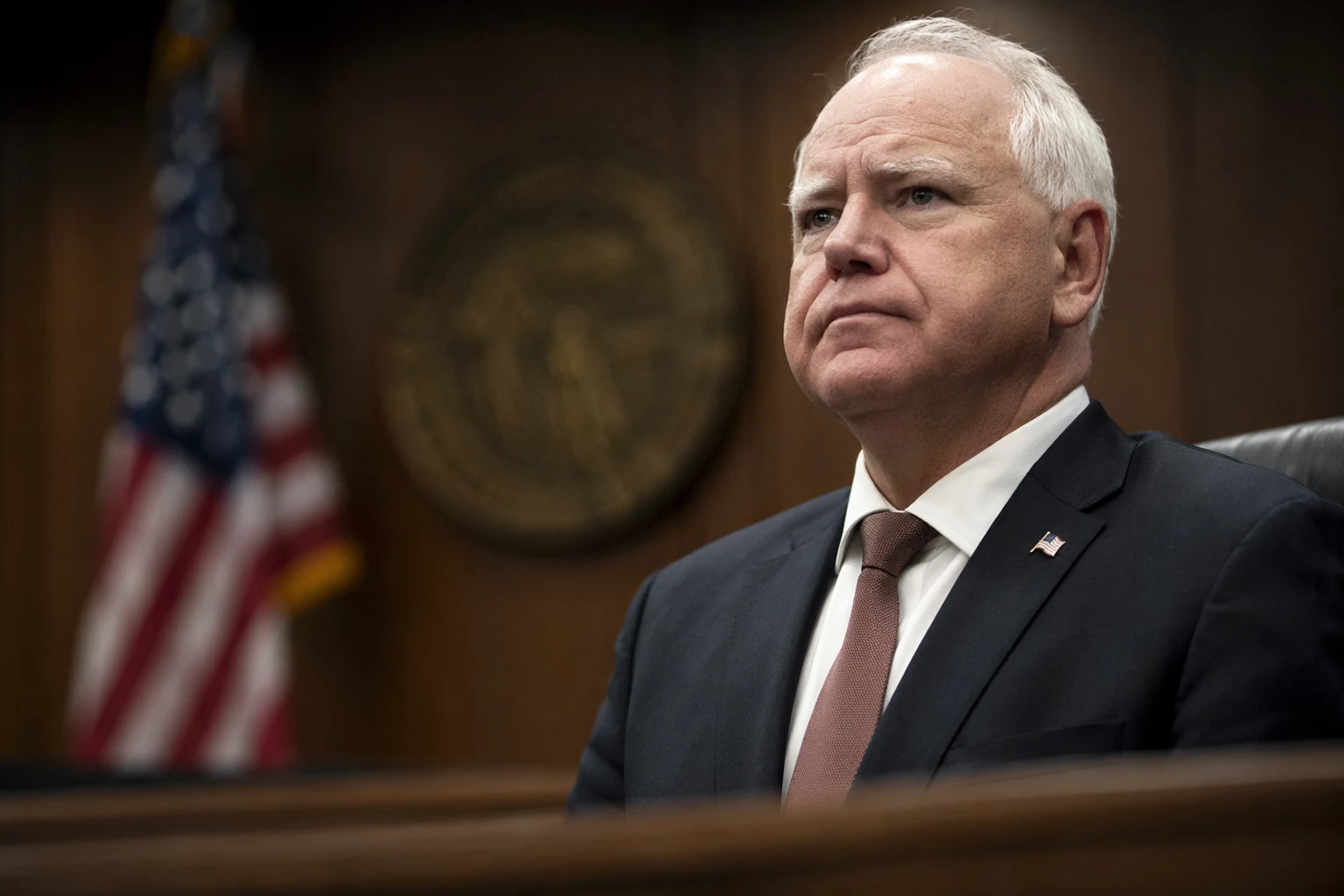
The subpoenas were issued in January 2026, at the height of that enforcement push, after Minnesota officials moved to resist federal immigration demands. Schiltz said the Justice Department’s legal theory was extremely weak to nonexistent and described the use of the grand jury process as unlawful and unethical. The ruling said the subpoenas were meant to coerce state and local leaders into assisting with immigration enforcement and to harass them for declining to do so.
The decision is a sharp setback for the Justice Department’s investigation, which sought to determine whether Minnesota leaders impeded federal immigration enforcement. It also adds to a broader confrontation between Minnesota and the Trump administration, which has separately pursued the state in court and through complaints over affirmative action policy, climate policy and other issues the White House has framed as state overreach.
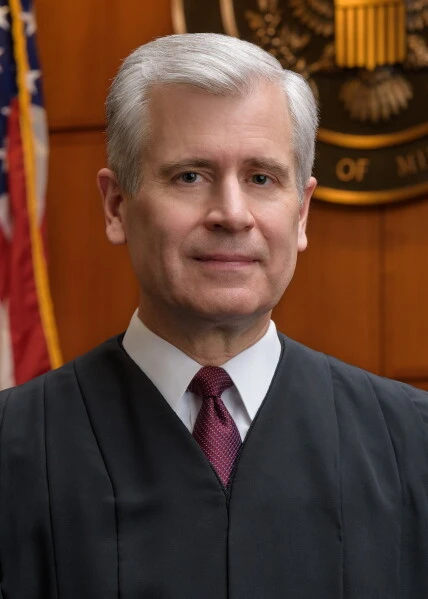
Schiltz, a George W. Bush appointee, issued the ruling Monday in the U.S. District Court for the District of Minnesota. The decision arrives as the Minnesota U.S. Attorney’s Office faces heightened scrutiny over politically charged federal cases, including immigration disputes that have sharpened the clash between state sovereignty and federal power. With the subpoenas quashed, the court drew a clear boundary around how far prosecutors can go when criminal tools are used in a fight over policy and politics.
Sources
- [1]nbcnews.com
- [2]m.startribune.com
- [3]politico.com
- [4]usatoday.com
- [5]usnews.com
- [6]cbsnews.com
- [7]minnesotareformer.com