Politics
Judge quashes Trump subpoenas to Minnesota officials as retaliatory and unlawful
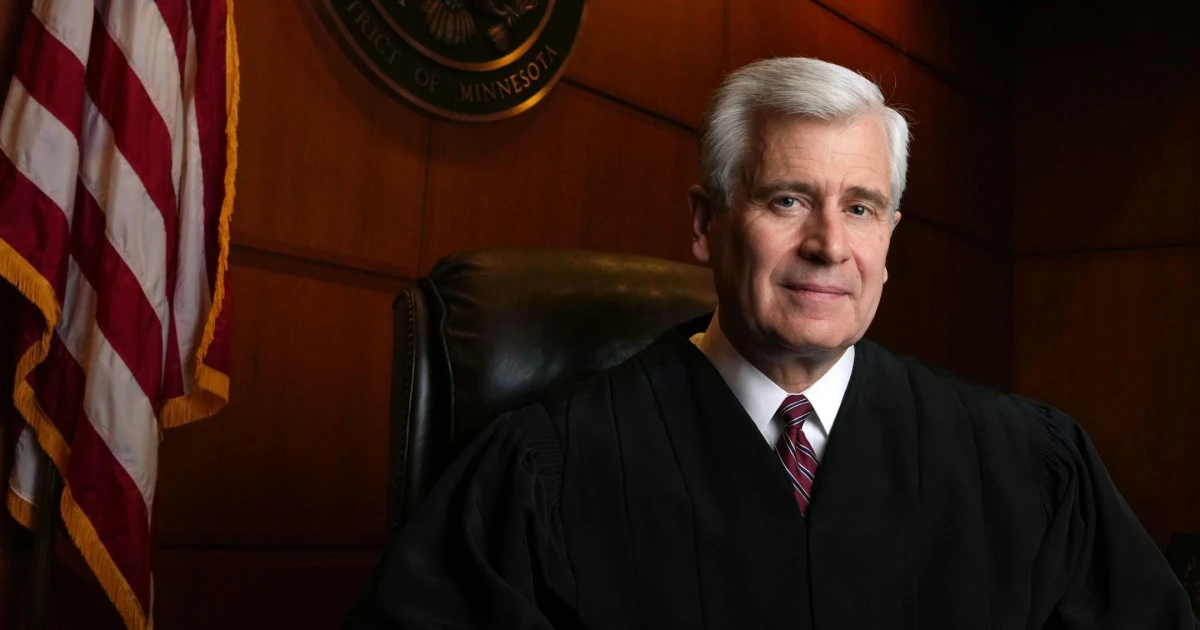
Chief Judge Patrick J. Schiltz quashed six grand jury subpoenas aimed at Minnesota’s top state and local offices, ruling that the Trump administration used the criminal process for retaliation rather than any legitimate investigation. In a June 17 order in the U.S. District Court for the District of Minnesota, Schiltz said the evidence of an unlawful motive was “overwhelming” and that the government could not identify a single plausible investigatory justification.
The subpoenas had been served on January 20, 2026, and sought broad categories of office records dating back to January 1, 2025. They targeted the offices of Gov. Tim Walz, Minneapolis Mayor Jacob Frey, St. Paul Mayor Kaohly Her, Attorney General Keith Ellison, the Ramsey County Board of Commissioners and the Hennepin County Board of Commissioners. Officials said the records request covered documents and communications tied to enforcement of federal immigration laws and cooperation with federal authorities.
The fight grew out of the Trump administration’s immigration crackdown in the Minneapolis-St. Paul area, where a major federal enforcement operation prompted public resistance from Minnesota leaders. Walz and Ellison had already accused the administration of political retaliation after federal agents shot and killed a Minnesotan during the enforcement surge. Walz called the probe “politically motivated, unconstitutional, and meritless,” while Ellison described it as “highly irregular” and said the Justice Department was weaponizing the legal system against officials who stood up to Trump. Her said she was “unfazed” and would not be intimidated.
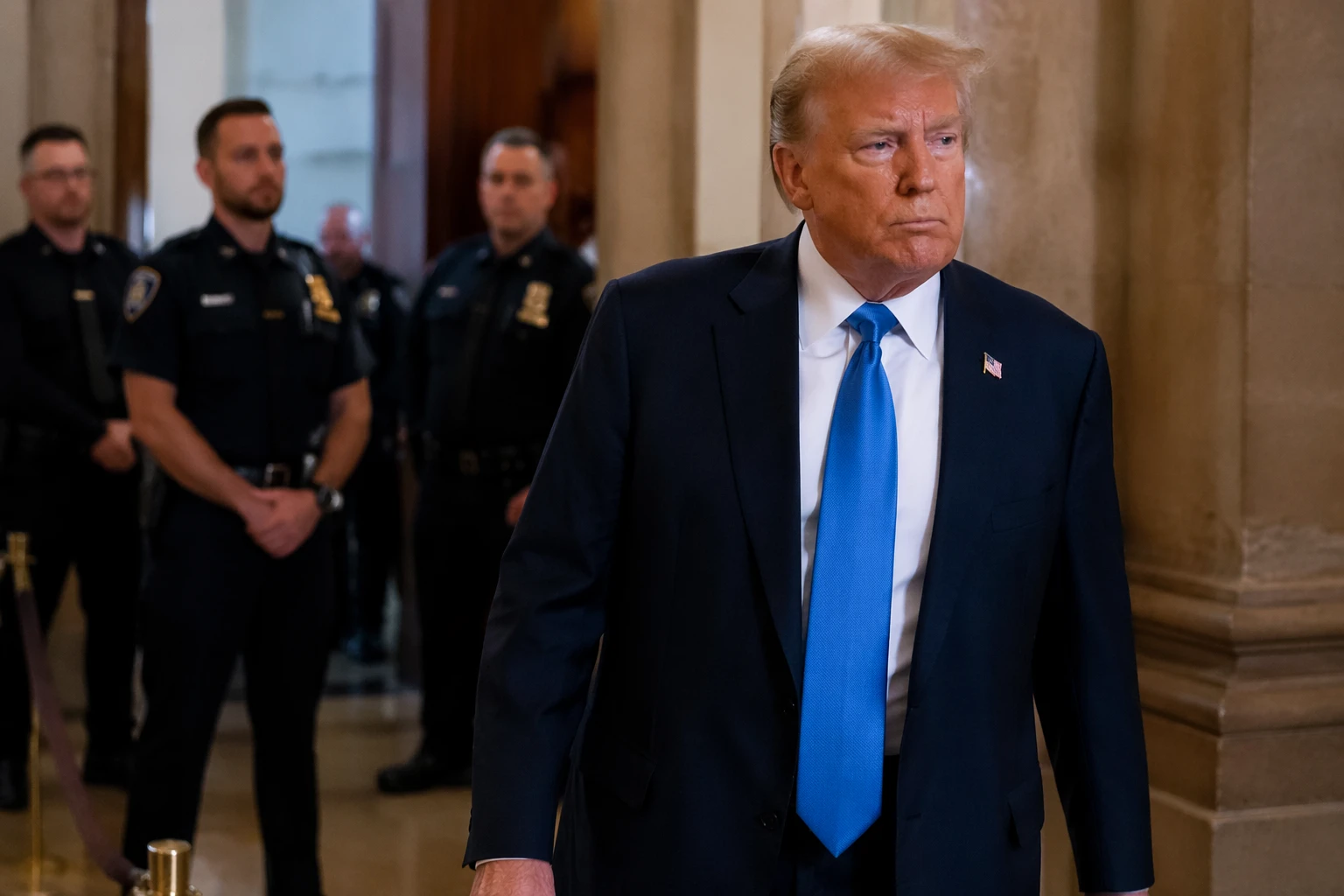
Schiltz’s ruling goes beyond the six subpoenas themselves. By finding that the government failed to show a genuine investigatory purpose, he drew a line between lawful grand jury powers and an effort to use those powers to coerce state and local leaders into helping enforce civil immigration law. The order said the subpoenas were part of an unconstitutional attempt to pressure Minnesota officials and punish them for refusing to cooperate.
That makes the case significant far beyond Minnesota. It tests how far a presidential administration can go in using criminal process against state officials who resist federal immigration demands, and it sets up a sharper warning for future efforts to turn subpoenas into instruments of political leverage. For state and local governments, the ruling reinforces a basic democratic boundary: federal power cannot be used as retaliation for dissent, nor as a shortcut around the limits of executive authority.
Sources
- [1]cbsnews.com
- [2]wdio.com
- [3]kare11.com
- [4]thehill.com