Politics
Judge to block DOJ subpoenas for transgender patients’ medical records
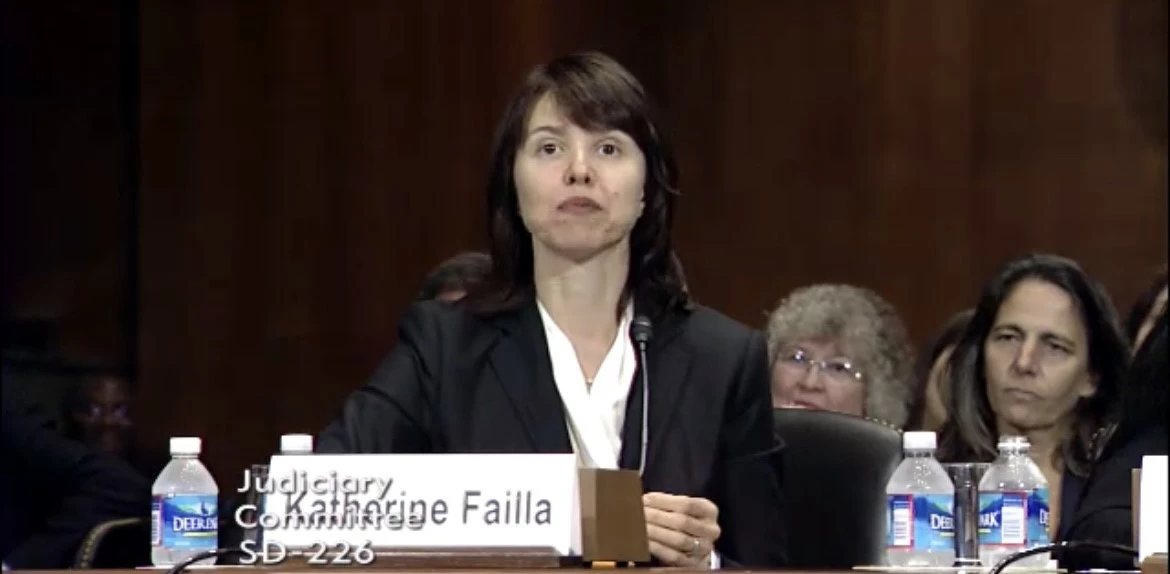
A federal judge in Manhattan said she would block the Justice Department from using grand jury subpoenas to obtain medical records of transgender patients who received gender-affirming care as minors from New York City health-care providers. Katherine Polk Failla, of the U.S. District Court for the Southern District of New York, said she would issue a temporary restraining order while the case moves forward, putting the government’s investigative power in direct conflict with patient privacy and the confidentiality of highly sensitive medical information.
The case grew out of a class-action lawsuit filed June 1 and June 2 by Lambda Legal, the American Civil Liberties Union and the New York Civil Liberties Union on behalf of three New York families with adolescent transgender children and two transgender young adults. The proposed class covers people who received gender-affirming care at New York City health-care institutions from January 1, 2020, through May 5, 2026. The complaint says the subpoenas sought the identities and sensitive health information of patients who had received care as minors.
NYU Langone Hospitals received one of the subpoenas on May 7, 2026, from the U.S. Attorney’s Office in the Northern District of Texas. The request called for seventeen broad categories of records and set a production deadline of June 10, 2026. The filing says the demand was part of a broader federal push that plaintiffs say is aimed at finding transgender youth and their parents, and at collecting records tied to care the administration has tried to restrict.
The dispute now stands as an early test of how far federal prosecutors can go in seeking private health records in politically charged investigations. Lambda Legal and the ACLU have said the Justice Department has issued similar demands to more than twenty health-care institutions across the country, a campaign that has already led some hospitals to stop offering youth gender-affirming care or to narrow services under separate federal pressure. Hospitals nationwide will be watching the Southern District of New York case closely, because Failla’s restraining order suggests the court sees a serious privacy claim even before the merits are decided.
Sources
- [1]usnews.com
- [2]lambdalegal.org
- [3]aclu.org
- [4]assets.aclu.org
- [5]nyclu.org
- [6]news.bloomberglaw.com