Business
Judge urges faster refund of illegal tariffs to small importers
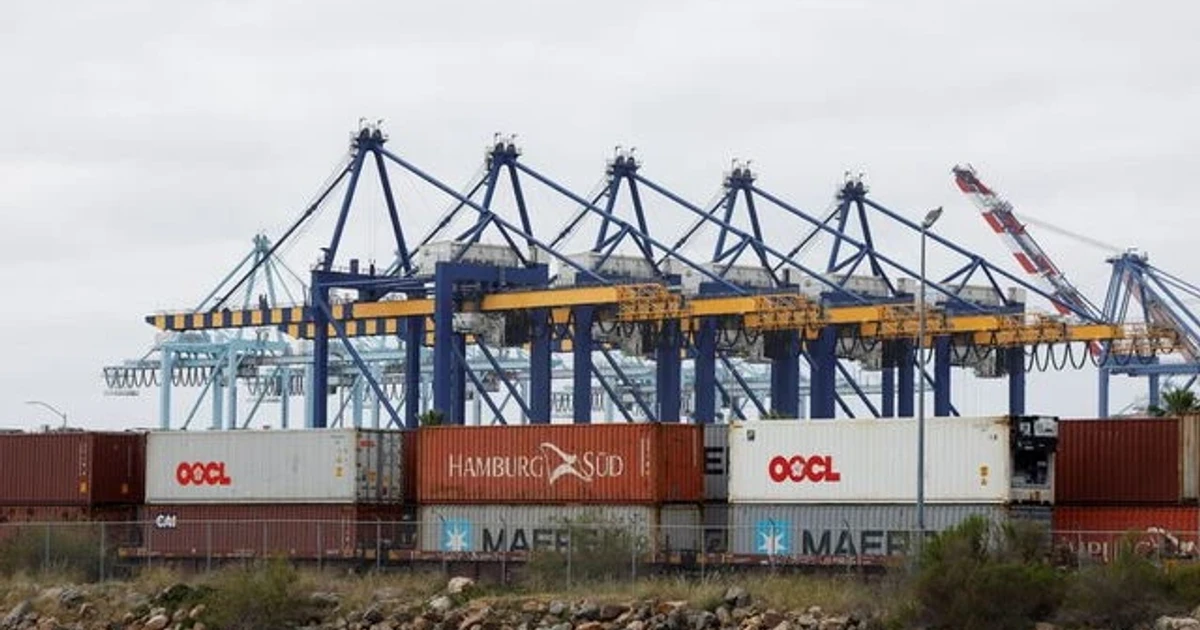
Billions collected under tariffs the Supreme Court later found illegal were still moving slowly back to importers as Judge Richard Eaton pressed the Trump administration to speed refunds for smaller firms that lack customs brokers. In Manhattan, Eaton said the delay was creating a “growing inequity” between large importers and smaller businesses, and warned that the refund process was leaving some companies waiting while others were better positioned to navigate the system.
The dispute stems from the Supreme Court’s February 20 ruling in Learning Resources, Inc. v. Trump and Trump v. V.O.S. Selections, Inc., which held that the International Emergency Economic Powers Act did not authorize the president to impose tariffs. Eaton followed with a March 4 refund order in Atmus Filtration, Inc. v. United States, directing Customs and Border Protection to liquidate unliquidated entries without the IEEPA duties and to reliquidate entries that had not yet become final.

At the June 9 hearing, Eaton stopped short of issuing a fresh order to force payments, but he made plain that the legal fight had shifted into a question of execution. In a June 3 letter, he wrote that “all of the substantive law in this case has either been decided by the Supreme Court, or is the subject of settled law,” and said what remained were effectively settlement negotiations. He also said: “Time has come to refund all the duties.”
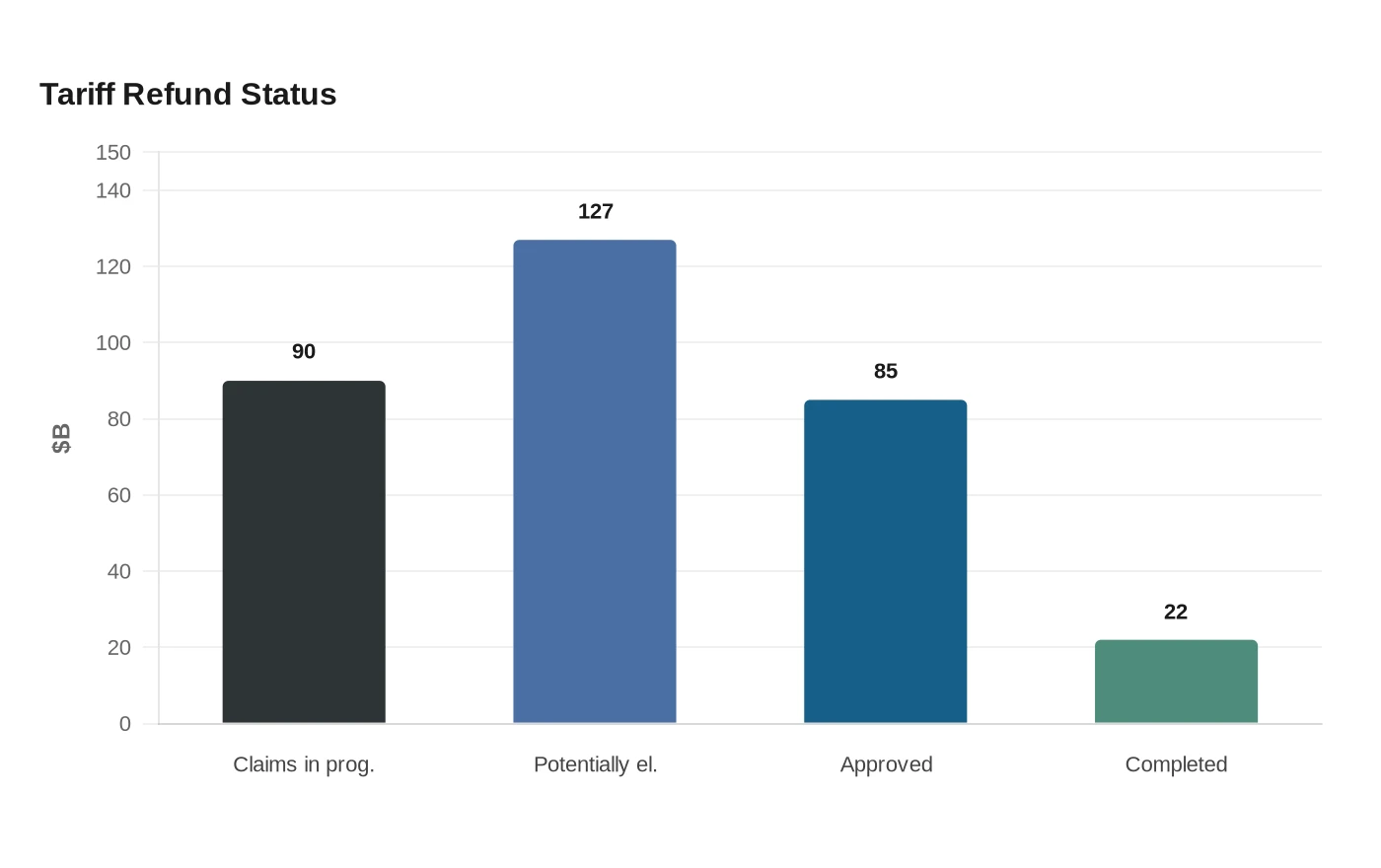
The pace of repayment is now central to the case. Customs and Border Protection said it had accepted and begun processing nearly $90 billion in Phase 1 claims, with as much as $127 billion potentially eligible. As of May 22, government filings said more than $85 billion in repayments had been approved. CNBC reported that $22 billion in refunds had already been completed and sent to the Treasury for distribution.

CBP launched the first phase of its CAPE refund tool on April 20, limiting it to certain unliquidated entries and certain entries within 80 days of liquidation. The agency says CAPE is meant to consolidate IEEPA refunds inside the ACE Portal, with declarations filed in CSV format and capped at 9,999 entries each. Eaton said he did not believe the administration was deliberately favoring big importers, but the practical effect is that firms with more resources can move faster through a system that was supposed to restore money the government should not have collected in the first place.
The administration filed its appeal on June 2, arguing that the court lacked authority to mandate universal refunds, especially for finally liquidated entries. The longer the case drags on, the more the refund machinery itself risks becoming a second penalty on businesses that already paid tariffs ruled unlawful.
Sources
- [1]usnews.com
- [2]cnbc.com
- [3]cbp.gov
- [4]politico.com
- [5]thompsonhinesmartrade.com
- [6]hklaw.com
- [7]congress.gov