Sports
Julio César Dely Valdés backs Panama’s growth under Christiansen

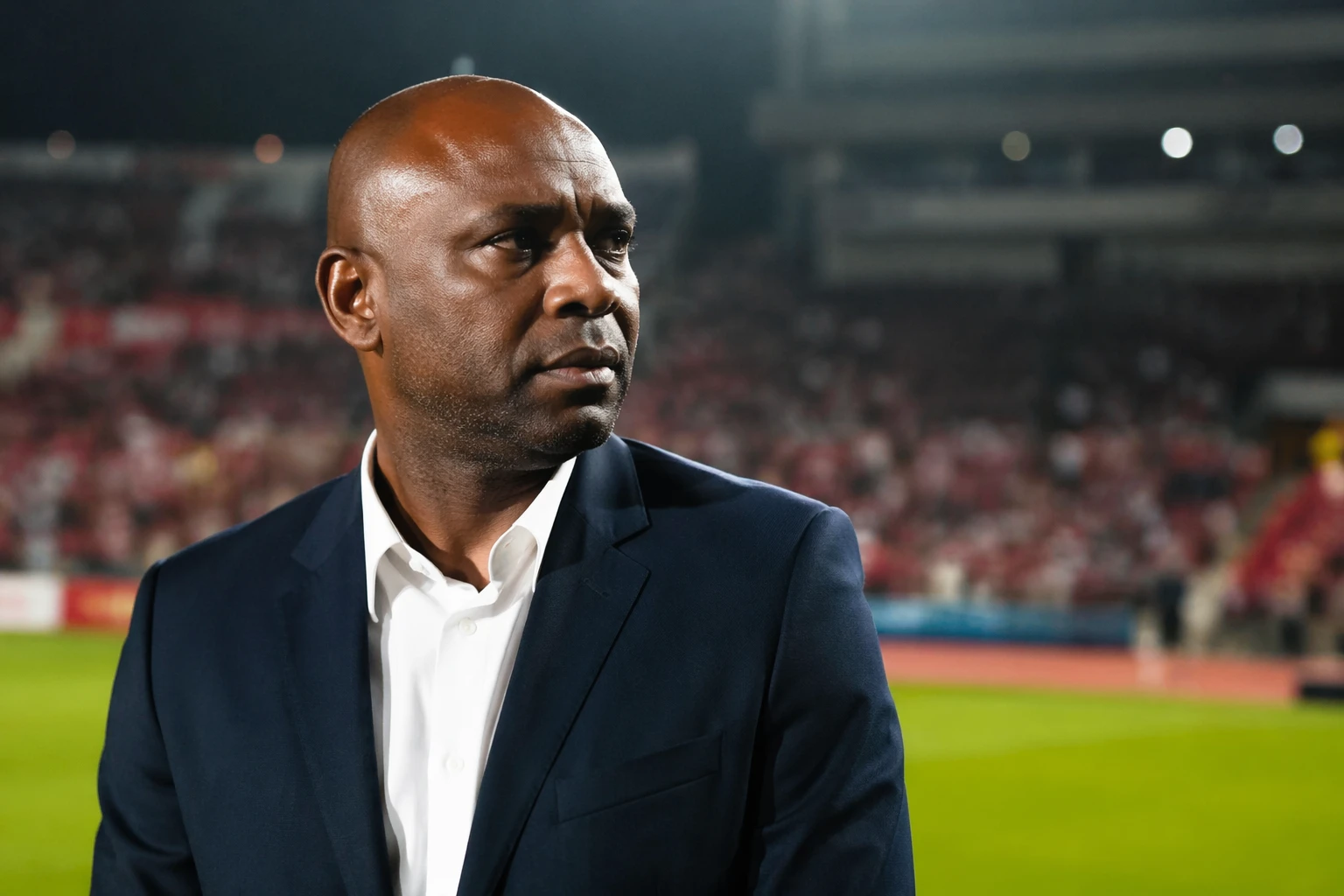
Julio César Dely Valdés has put his name behind Panama’s work under Thomas Christiansen, arguing that the national team has shown real growth even when the results have not told the full story. For the former Panama forward, the question is no longer whether the side has improved, but whether the country will keep backing a process that still needs time to produce a more complete team.
Dely Valdés has pointed back to the 2018 World Cup as proof that a result line can hide development. Panama finished that tournament with three defeats, yet he maintained that the performance did not match the final standing and that the squad included young players with room to grow. That view still frames the debate around Panama’s ceiling: a team can look more ambitious and more organized without yet having the consistency to turn that into points.
The clearest symbol of Panama’s breakthrough in Russia came on June 24, 2018, in Nizhny Novgorod, when Felipe Baloy scored in a 6-1 loss to England. The goal was Panama’s first in a World Cup, a milestone that carried meaning far beyond the scoreline and remains a reference point for how far the program has come. The match also exposed the distance still left to travel, because a historic moment arrived inside a heavy defeat.
That tension between progress and incompleteness is also how Dely Valdés describes Christiansen’s side. He has said Panama has tried to play with possession and a clear attacking idea, and he has backed Christiansen as a coach doing good work. The missing piece is not effort or intent, but the ability to sustain that identity across qualifying cycles and major tournaments.
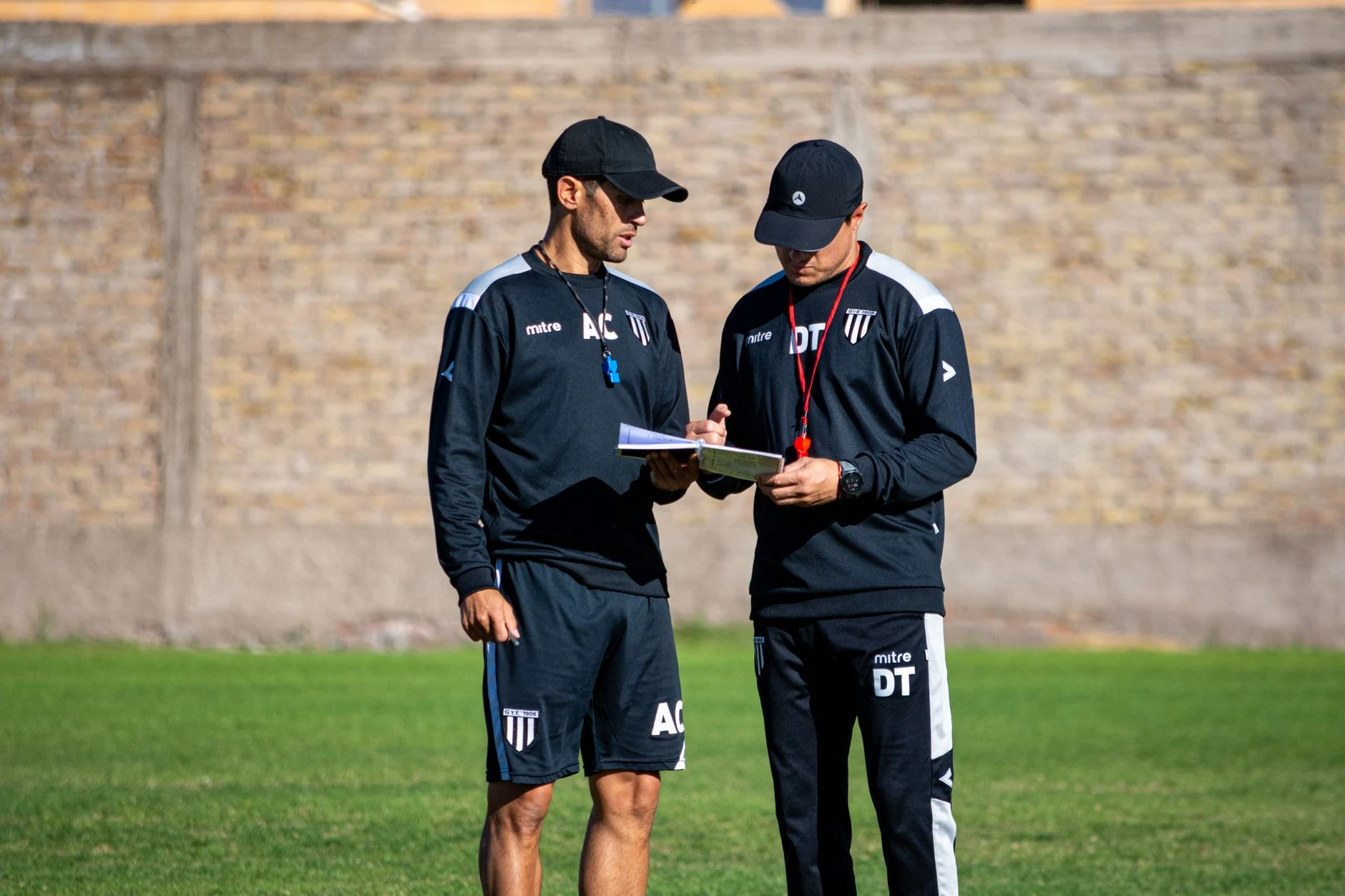
The wider Dely Valdés family has kept that same conversation alive in the youth ranks. In 2023, Jorge Dely Valdés led Panama Sub-23 to the Maurice Revello title, the first time a Central American team won the tournament. Two years later, he stressed that talent alone was not enough and that the team had to meet tactical and physical demands, a message that fits the national program as much as the age groups.
Panama now has examples of progress at senior and youth level, but the case for the program still rests on whether the federation and its coaches keep the structure intact long enough for the attacking promise to become a consistent final product.
Sources
- [1]telemundo.com
- [2]latercera.com
- [3]inside.fifa.com
- [4]sports.inquirer.net
- [5]panamaamerica.com.pa
- [6]prensa.com