US News
June Bootids peak this week, but no major outburst expected
The June Bootids will reach their annual peak with little expectation of drama, even though the shower has proved capable of sudden bursts that can catch observers off guard. Active every year from June 22 to July 2 and usually strongest around June 27, the shower is expected to remain modest in 2026.
That uncertainty is the story. The June Bootids are tied to comet 7P/Pons-Winnecke, a Jupiter-family comet with an orbital period of about 6.3 years. Its current path comes about 0.23 astronomical units outside Earth’s orbit at the closest approach, yet the debris stream it leaves behind has produced wildly inconsistent displays. In 1998, the shower flared to maximum zenithal hourly rates near 100. Earlier probable strong returns were recorded in 1916, 1921 and 1927, while the 2010 return was poorly established at ZHR below 10 on June 23 and 24.
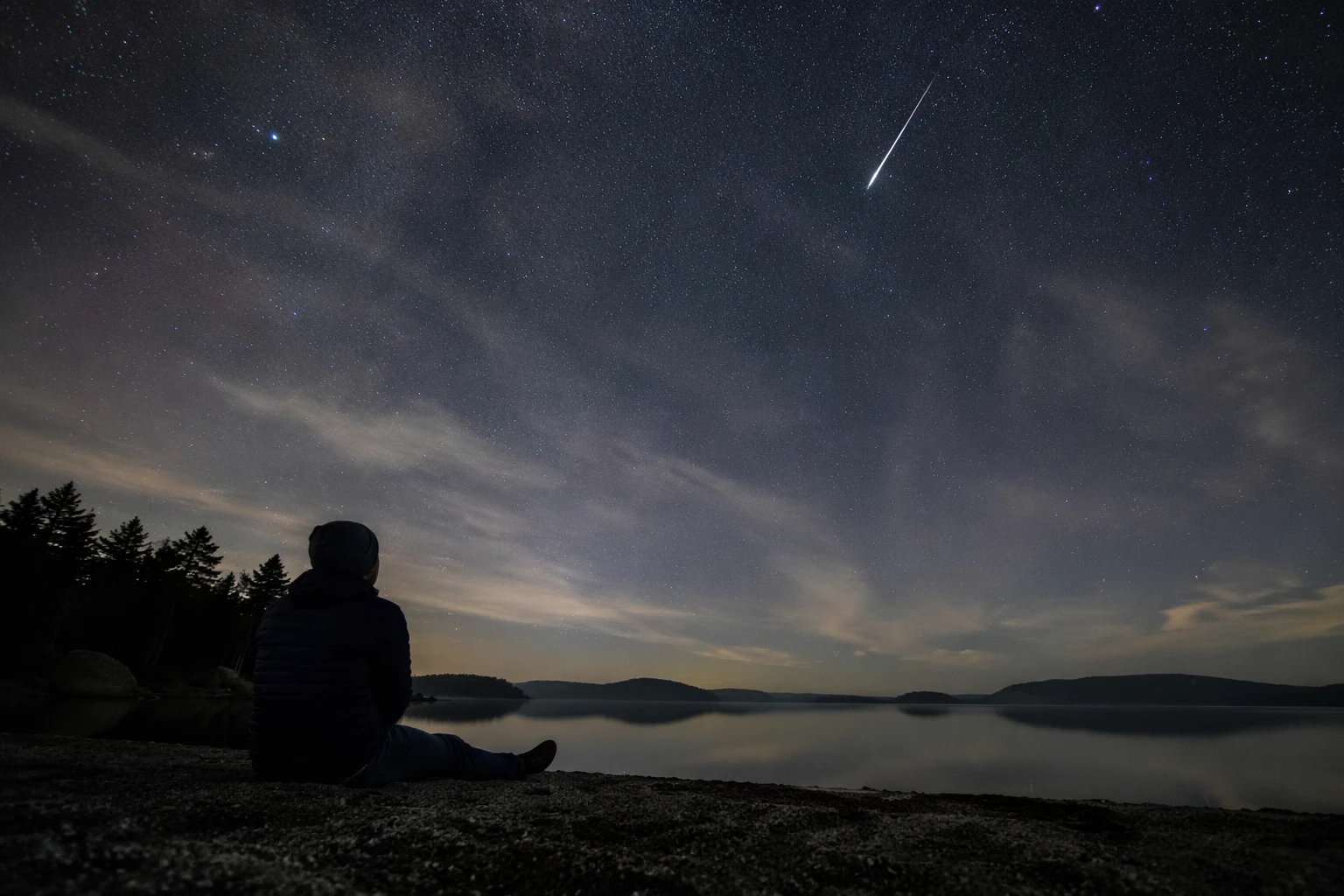
Astronomers say that is exactly why meteor forecasts are so difficult. The International Meteor Organization says some sources, including the June Bootids, may produce only single events instead of a strong annual shower. The American Meteor Society adds that brief outbursts from rare showers can be missed unless many observers are watching. A flare-up may exist for only a short time, then disappear before a single casual skywatcher notices it.
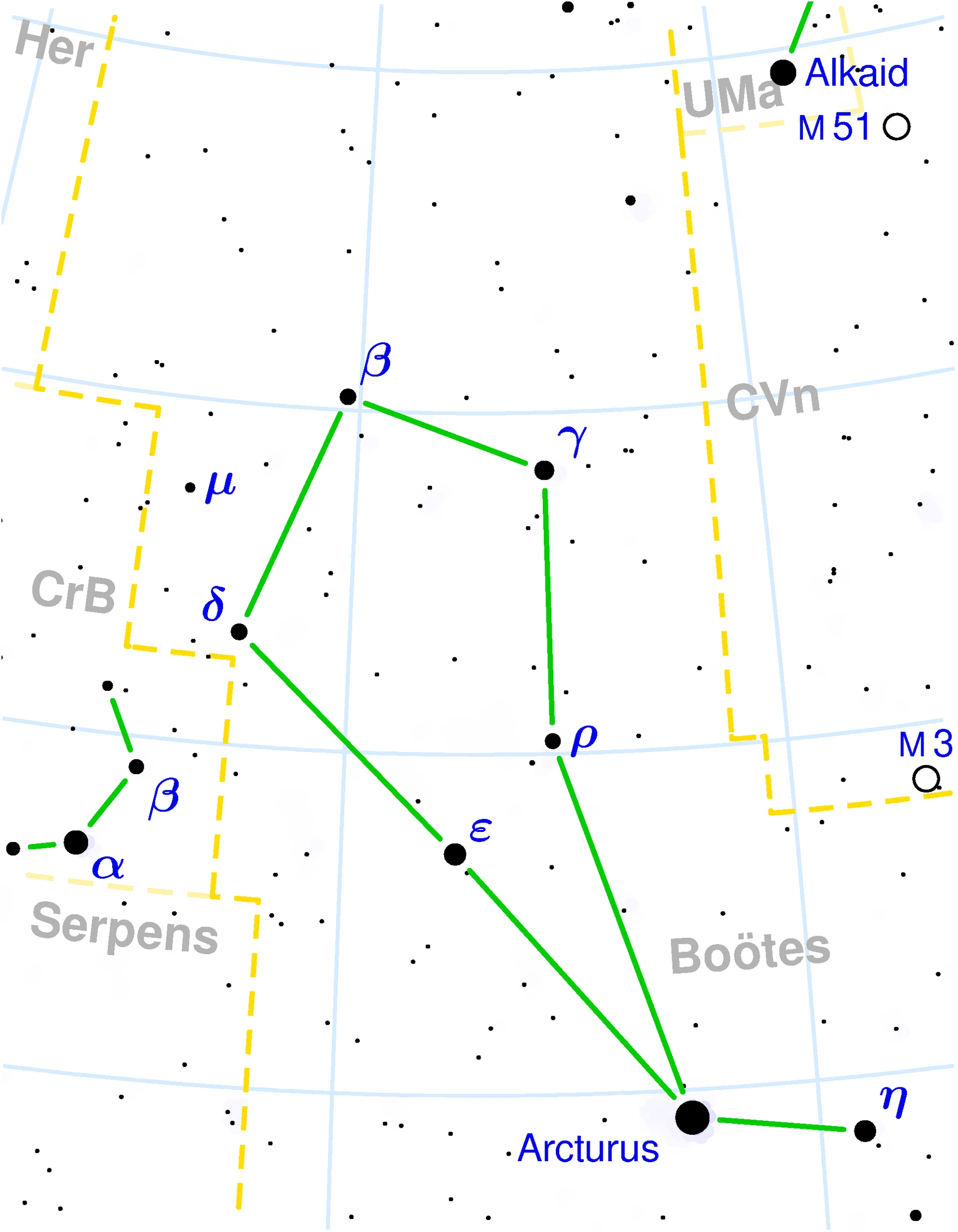
For viewers, the best chance comes after midnight, once the sky is fully dark and the radiant has climbed. The radiant sits in Boötes, in northwestern Boötes near Eta Ursae Majoris, also known as Alkaid. The American Meteor Society places maximum activity around June 27, with a radiant position of 14:52, or 223 degrees, plus 48 degrees. Independent observing guides for 2026 also point to peak activity around June 26 and 27.
The June Bootids have become a classic test case for meteor prediction. A quiet year does not rule out a surprise, but the long record of sparse returns, a weak 2010 showing, and the current orbital geometry all point to restraint rather than spectacle. This week’s peak is still worth watching, but the real lesson is that some meteor showers remain stubbornly hard to forecast.
Sources
- [1]news.google.com
- [2]imo.net
- [3]amsmeteors.org
- [4]ntrs.nasa.gov
- [5]science.nasa.gov