US News
June consumer prices fall as U.S.-Iran conflict threatens energy costs
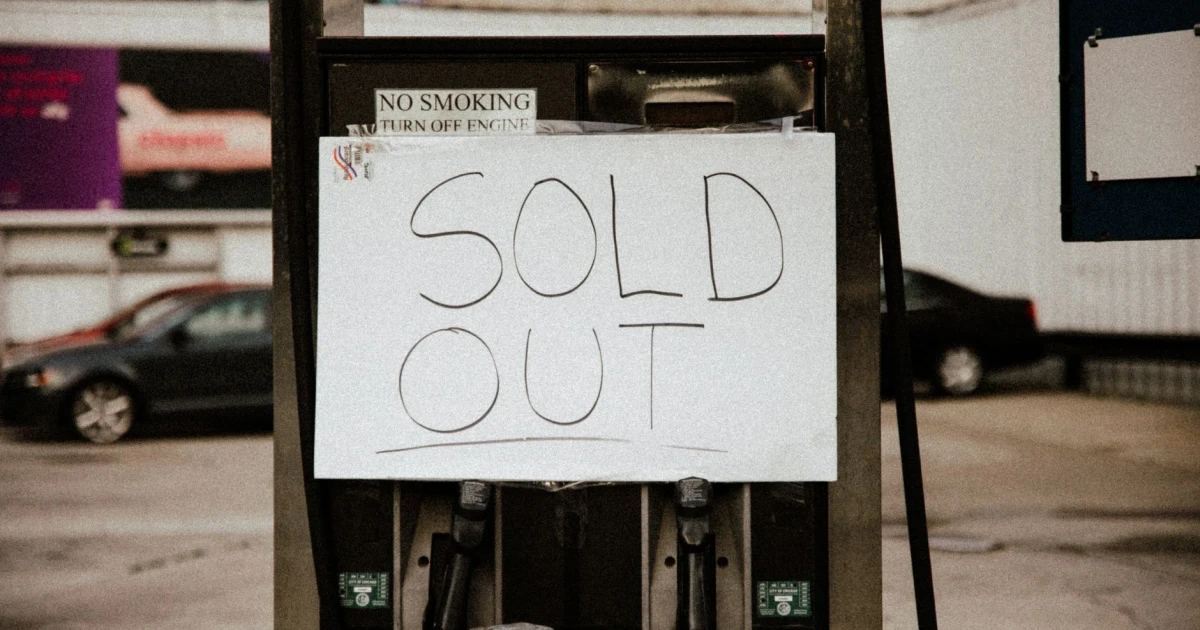
Consumer prices fell 0.4 percent in June after rising 0.5 percent in May, the steepest one-month drop since April 2020. The decline came as oil prices rose after renewed fighting with Iran.
The Consumer Price Index rose 3.5 percent over the 12 months ending in June, down from 4.2 percent in May. Economists surveyed by Dow Jones had expected a 0.2 percent monthly decline and 3.8 percent annual inflation. Core inflation, which strips out food and energy, was unchanged on the month and ran 2.6 percent higher than a year earlier.

Energy did most of the work in pulling the index lower. The energy index fell 5.7 percent in June, but it was still 15.7 percent above its level a year earlier, and gasoline prices were 26.7 percent higher than in June 2025. Cheaper energy and softer services prices, especially housing, drove the easing.
On July 7, Iran attacked three commercial vessels in the Strait of Hormuz, the United States revoked a general license allowing sales of Iranian crude, and U.S. forces later struck Iran. Brent crude settled at $74.16 a barrel and WTI at $70.44 that day, then rose to $77.86 and $73.37 by July 9 as traders weighed the chance of disruption in a corridor that carried about one-fifth of global oil and liquefied natural gas supplies before the conflict.
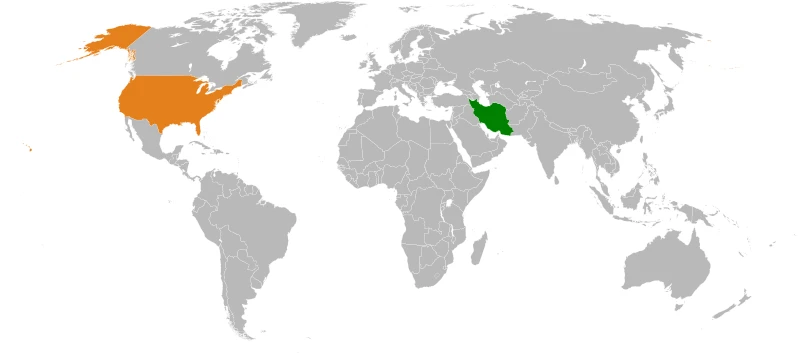
Senate Banking ranking member Elizabeth Warren said inflation was still too high, that real wages had failed to grow for a third straight month, and that Trump was "doubling down on his illegal war in Iran."
Sources
- [1]nytimes.com
- [2]bls.gov
- [3]cnbc.com
- [4]money.usnews.com
- [5]kitco.com
- [6]banking.senate.gov