US News
Juneteenth marks delayed freedom, from Galveston to federal holiday
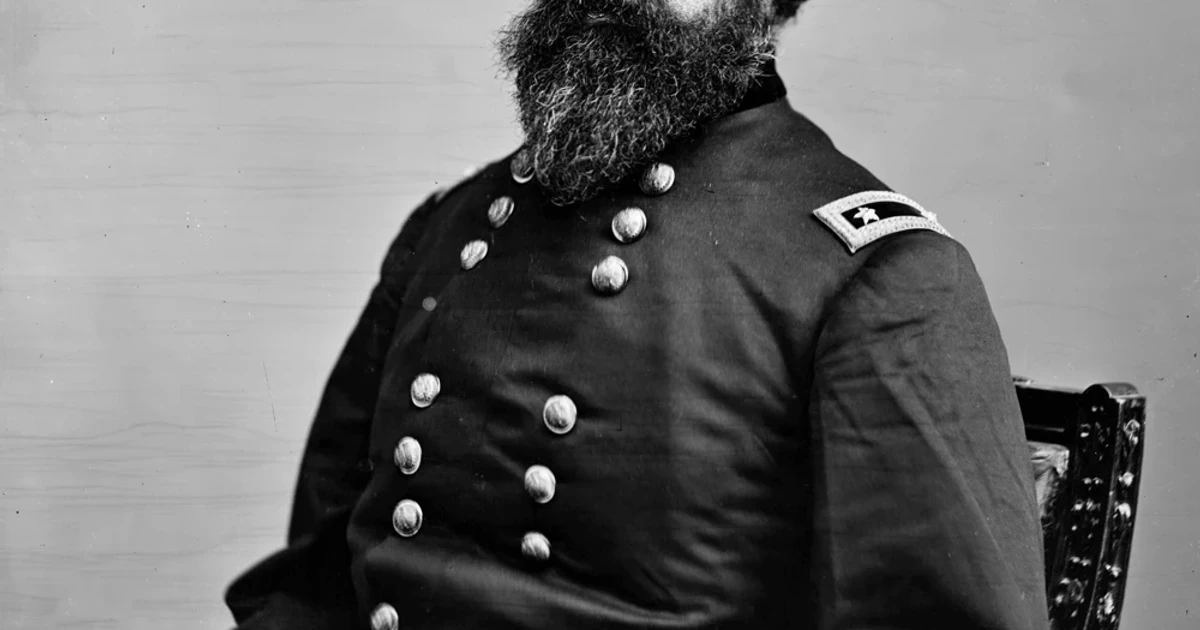
Juneteenth starts with a contradiction that still defines it: freedom had already been declared, but thousands of Black Texans did not hear it until Union troops arrived in Galveston. When Maj. Gen. Gordon Granger issued General Order No. 3 on June 19, 1865, more than 250,000 enslaved Black people in Texas learned they were free, even though President Abraham Lincoln had signed the Emancipation Proclamation about two and a half years earlier.
Delayed freedom in Galveston
The first observed Juneteenth is tied to June 19, 1865, when about 2,000 Union troops came into Galveston Bay, Texas, and carried the authority of a war that was already ending. Granger’s order did not create freedom so much as announce and enforce it, which is why the date remains so powerful. The Civil War had been won by the Union two months earlier, but in Texas, emancipation still had to be delivered in person.
That delay is central to the holiday’s meaning. Juneteenth is a blend of “June” and “nineteenth,” but it also captures a national pattern: rights on paper have often arrived long before rights in practice. The National Archives calls it the oldest known celebration commemorating the end of slavery in the United States, a description that reflects both its historical weight and the durability of the memory surrounding it.
From Texas observance to Black national ritual
Juneteenth was first celebrated in Texas, then spread through Black communities across the country. It did not begin as a government ceremony or a public holiday on a federal calendar; it grew from community practice, remembrance, and the need to turn liberation into something lived and shared. Families gathered, commemorations took shape, and the day became a durable expression of Black citizenship and survival.
Formerly enslaved people also used Juneteenth as a practical day of freedom. According to the historical record tied to the holiday, they reunited families separated by slavery, established schools, ran for political office, and even sued slaveholders for compensation. That mix of celebration and assertion matters because it shows Juneteenth as more than a memorial date. It was a platform for rebuilding lives, demanding accountability, and entering public life.
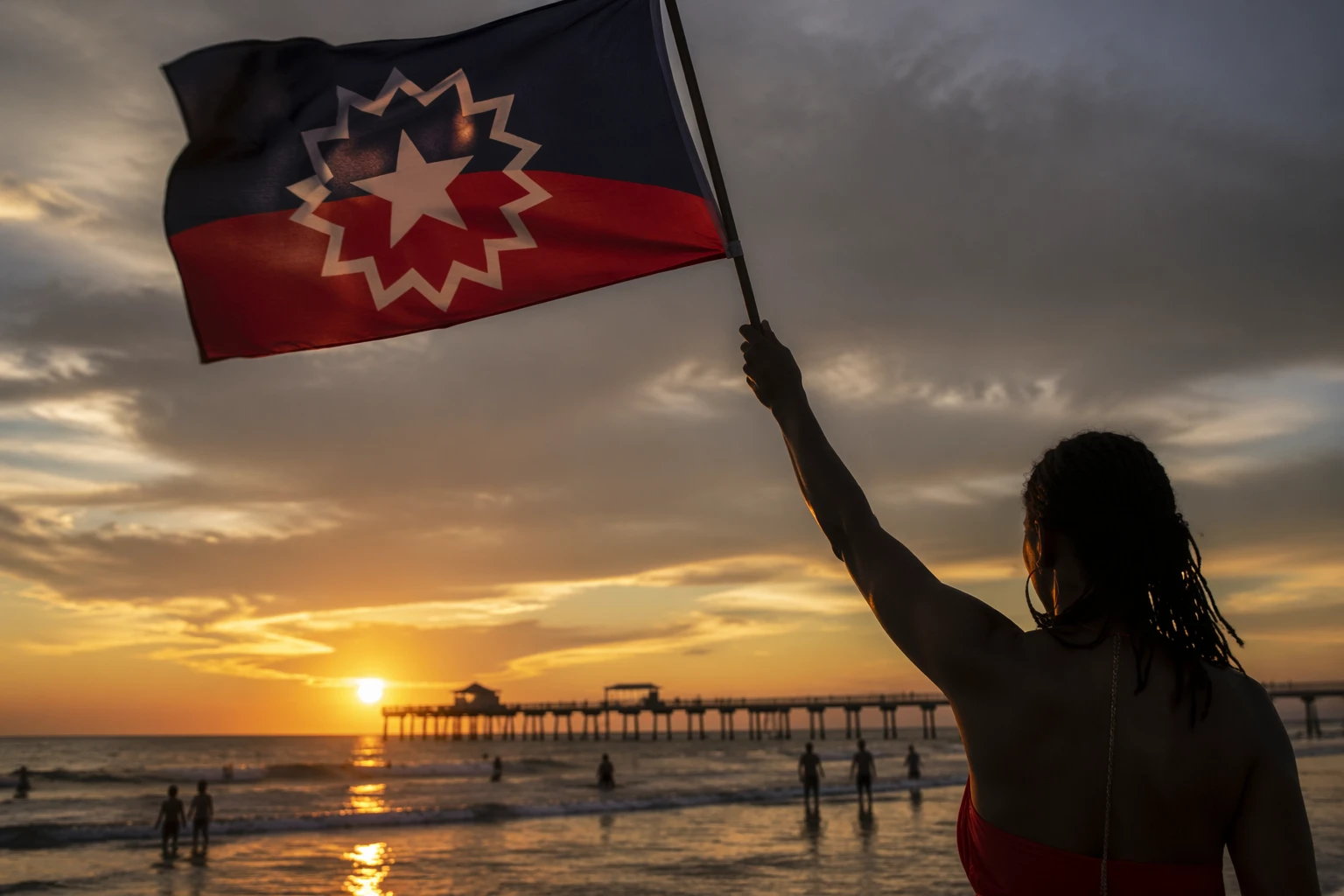
That legacy is why the holiday still reaches beyond nostalgia. It is not simply about looking back at bondage and release. It is about how Black communities created institutions and claims to rights in the aftermath of slavery, and how those claims helped widen the country’s democratic story.
Why the story still shapes debates over memory and inclusion
Juneteenth endures because it forces a harder reading of American history. The holiday marks a gap between constitutional ideals, wartime proclamation, and the lived reality of freedom in places like Texas. That gap remains relevant in debates over memory, race, and who is included in the national narrative, because it shows that emancipation was not a single moment but a process that had to be announced, enforced, and defended.
The National Museum of African American History and Culture frames Juneteenth as a time to celebrate, gather as a family, reflect on the past, and look to the future. That language captures the holiday’s dual role: it is both ceremonial and civic. It invites joy, but it also asks the country to reckon with how long it took for freedom to reach enslaved people in Texas, and how often the promise of equal citizenship has depended on persistent pressure from those denied it.
That is where Juneteenth connects to current political and cultural disputes. The holiday has become part of the broader argument over how schools teach slavery, how institutions remember emancipation, and whether national symbols make room for stories that were long pushed to the margins. Its importance lies partly in that tension. Juneteenth does not soften the history of slavery; it keeps the delay in view.
How Juneteenth became a federal holiday
The move from regional observance to federal holiday came on June 17, 2021, when President Joe Biden signed the Juneteenth National Independence Day Act into law. The measure had passed the Senate on June 15, 2021, and the House on June 16, 2021, giving the holiday federal status after generations of community observance. Congress formally designated Juneteenth National Independence Day as a legal public holiday, bringing the date into the federal calendar.
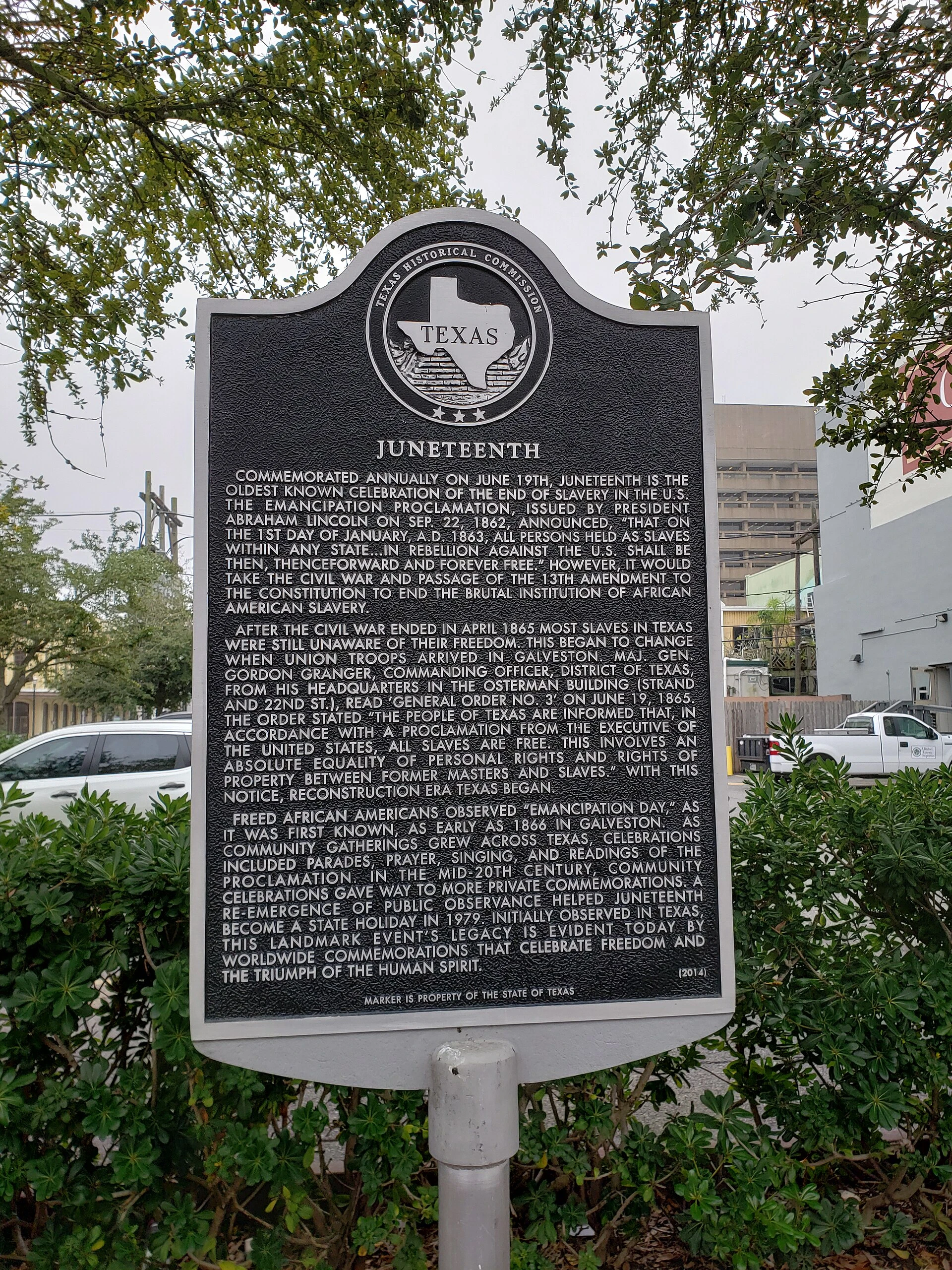
That step mattered symbolically and institutionally. Federal recognition did not invent Juneteenth, but it acknowledged a tradition that had long existed outside Washington. In practical terms, it placed the story of Galveston, General Order No. 3, and the delayed arrival of emancipation into the same civic framework as other national commemorations.
The timing also reinforced the holiday’s central message. Juneteenth became federal law because the country eventually recognized that freedom delayed is still freedom denied. The legislation did not settle the historical meaning of the day, but it made clear that the nation could no longer treat that meaning as regional or optional.
A living holiday, not a closed chapter
Juneteenth remains a major symbol of delayed freedom and emancipation in America. That is why the day now sits at the intersection of celebration, education, and political backlash. Families mark it as a gathering day, institutions use it to teach history, and public debate continues to test how much of slavery’s aftermath the country is willing to face honestly.
LZ Granderson of the Los Angeles Times and author Blair Imani have both discussed the significance of the holiday, reflecting how Juneteenth now lives in public conversation as much as in ceremony. Their attention to the day mirrors a wider shift: what began as a Texas commemoration is now a national marker of how freedom was announced, withheld, and finally recognized.
Juneteenth’s power comes from that unfinished quality. It remembers June 19, 1865, but it also asks what it means when justice arrives late, and who has the authority to decide when the story of America is fully told.
Sources
- [1]abcnews.com
- [2]nmaahc.si.edu
- [3]archives.gov
- [4]congress.gov
- [5]blairimani.com
- [6]latimes.com