World
Jury fails to reach verdict in Moog factory damage trial
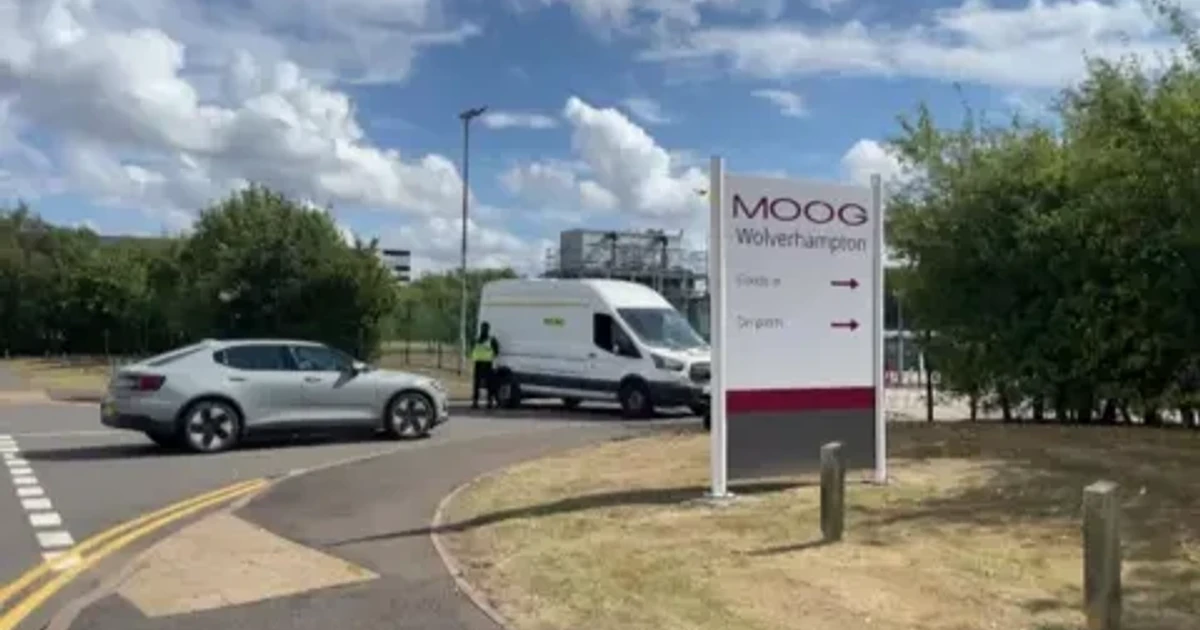
A Birmingham jury could not agree on whether direct action against a factory linked by activists to Israel crossed the line into criminal damage, leaving prosecutors to decide whether to try the case again. After 17 hours and 7 minutes of deliberation, the panel was discharged with no prospect of majority verdicts.
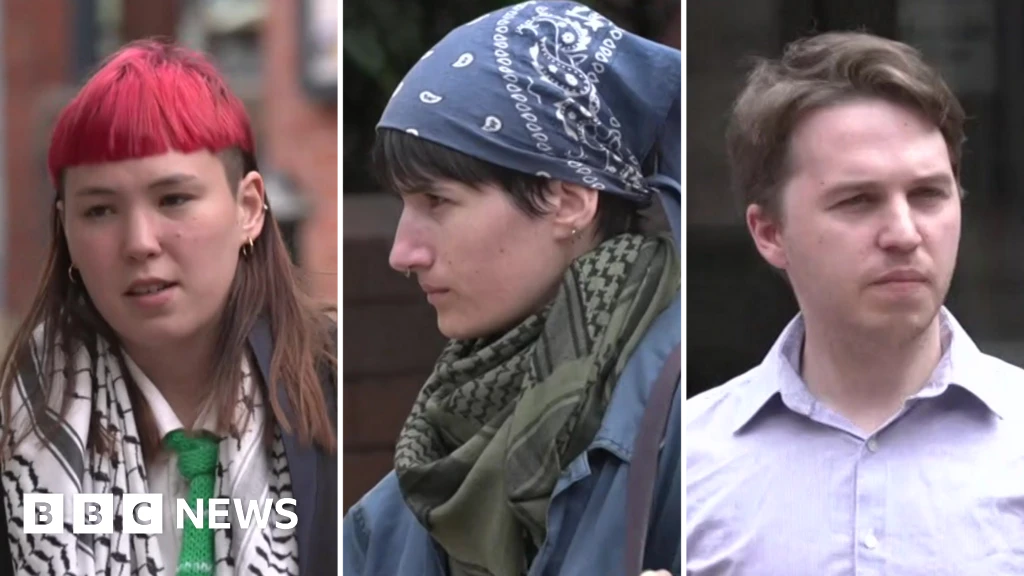
The trial at Birmingham Crown Court centred on Iain Evans, Hisham Alkhamesi, Hana Yun-Stevens and Frank Sherman, also known as Bea Sherman. The four admitted breaking into the Moog factory in Pendeford, Wolverhampton, but denied the single count of causing criminal damage, saying they believed the business was part of the supply chain to Israel and that they acted to “disarm” the site.
Prosecutors said the evidence showed a coordinated and destructive raid in the early hours of August 26, 2025. CCTV, drone and helicopter footage was shown to jurors, who were told the group arrived in a Land Rover, rammed perimeter gates and climbed onto the roof of Moog Wolverhampton Ltd. Court evidence said windows, hundreds of solar panels and sections of roof were damaged, and prosecutors said machinery inside the building was exposed to potential rain damage when parts of the roof were cut away.
A West Midlands Police officer told the court he saw four people on the roof, with three later detained in a cherry picker. Another detainee shouted “free Palestine” as they were brought down, the court heard. At the start of the trial, Mr Justice Wall told jurors to ignore protests outside the court building, a reminder that the trial itself was taking place against a charged political backdrop.
The Crown Prosecution Service will now decide whether to seek a retrial. The result leaves unresolved a question that has become increasingly visible in protest cases involving defence-related companies: how far jurors are willing to separate political motive from criminal conduct when defendants say they were acting out of conscience rather than simple vandalism.
The Moog case also follows separate proceedings earlier in 2026, when six other pro-Palestinian activists were acquitted of aggravated burglary over a raid on an Israeli defence firm’s factory and jurors failed to convict on related charges. Together, the cases suggest a legal battlefield that is still unsettled, with courts asked to draw firm lines between protest, trespass, sabotage and criminal damage while public anger over foreign conflicts continues to spill into company premises.
Sources
- [1]bbc.com
- [2]thejc.com
- [3]aol.com
- [4]inews.co.uk