Business
Jury Finds Elon Musk Misled Investors Before Twitter Buyout
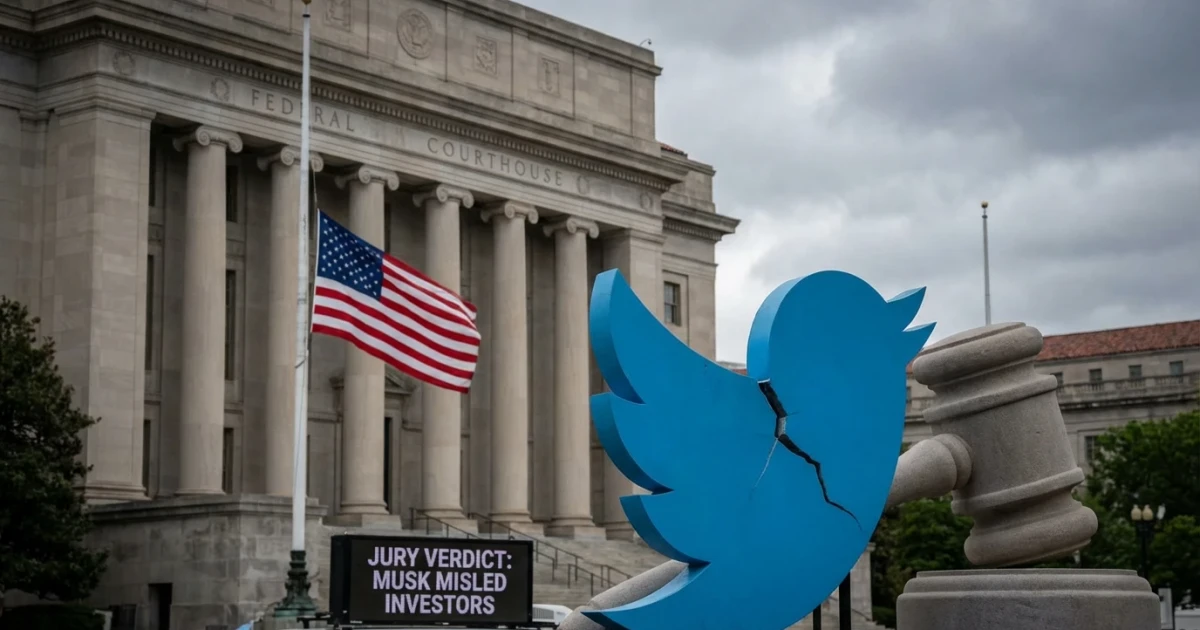
Elon Musk misled Twitter investors in the lead-up to his high-profile $44 billion acquisition of the social media platform, a federal jury determined this week. The verdict follows months of legal scrutiny and intensifies the spotlight on the Tesla and SpaceX CEO’s communications with shareholders during one of the most watched tech buyouts in recent history.
Jury Decision Highlights Investor Concerns
The jury’s finding, as reported by Bloomberg, concluded that Musk made misleading statements or omissions that influenced Twitter’s stock price and investor decisions before the official buyout offer in 2022. While details about specific misleading statements were not immediately disclosed, the verdict signals significant concern about the accuracy of disclosures made during major corporate transactions.
Background of the $44 Billion Acquisition
Musk’s pursuit of Twitter began in early 2022, when he started quietly acquiring shares, culminating in a formal offer to take the company private. According to SEC filings, Musk’s initial stake-building and public statements about his intentions created significant volatility in Twitter’s stock.
- Musk’s acquisition offer valued Twitter at $54.20 per share.
- The deal represented a 38% premium over Twitter’s share price before the news of Musk’s interest became public.
- The acquisition was finalized in October 2022 after months of negotiations and legal wrangling.
Legal and Regulatory Scrutiny
The trial marks one of several legal challenges Musk has faced over his Twitter takeover. Shareholders and regulators have examined whether Musk’s disclosures, including his Schedule 13D filing and public statements, were sufficiently transparent. Court documents and SEC records have become central to arguments regarding the timing and content of Musk’s communications.
Legal experts note that the jury’s finding could embolden further regulatory action or shareholder lawsuits. The Department of Justice has previously issued statements on the importance of truthful disclosures in public markets, and similar cases have resulted in fines, settlements, or governance reforms.
Implications for Corporate Transparency
This case underscores the importance of transparency and accuracy in communications between executives and investors, especially during major mergers or acquisitions. Investor advocates argue that misleading statements can distort stock valuations and harm both institutional and retail shareholders. In the wake of the verdict, companies may be pressured to review disclosure practices and ensure compliance with federal securities laws.
Looking Ahead
While the jury’s decision does not immediately dictate penalties or damages, it sets the stage for further legal proceedings that could shape the future of executive accountability in high-stakes deals. Observers expect continued debate about the effectiveness of existing disclosure rules and the adequacy of enforcement mechanisms.
As the legal process unfolds, the case will likely serve as a reference point for both regulators and corporate leaders navigating the complex intersection of public statements, investor expectations, and market integrity.