US News
Justice Department backs down on rare subpoenas for Journal, Post reporters
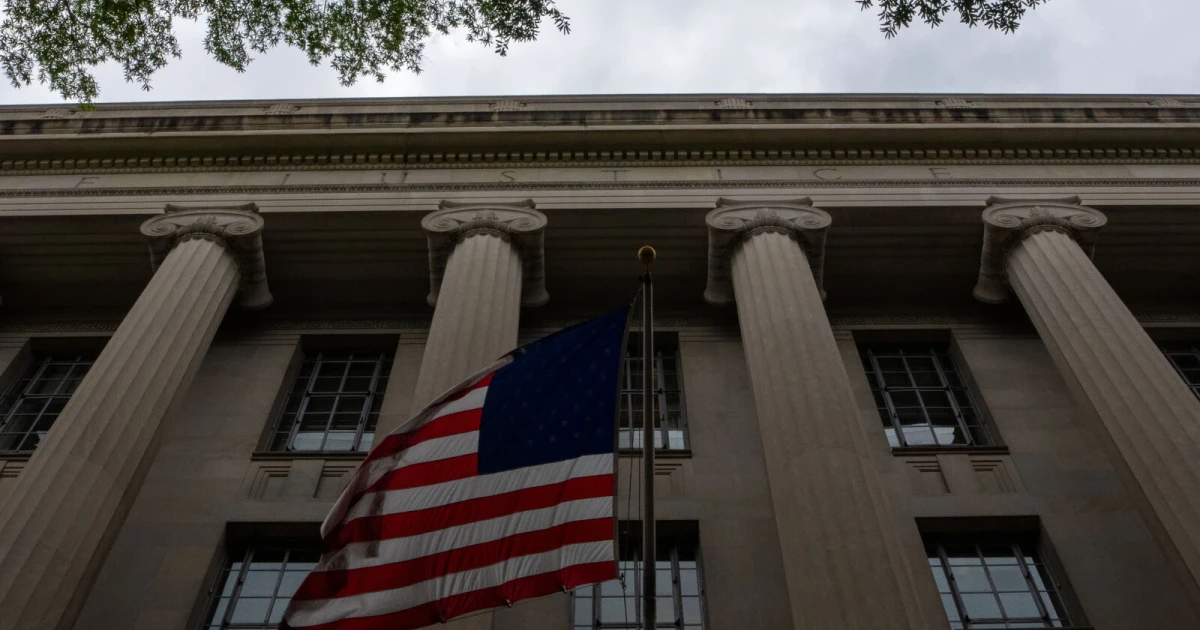
The Justice Department backed away from rare grand jury subpoenas aimed at journalists from The Wall Street Journal and The Washington Post after the news organizations fought the orders in sealed filings. The reporters did not testify, but the episode has sharpened concern that leak investigations are being used to pry into national-security journalism and intimidate confidential sources.
The Washington Post subpoena reportedly involved reporter Ellen Nakashima and sensitive national-security reporting. A separate subpoena was issued on Jan. 14, 2026, the same day FBI agents searched Post reporter Hannah Natanson’s home and seized her phone, watch and two laptops, including one issued by the newsroom. On the Journal side, the government obtained subpoenas dated March 4, 2026 for three Journal journalists, tied to a Feb. 23, 2026 article about warnings to President Donald Trump on the risks of a prolonged military campaign against Iran.
Press-freedom groups said the Justice Department’s push crossed a dangerous line. Bruce D. Brown, of the Reporters Committee for Freedom of the Press, said such use of subpoenas would be “a sharp break with historical precedent.” The Committee to Protect Journalists said the subpoenas were an attempt to “shut down reporting,” and urged the department to withdraw them. Dow Jones, the Journal’s parent company, called the effort “an attack on constitutionally protected newsgathering” and said it would vigorously oppose the subpoenas.
The clash comes after a significant policy shift inside the Justice Department. In April 2025, then-Attorney General Pam Bondi rescinded Biden-era rules that had limited prosecutors’ ability to target journalists in leak investigations, giving federal officials more room to use subpoenas and search warrants against news organizations. Acting Attorney General Todd Blanche has publicly defended leak prosecutions, saying that pursuing leakers who share national secrets with reporters was a priority and that witnesses with relevant information should not be surprised by subpoenas.
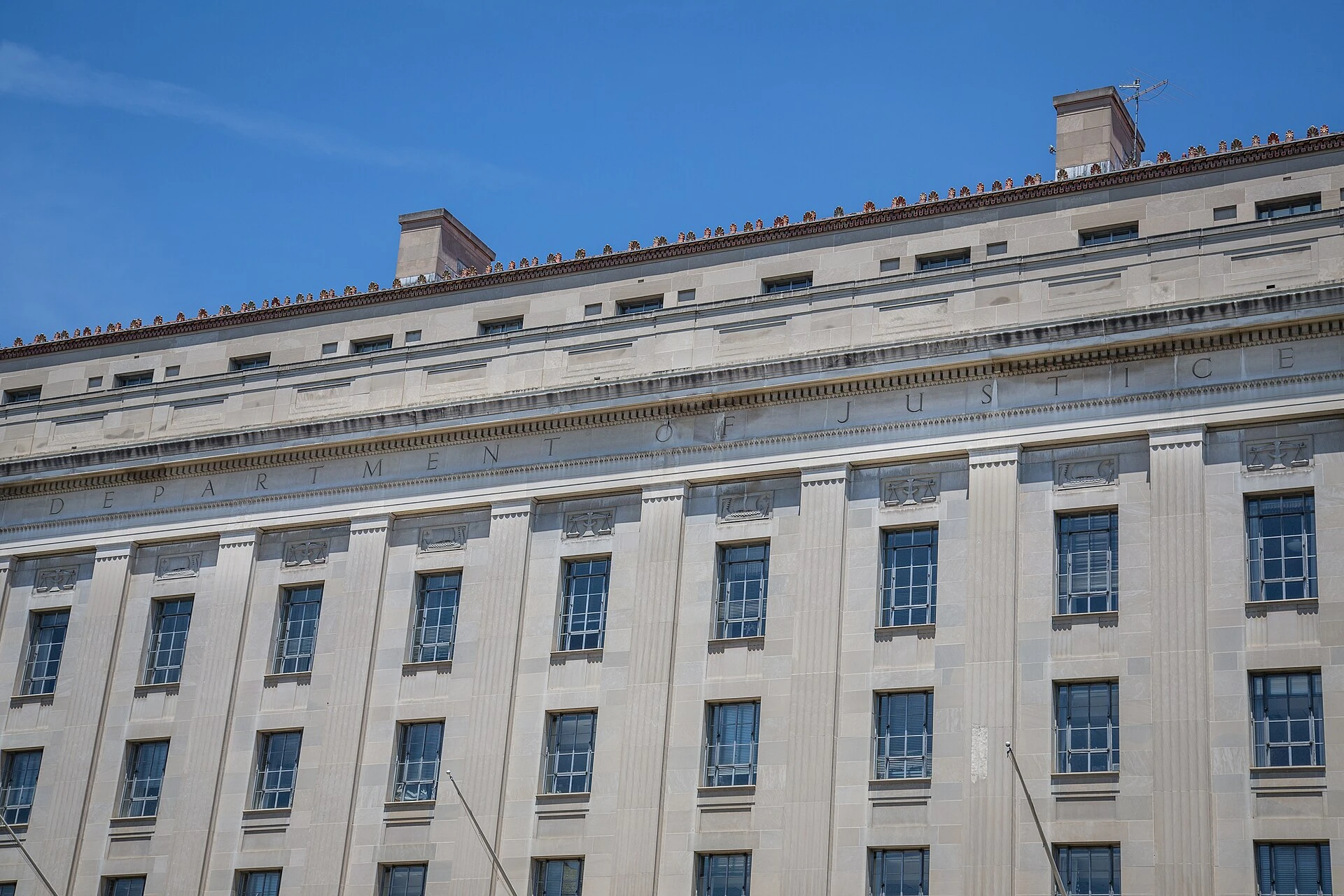
For national-security and political reporters, the retreat may be less a clean reversal than a tactical pause. The sealed fight suggests the department was willing to test how far it could push against major newsrooms, while the backlash shows how quickly those moves can trigger alarms about source protection and press freedom. Whether this becomes a durable policy change or a one-off retreat will shape how aggressively future administrations pursue leak cases, and how safe reporters can feel when confidential sources decide to talk.
Sources
- [1]nytimes.com
- [2]washingtonpost.com
- [3]niemanlab.org
- [4]rcfp.org
- [5]cpj.org
- [6]pressfreedomtracker.us
- [7]federalregister.gov