US News
Justice Department Broadens Trump Settlement to Tax Audits
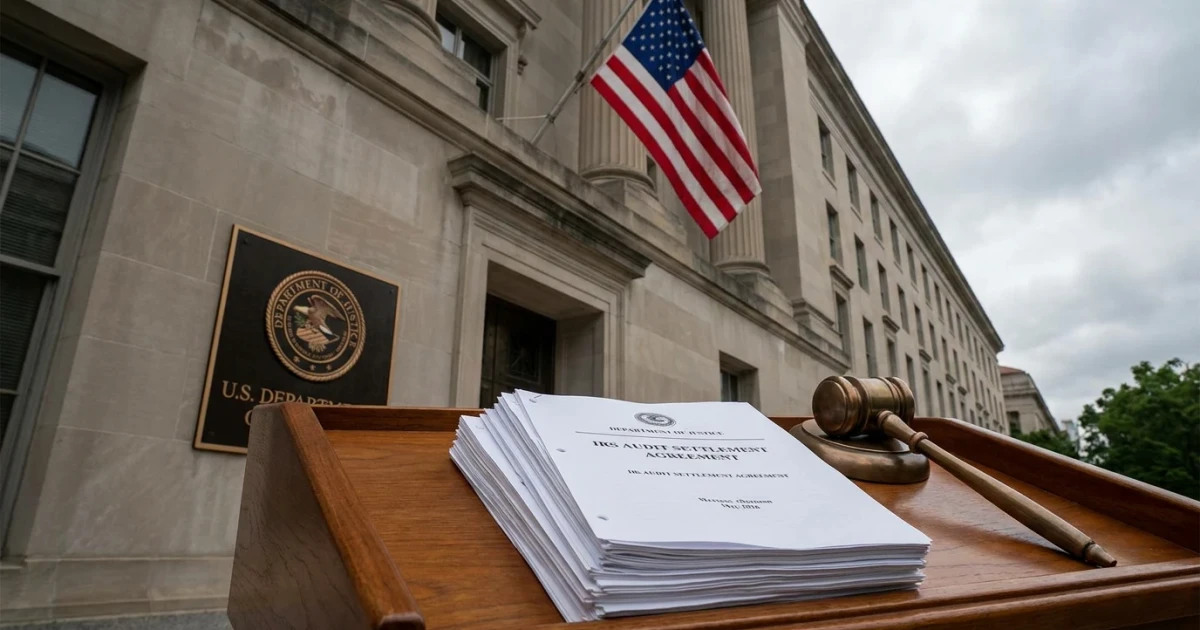
The Justice Department has moved to broaden its settlement with former President Donald Trump, now including IRS audits of Trump and his family, according to multiple reports. The development marks a significant expansion of legal agreements related to ongoing investigations into Trump's financial dealings and tax compliance during and after his presidency.
Settlement Expansion and IRS Audits
According to Politico, the Justice Department's expanded settlement now directly covers IRS audits of Trump and his family members. The move follows mounting public and political scrutiny surrounding the transparency and handling of presidential tax audits, an issue that has drawn national attention since Trump's time in office.
The settlement reportedly requires the IRS to drop audits that were previously ongoing against Trump and his family, as echoed by coverage from The New York Times. This action raises questions about the standards and procedures governing the IRS’s approach to auditing presidential tax returns, especially in high-profile cases.
Background: IRS Audit Procedures for Presidents
The IRS has long maintained specific procedures for auditing the tax returns of sitting presidents and vice presidents. These procedures are outlined in the Federal Register's official IRS policy document, which details the scope, timing, and confidentiality requirements for such audits. The process is designed to ensure accountability while maintaining nonpartisan oversight.
Recent analysis by the Government Accountability Office (GAO) found that while the IRS has formal procedures in place, there have been inconsistencies in implementation, especially regarding the frequency and depth of audits for presidential tax returns. These findings have fueled debate in Congress and among the public about the need for greater transparency and potential legislative reform.
Legislative and Legal Context
The expansion of the settlement comes amid ongoing discussions in Congress about the oversight of presidential tax audits. House and Senate lawmakers have debated measures such as the Presidential Tax Transparency Act (H.R.8296), which would formalize requirements for auditing and publicly disclosing presidential tax returns. The official bill text outlines provisions aimed at increasing government accountability and preventing future controversies.
Legal challenges related to Trump's taxes have also played out in federal courts, as seen in the Trump v. United States docket. These cases have addressed the extent to which the executive branch and its agencies can enforce or release tax information involving a sitting or former president.
Implications and Reactions
- The Justice Department’s decision to expand the settlement may set a precedent for how similar cases are handled in the future.
- Critics argue that dropping the IRS audits could undermine public trust in the fairness of the tax system, especially when high-profile figures are involved.
- Supporters contend that the move may be necessary to resolve prolonged legal disputes and allow government agencies to focus on broader enforcement priorities.
The IRS audits of Trump and his family have been a focal point of media coverage and political debate. According to IRS audit statistics, the vast majority of Americans are rarely audited, with higher-income individuals and complex returns facing more scrutiny. The exceptional nature of presidential audits, however, places them under a unique spotlight.
Looking Ahead
As the Justice Department’s expanded settlement takes effect, analysts and lawmakers are watching closely to see if this development prompts further legislative action or policy revisions. The debate over the appropriate balance of transparency, privacy, and accountability for presidential tax returns is likely to continue as both parties seek to define new standards moving forward.