Politics
Justice Department challenges Evanston reparations housing program as unconstitutional
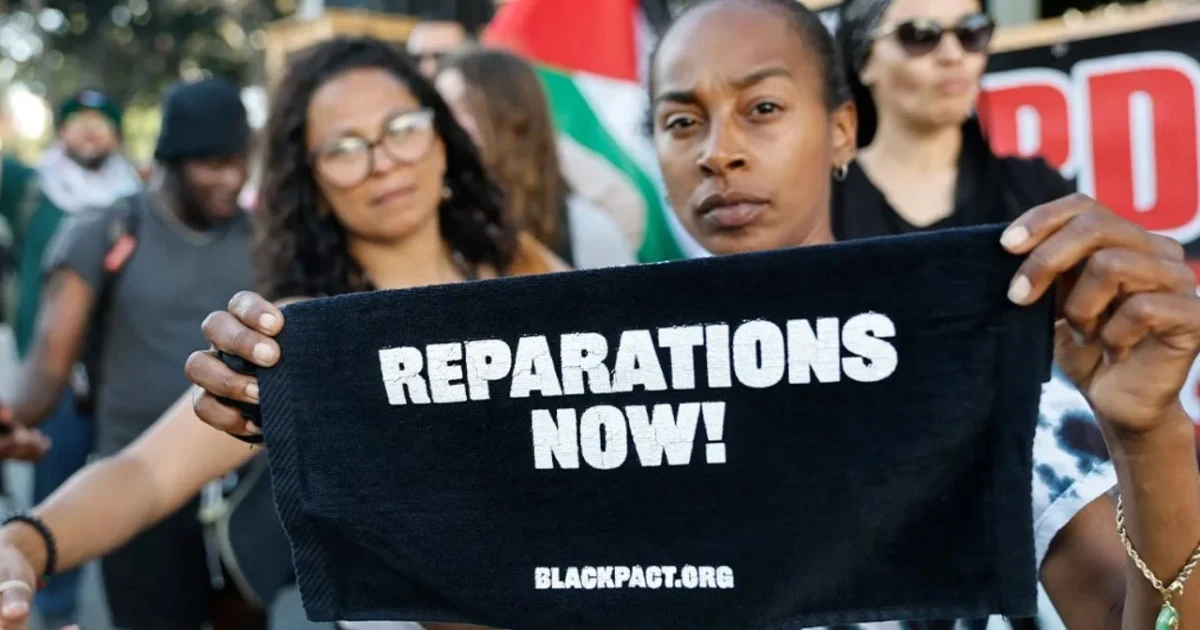
The Trump administration’s Justice Department moved to block Evanston’s housing reparations program, arguing the Chicago suburb used race alone to decide who receives cash and housing aid. The federal filing set up a national test of whether local governments can still design race-conscious remedies for segregated housing markets and decades of discriminatory policy.
Evanston built its Restorative Housing Program in 2019, when the City Council set aside the first $10 million in municipal cannabis tax revenue for local reparations under Resolution 126-R-19. The program offers up to $25,000 per recipient for cash payments, home repair, mortgage assistance, or down payment and closing-cost help on a primary residence in Evanston. City leaders say the effort was created to acknowledge harms from discriminatory housing policies and official inaction that stretched from 1919 to 1969.
Eligibility was drawn to match that history. Evanston says the program is open to Black residents who lived in the city as adults between 1919 and 1969, along with their children, grandchildren and great-grandchildren. It also covers people who can prove they experienced housing discrimination after 1969. The U.S. Department of Housing and Urban Development described the initiative in 2022 as the nation’s first local reparations program, and public records show the city launched the first housing phase in March 2021.
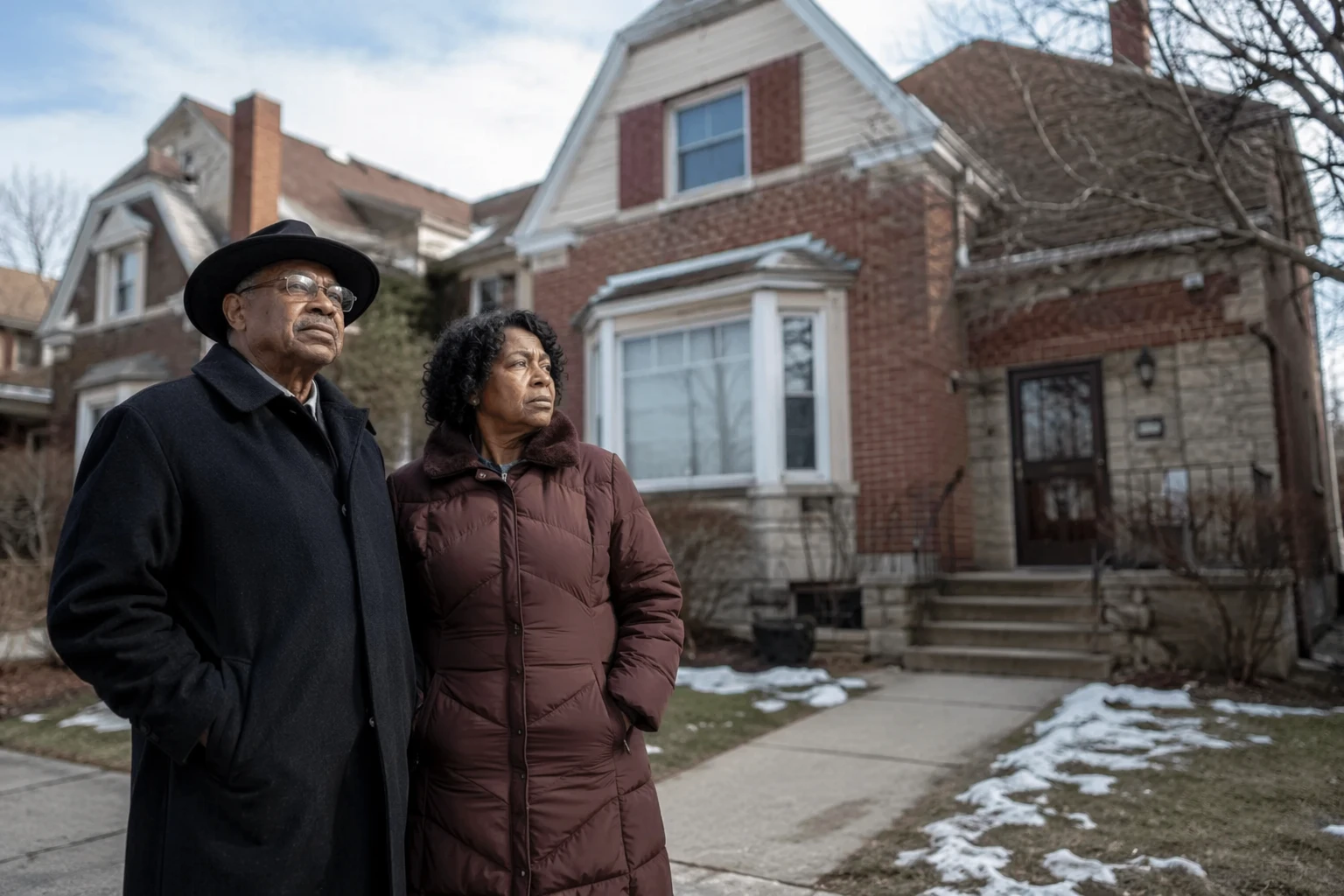
In its June 16, 2026, filing in the Northern District of Illinois, the Justice Department said the program violates the Equal Protection Clause of the Fourteenth Amendment and the Fair Housing Act. Federal lawyers said Evanston had paid out more than $5 million and planned to distribute millions more, while accusing the city of using race as the sole criterion for receiving money and of failing to identify the specific discriminatory acts it claimed to remedy.
By September 2024, Evanston’s reparations committee said about $5 million had already been disbursed to descendants and ancestors affected by discriminatory practices, and city officials had begun shifting from in-kind housing benefits toward direct cash payments. The federal challenge now places the country’s first city reparations program at the center of a wider legal fight, with consequences that could reach any other city considering race-conscious housing remedies.