US News
Justice Department charges five senior CJNG leaders in major crackdown
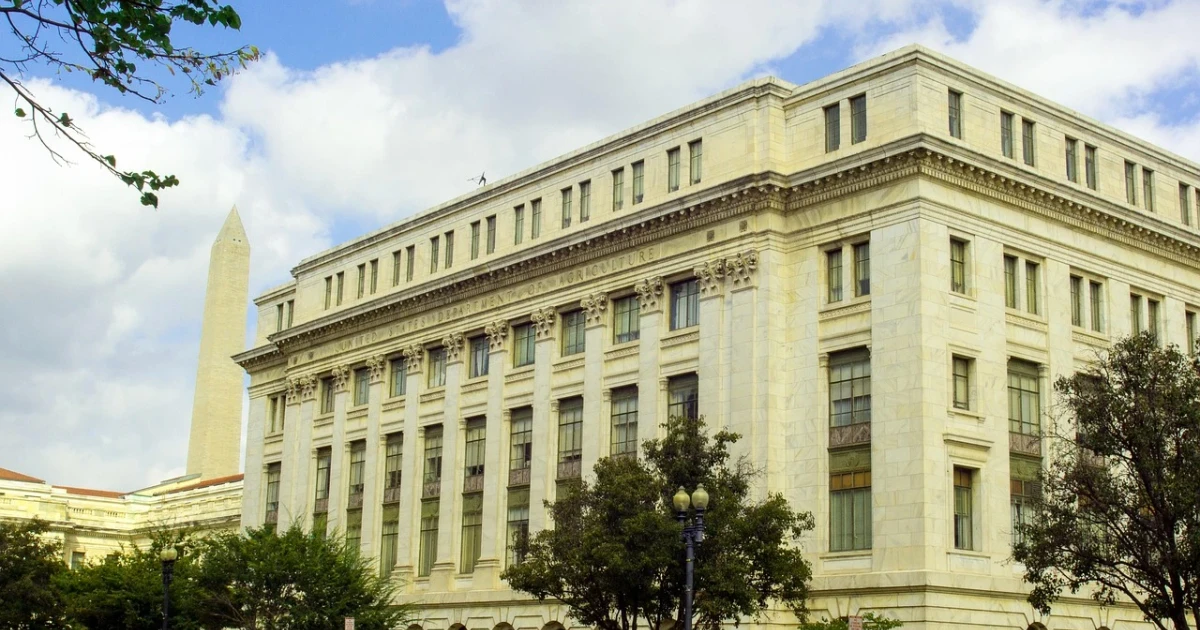
The Justice Department unsealed charges against five alleged high-ranking CJNG members on August 5 and paired the case with $100 million in rewards, sharpening pressure on a cartel U.S. officials have repeatedly called one of the most violent and powerful in the Western Hemisphere. Prosecutors said the case targets leaders accused of directing narcotics trafficking, violent enforcement and other criminal conduct across the United States-Mexico border.
The announcement came at a Justice Department press conference in Washington, D.C., and was framed as an effort to reach the people believed to be ordering shipments and violence, not just the low-level couriers who move drugs street by street. CJNG has been tied in U.S. cases to fentanyl, methamphetamine, cocaine and other drugs moving into American cities, along with money-laundering and weapons pipelines that sustain the cartel’s reach.
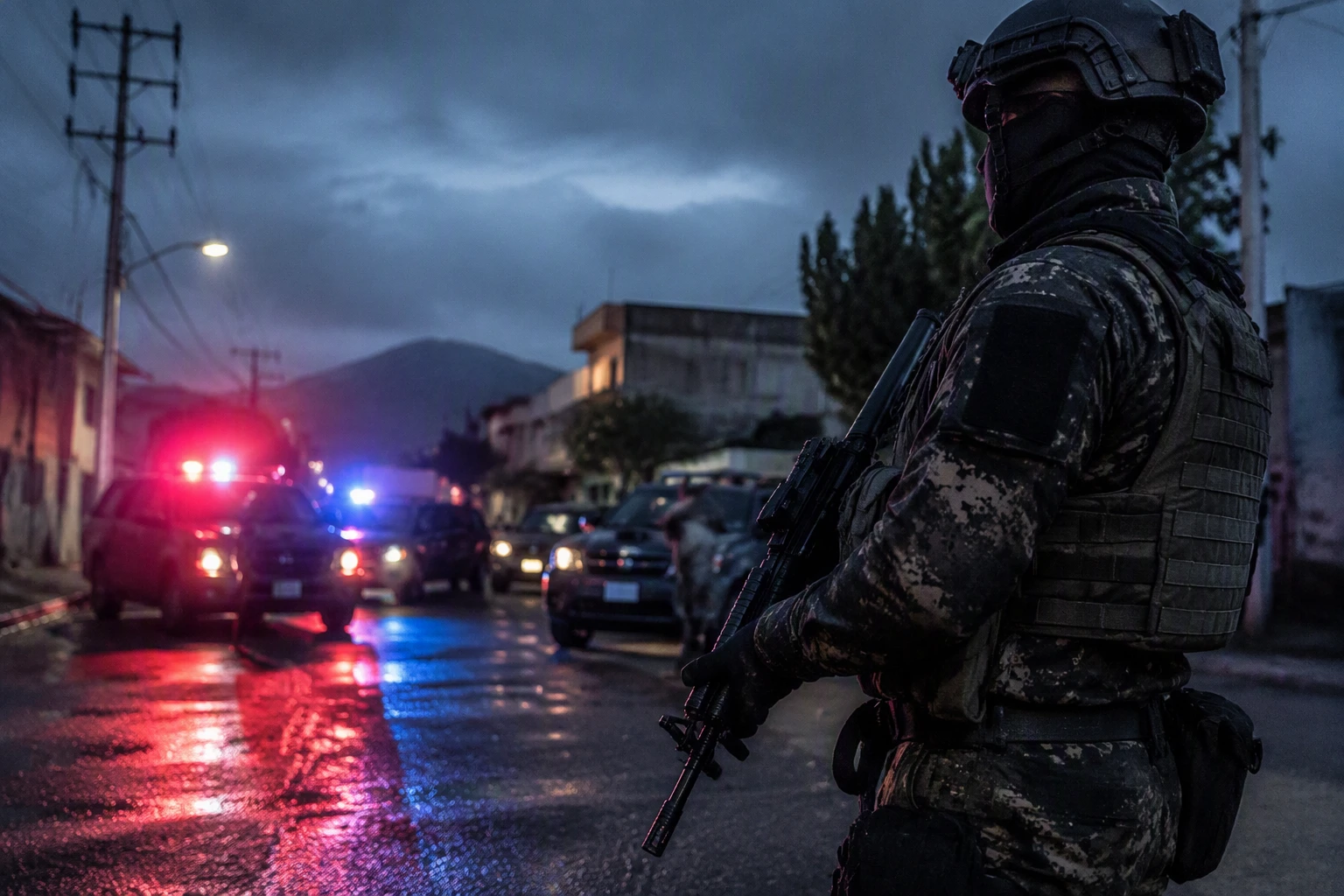
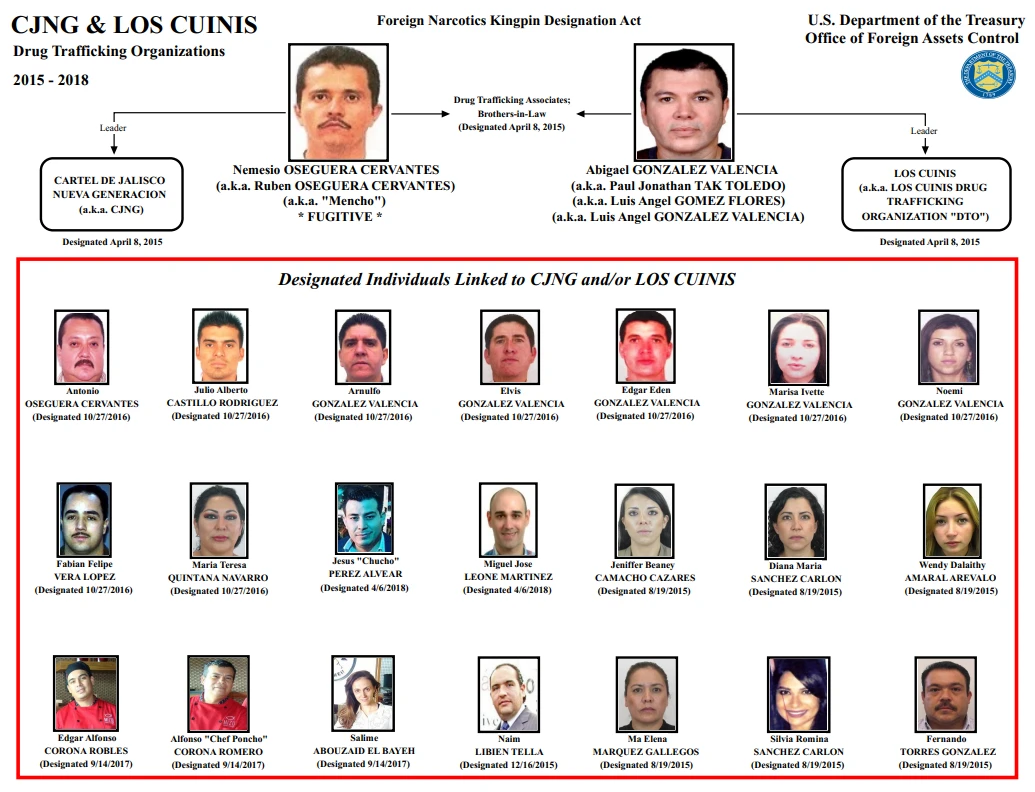
The new charges also fit a broader escalation that predates this week’s announcement. On June 18, 2025, the Treasury Department’s Office of Foreign Assets Control designated five Mexico-based CJNG leaders, and the State Department said it was sanctioning CJNG leaders as specially designated global terrorists. Treasury later described that package as its largest action ever targeting CJNG, a sign that Washington has been layering sanctions onto criminal cases in an attempt to squeeze the organization from multiple directions.
Justice Department materials show the department had already announced 15 indictments against CJNG leaders as part of coordinated enforcement efforts, underscoring how central the cartel has become to federal narcotics strategy. The pattern reflects a push to hit command structures, finances and cross-border logistics at the same time, rather than relying only on arrests of traffickers who are easier to replace.
The case lands amid the continuing U.S. overdose crisis and persistent friction over how much pressure Washington can place on Mexico without triggering sovereignty fights. Every major cartel case requires some level of cross-border evidence sharing, and CJNG’s use of encrypted communications, small-batch shipments, drone surveillance and corrupt intermediaries makes the command structure harder to disrupt. A later DEA action on Sept. 29, 2025, in which agents said they seized a million counterfeit pills and 77,000 kilograms of drugs in five days, showed that federal pressure on the cartel has remained intense.
Sources
- [1]reuters.com
- [2]usatoday.com
- [3]justice.gov
- [4]state.gov
- [5]home.treasury.gov
- [6]dea.gov
- [7]complianceconcourse.willkie.com