Entertainment
Justice Department clears Paramount Skydance’s $110 billion Warner Bros. deal
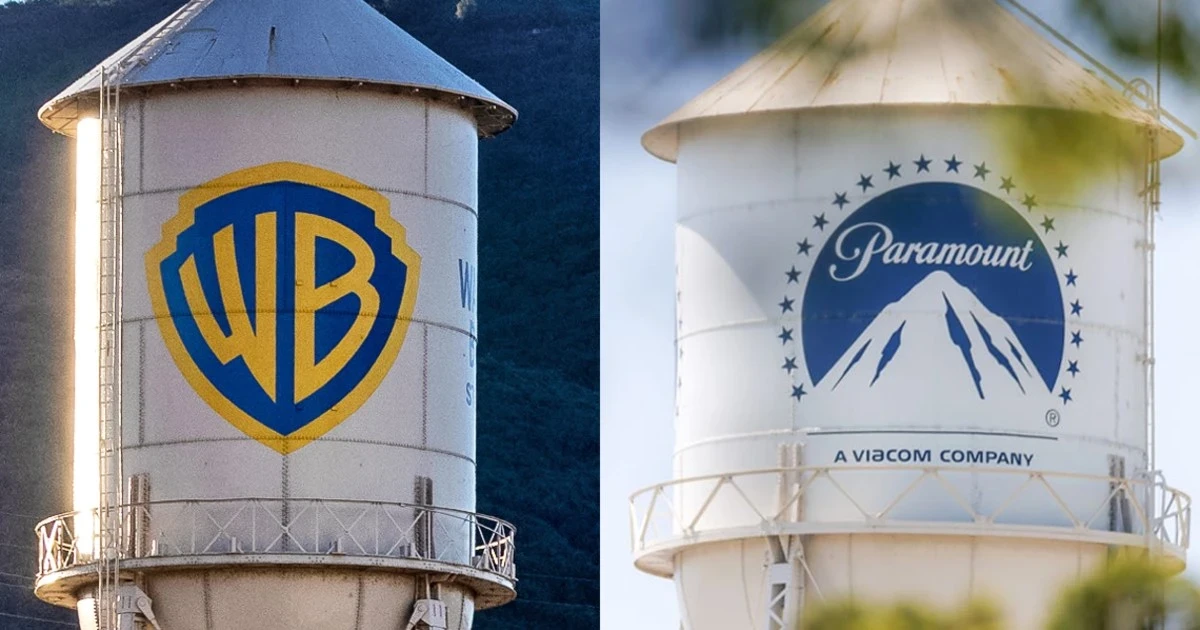
The Justice Department cleared Paramount Skydance’s $110 billion bid for Warner Bros. Discovery, removing a major antitrust hurdle for a merger that would put some of the most powerful names in film, television, streaming and news under one corporate roof.
The approval, granted by the Antitrust Division without required divestitures or other concessions, gives David Ellison and Paramount Skydance a crucial green light as they push to combine Paramount Pictures, CBS, Paramount+, Nickelodeon, Warner Bros. Pictures, HBO, CNN, Discovery Channel and Max. The companies have cast the deal as a response to streaming giants such as Netflix, Amazon, Apple and YouTube, but the scale of the combination also underscores how much power would concentrate in one media empire.

The definitive merger agreement was announced on February 27, 2026, with Paramount agreeing to pay $31.00 in cash for each outstanding Warner Bros. Discovery share. In company materials, the transaction has been framed at about $110 billion in enterprise value, a number that reflects just how much Hollywood is being remade by consolidation across studios, streaming services, sports rights and news assets.
For consumers, the practical consequences could be immediate. A combined library spanning HBO, Max, Paramount+, CBS and Warner Bros. could make the service bundle more attractive, but it also could give the new company more leverage over subscription pricing, distribution deals and content windows. For workers, the merger raises the prospect of overlapping operations being trimmed as executives search for savings, a familiar pattern in large media combinations that often leads to layoffs in programming, marketing, finance and local operations.
The deal also has broader implications for bargaining power in Hollywood. A company that controls both major film studios and high-profile news and entertainment brands would enter negotiations with cable distributors, advertisers, talent agencies and production partners from a stronger position. That kind of concentration is exactly what critics say can narrow the range of independent voices and make it harder for smaller creators and local communities to compete for attention and funding.
Warner Bros. Discovery shareholders approved the transaction last month, even as proxy adviser ISS urged investors on June 8 to vote against executive pay and exit packages tied to the merger. State attorneys general are still considering legal challenges, and several states are reportedly preparing suits that could slow or block the transaction despite the federal approval.

For the Biden-era antitrust posture now carrying into 2026, the move signals a willingness to let giant media combinations proceed when they are framed as competitive responses to Big Tech. It leaves open the harder question for viewers, workers and creators: whether this new scale will deliver better programming, or simply a more concentrated marketplace with fewer checks on price, access and power.
Sources
- [1]nbcnews.com
- [2]politico.com
- [3]cnbc.com
- [4]bloomberg.com
- [5]paramount.com
- [6]msn.com
- [7]upi.com