Politics
Justice Department monitors Arizona polling sites in primary election counties
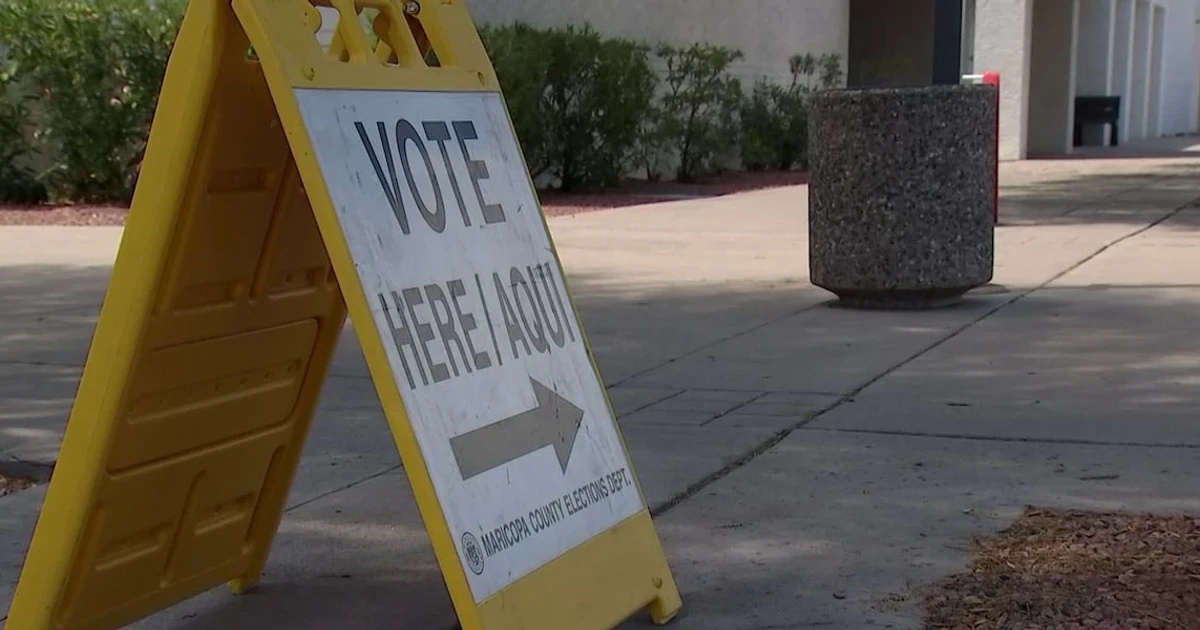
The Justice Department sent federal monitors to polling sites in three Arizona counties as voters cast ballots in the state’s primary elections, placing Maricopa County, Pima County and Apache County under federal election watch.
The department’s Civil Rights Division says federal observers are used to monitor compliance with federal voting rights laws. In practice, that means Justice Department personnel can be deployed to polling places to watch for conduct that could interfere with voters, especially intimidation or other violations that could affect access to the ballot.
Arizona election guidance from Secretary of State Adrian Fontes puts the same issues front and center, stressing polling place conduct and preventing voter intimidation. That overlap matters in a state where the integrity of the voting line has become as politically sensitive as the vote itself. Federal monitoring is meant to reinforce the rules already in place, not replace local election administration.
The move also comes against the backdrop of recent security scares in Arizona elections. On Election Day in 2024, officials said hoax Russian bomb threats targeted four polling sites in the state, a reminder of how quickly false threats can disrupt the atmosphere around voting even when no physical danger materializes. In that setting, the presence of federal observers can reassure some voters that authorities are watching closely, while also signaling that election security remains a live concern.
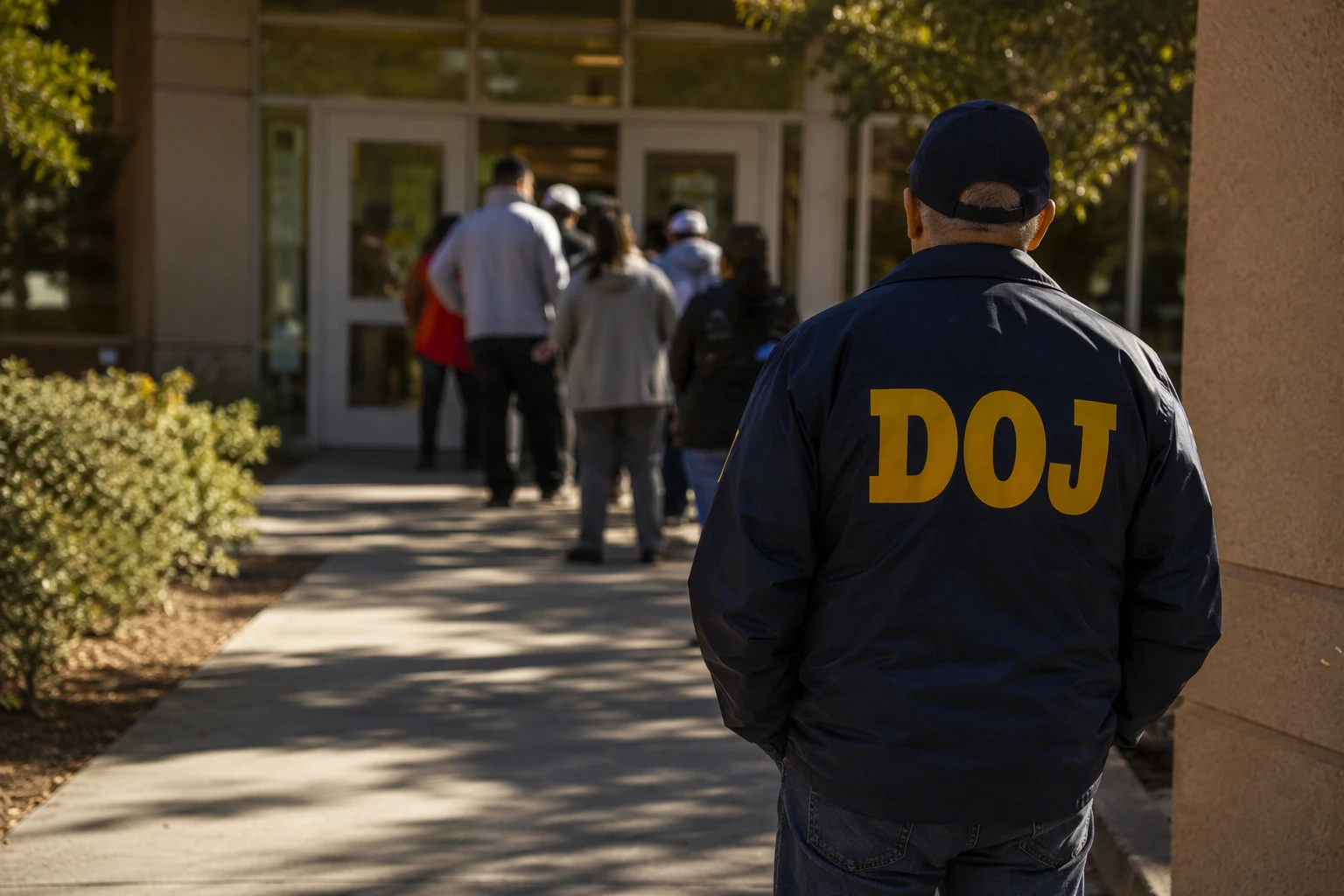
The Arizona monitoring fits a broader federal pattern. A separate Justice Department announcement for the November election said monitors would be sent to Apache County, Maricopa County, Pima County and Yuma County, showing the state has remained a recurring focus for federal election oversight. Arizona has also seen federal monitors deployed in past general election cycles, reflecting a long-running federal role in areas where election administration, voter access and intimidation concerns can intersect.
For voters, the monitors are not there to run the election. Their job is narrower and more specific: observe polling place conditions, check compliance with federal voting rights law and help document whether the basic protections around the ballot are being followed. In a state where threats and partisan conflict have repeatedly tested confidence in the process, that oversight has become part of the election landscape itself.
Sources
- [1]cbsnews.com
- [2]justice.gov
- [3]azsos.gov
- [4]azmirror.com
- [5]azfamily.com
- [6]ktar.com