US News
Justice Department says it released all Epstein files, CBS finds gaps
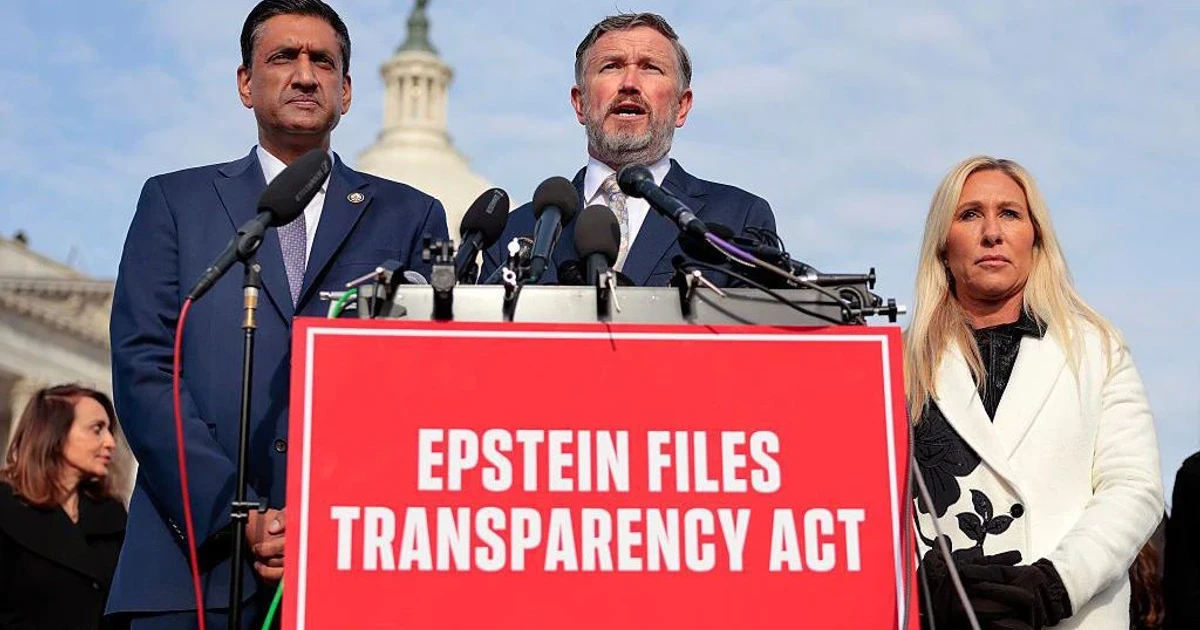
The Justice Department says it has complied with the Epstein Files Transparency Act, but the public record still shows gaps that go to the heart of what full disclosure means. Congress ordered the department to publish all unclassified Epstein-related records in searchable, downloadable form within 30 days, yet records tied to Ghislaine Maxwell, flight logs, immunity deals, internal charging discussions, concealment of files and even Epstein’s detention or death remain the focus of fresh scrutiny.
The law, enacted as Public Law 119-38 on Nov. 19, 2025, was designed to limit secrecy, not expand it. It barred redactions for embarrassment, reputational harm or political sensitivity, allowing only narrow withholding for victim privacy and certain active-investigation concerns. Still, the Justice Department told CBS News that it has released every document required by the law and said the unreleased 3 million documents were duplicates, unrelated material or protected by privilege.
That explanation has not quieted the debate. CBS reported that the department had identified more than 6 million potentially responsive pages before releasing about 3 million additional pages on Jan. 30, 2026. House Judiciary Democrats later said the department had released only about half of the estimated pages and that more than 200,000 pages were redacted or withheld. They have asked to review the full files, arguing that Congress cannot assess compliance without seeing what remains behind the curtain.
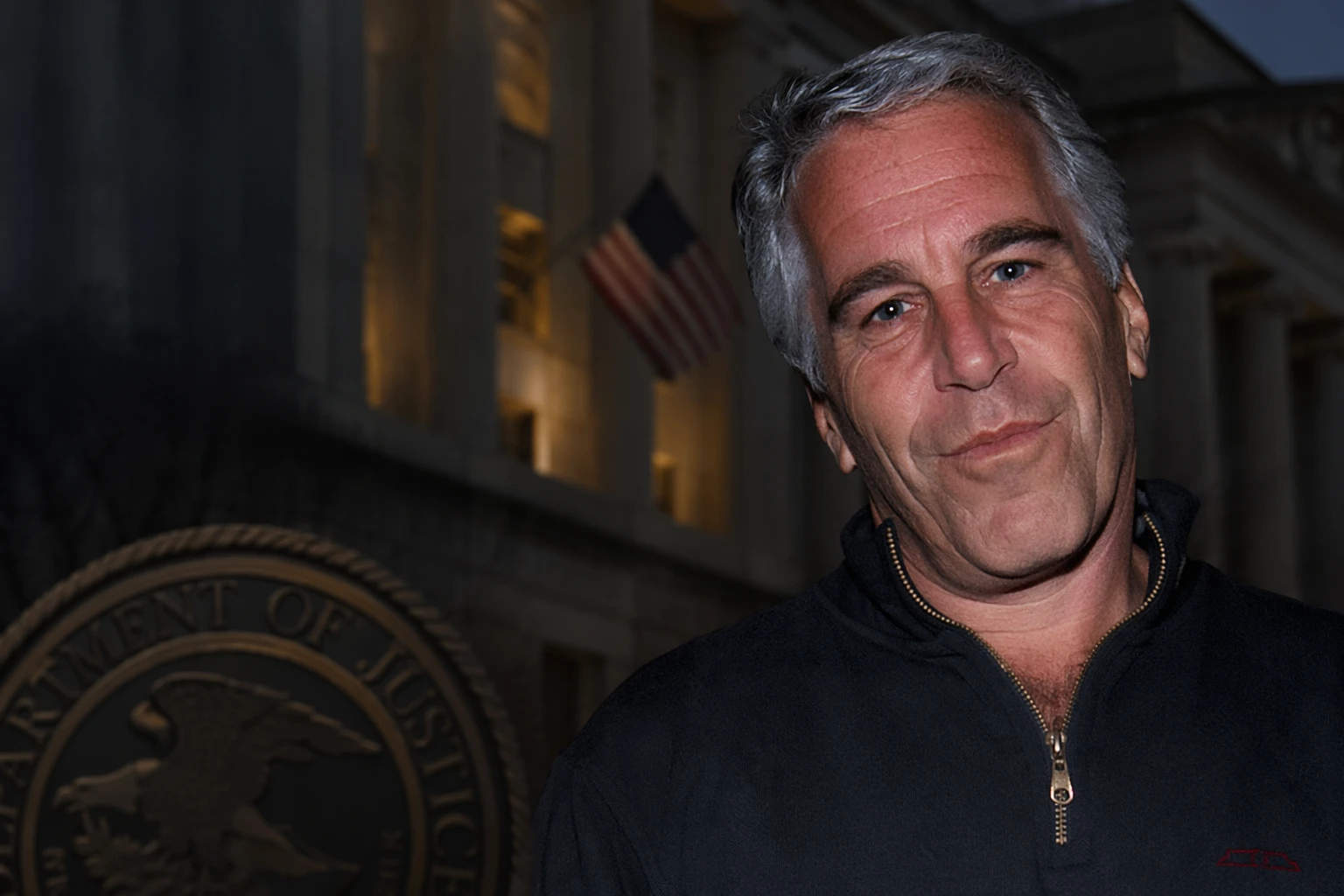
The redaction pattern has become a central issue. CBS reported more than 550 pages in an early release were entirely blacked out, and at least 15 newly released files later disappeared from the Justice Department website before being reposted or restored. In some cases, names of business contacts and acquaintances were blacked out without an obvious statutory basis and later restored after CBS inquired. In one example, a text in which Epstein sent Steve Bannon a link to an article included a photo with Bannon’s face blacked out, even though that image had already been posted publicly.
The disputes now extend beyond the files themselves to oversight of the release process. The Government Accountability Office has opened an investigation into the blackouts at the request of several members of Congress. Separately, the Justice Department’s Office of the Inspector General said on April 23, 2026, that it would audit compliance with the law, including how records were identified, redacted and published and how post-release publication problems were handled.

Rep. Robert Garcia, the top Democrat on the House Oversight Committee, said that if the pages are duplicates, “OK, that’s fine, let’s see them.” He added, “I think what people need to understand is … we’re not sure what’s in the 3 million.”
What started as a fight over release has turned into a test of whether the government can define disclosure in a way the public can trust. The unanswered question is no longer whether Epstein records were posted, but what their omissions say about who still controls the story.
Sources
- [1]cbsnews.com
- [2]congress.gov
- [3]justice.gov