Politics
Justice Department seeks state voter rolls in noncitizen voting crackdown
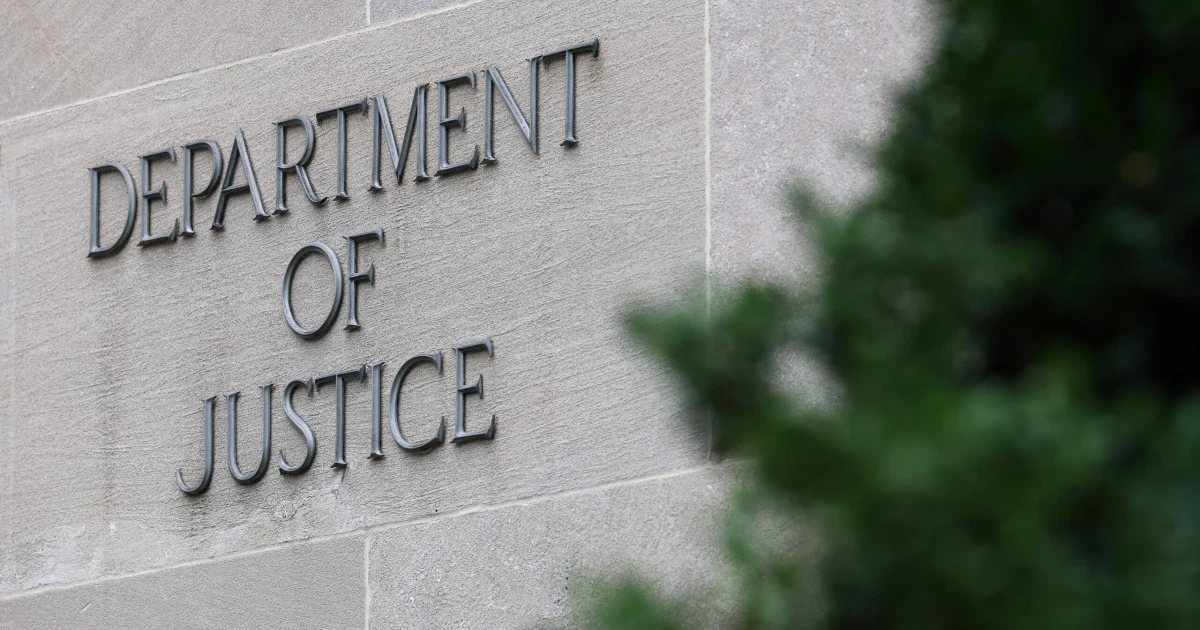
The Justice Department had demanded statewide voter registration lists from at least 48 states and Washington, D.C., pressing election officials for driver’s license numbers and partial Social Security numbers as it escalated a noncitizen voting crackdown. The Brennan Center for Justice said the federal government had sued Washington, D.C., and 30 states after they refused to hand over full lists, and that 11 of those lawsuits had already been dismissed.
At least 16 states had either provided or said they would provide the full statewide voter rolls, while others resisted or limited what they turned over. The requests have put election administrators in the middle of a widening legal fight over what data Washington can demand and how far it can go in collecting records that states have traditionally managed themselves.
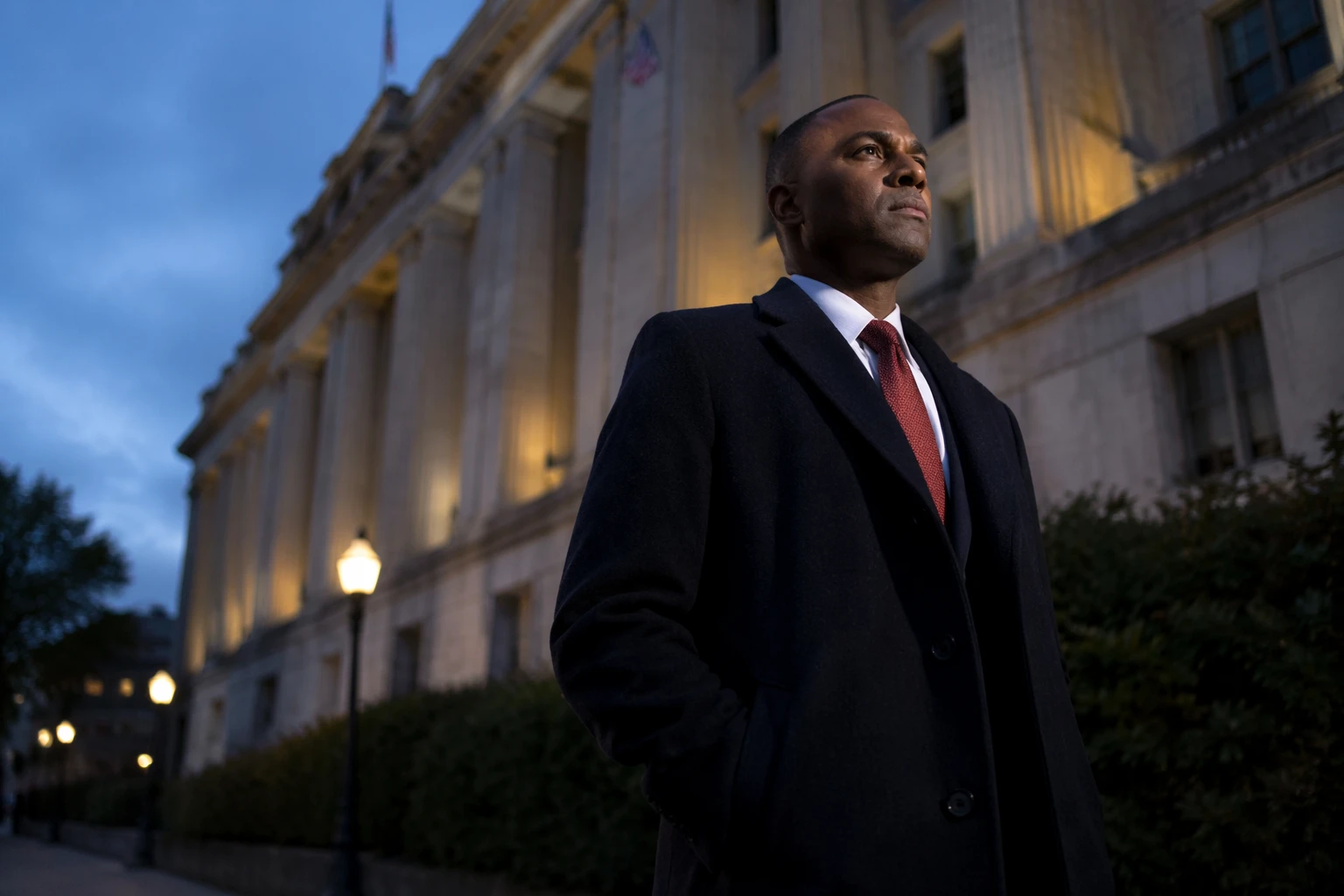
A May 12, 2026, memorandum opinion from the Justice Department’s Civil Rights Division said the agency had authority to seek statewide voter lists and to share them with the Department of Homeland Security to identify people it believed were ineligible to vote. That opinion cited President Donald Trump’s executive order directing the attorney general to prioritize enforcement against noncitizen voting. In March, Justice Department attorney Eric Neff told a federal court in Rhode Island that the voter data would be shared with Homeland Security, even as the department denied it was building a national voter database.
The campaign has run headlong into the evidence. The Center for Election Innovation & Research said in a February 2026 update that sweeping allegations of noncitizen registrations or voting often come from misunderstandings, mischaracterizations or outright fabrications, and that when claims are scrutinized and properly investigated, the number of alleged cases falls drastically. That gap between the political claim and the documented record has fueled backlash from state officials and voting-rights advocates, who say the federal government is intruding on state control of elections and exposing sensitive voter information to new privacy and security risks.
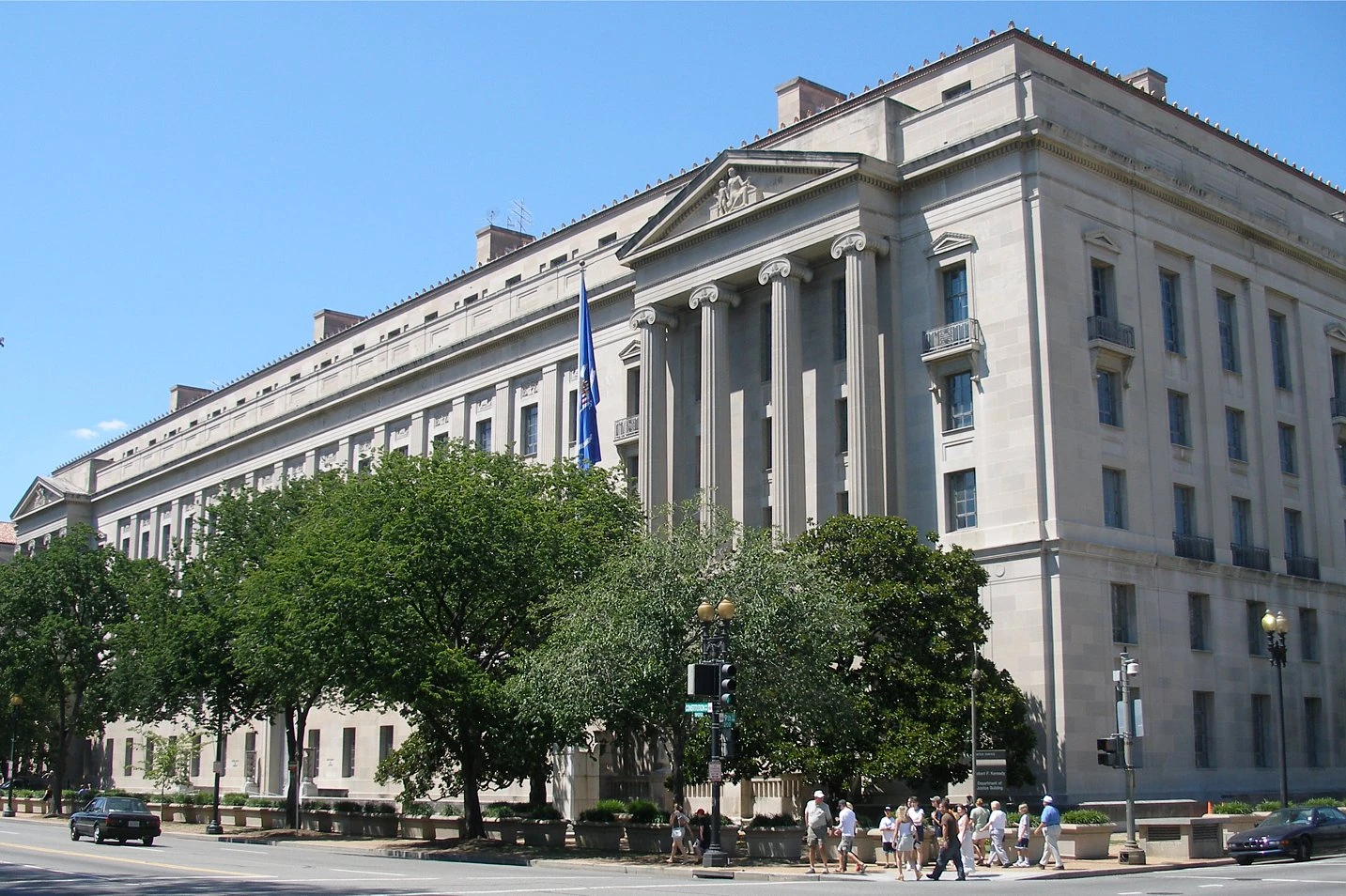
The stakes will sharpen as the November 3, 2026, general election approaches. The Associated Press says the midterms will determine control of both chambers of Congress, and the Justice Department’s drive to recast voting rules through federal pressure is already forcing states to decide whether to comply, fight in court or surrender some of the most sensitive data in their election systems.
Sources
- [1]nytimes.com
- [2]brennancenter.org
- [3]justice.gov
- [4]stateline.org
- [5]electioninnovation.org
- [6]apnews.com