US News
Justice Department Seeks to Dismiss Bannon Conviction
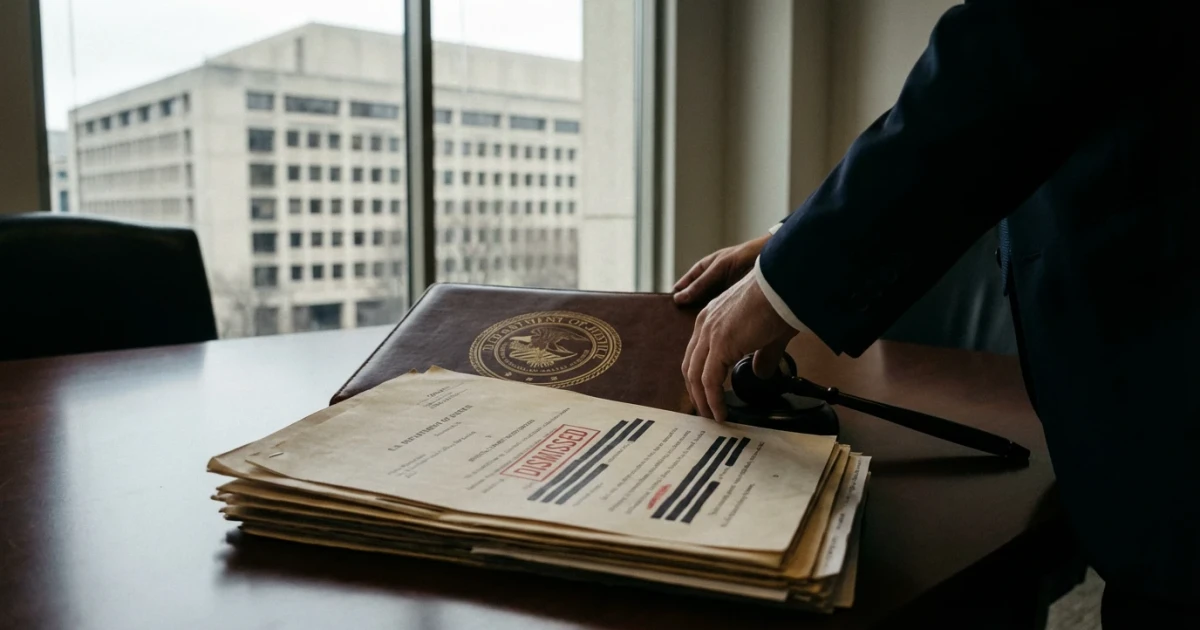
The U.S. Department of Justice has filed a motion to dismiss the criminal contempt of Congress conviction against Steve Bannon, a prominent ally of former President Donald Trump, marking a significant shift in the legal proceedings stemming from the House’s January 6 investigation.
Background on Bannon’s Contempt Conviction
Bannon was found guilty in 2022 of criminal contempt of Congress for refusing to comply with a subpoena issued by the House Select Committee investigating the January 6 attack on the U.S. Capitol. The committee was tasked with investigating the causes and consequences of the Capitol riot and sought testimony and documents from Bannon regarding his communications with Trump and involvement in events leading up to January 6, 2021.
Bannon’s conviction was seen as a notable example of Congress exercising its power to enforce subpoenas, a mechanism outlined in congressional research on enforcement procedures. He was sentenced to four months in prison, though the sentence was put on hold as he appealed the decision.
DOJ’s Motion to Dismiss
On February 9, 2026, the Justice Department formally requested the court to dismiss Bannon’s conviction, as reported by NBC News. The department’s motion, which follows a federal appeals court decision, seeks to vacate the conviction and wipe out the sentence. The DOJ’s filing pointed to developments in the legal landscape regarding executive privilege and congressional enforcement powers, though specific legal reasoning was not fully detailed in the initial reports.
The official motion, available for public review, outlines the government’s arguments and references relevant case law. Readers can examine the DOJ motion to dismiss for in-depth legal analysis. The move comes after the Department’s earlier announcement of Bannon’s conviction, which had been highlighted in a DOJ press release.
Legal and Political Context
Bannon’s case is one of several high-profile prosecutions arising from the January 6 investigation. His refusal to testify and provide documents to the committee was viewed as a direct challenge to congressional authority. According to Congressional Research Service analysis, criminal contempt citations are rare and their enforcement can raise complex questions about the balance of power among branches of government.
The decision to seek dismissal of Bannon’s conviction may reflect evolving interpretations of the law on executive privilege and congressional oversight, or strategic considerations by the Justice Department as legal appeals progress. The move does not necessarily set a broad precedent, but it is likely to influence ongoing debates over how Congress enforces its subpoenas.
What’s Next for Bannon and Congressional Enforcement
If the court grants the Justice Department’s motion, Bannon’s conviction would be erased, and the threat of imprisonment would be removed. The development could also impact how future witnesses respond to congressional subpoenas and how Congress seeks to enforce its investigative authority.
For readers interested in the broader context, federal judicial caseload statistics provide insight into how frequently criminal contempt cases are filed and resolved compared to other federal offenses. The interplay between legislative oversight, executive privilege, and the courts remains a contested area of American law and governance.
As the legal process continues, observers will be watching for the court’s response to the DOJ’s motion and for any implications the decision may have for congressional investigations and the prosecution of contempt cases moving forward.