Politics
Justice Department takes aggressive role in state election disputes
The Justice Department has moved from a largely reactive guardian of ballot access to an aggressive enforcer of election paperwork, pressing states for voter-registration files, sensitive personal data and records reaching back years. Under Donald Trump, the department has tied that push to his March 25, 2025 executive order, which said states must safeguard elections from fraud and illegal voting and directed federal officials to demand compliance with federal election laws.
That shift is visible across the country. In North Carolina, the department filed a lawsuit over voter-registration records. In Arizona and Wisconsin, it sent warning letters to state election officials over possible administrative violations. In Colorado, it demanded election records going back to 2020. The actions marked a sharp change from the Justice Department’s traditional posture, which had generally focused on protecting access to the ballot box and pursuing major federal voting-rights violations rather than diving into day-to-day state election administration.
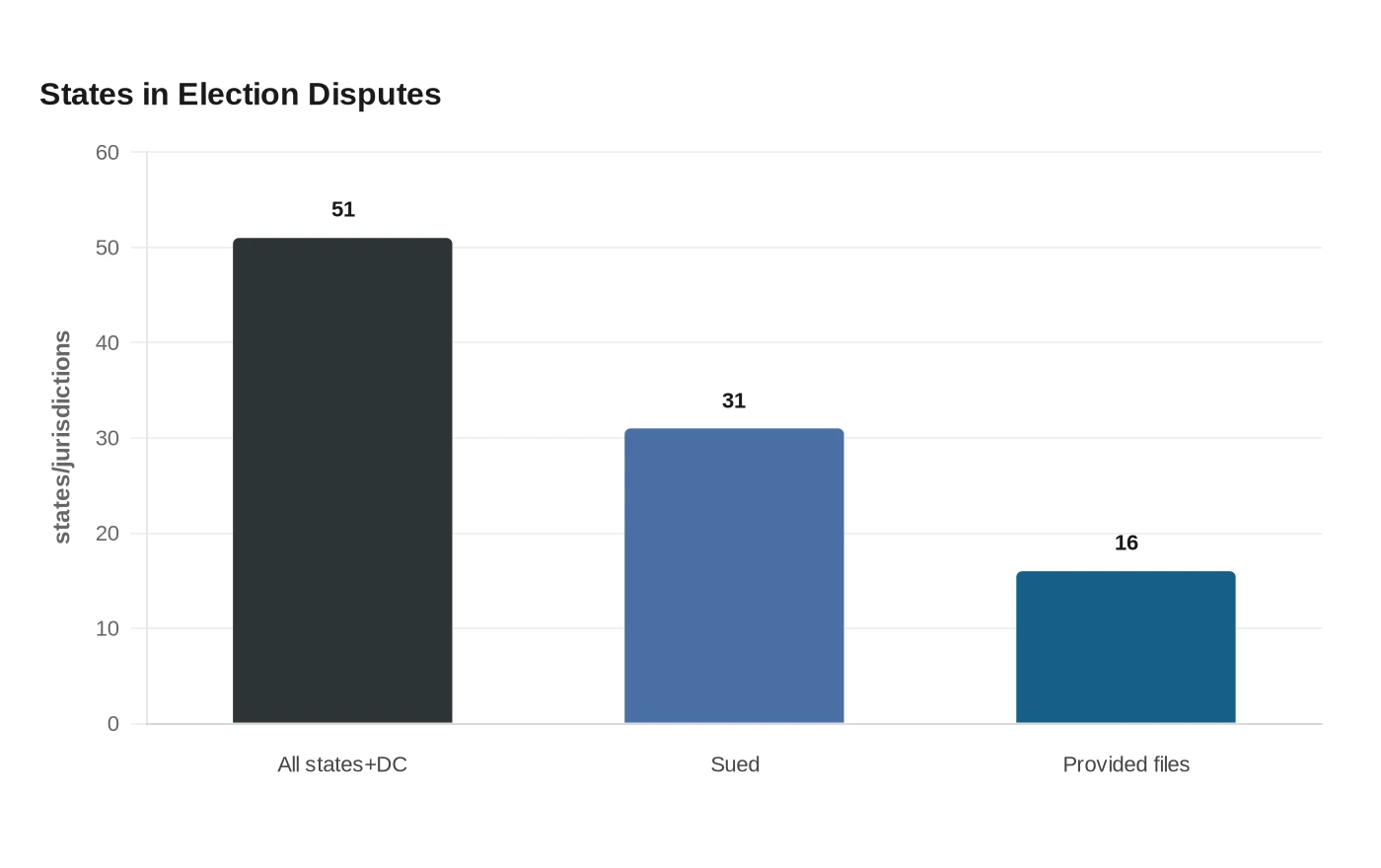
The scope of the requests has widened. NBC News reported on May 7, 2026 that the department was seeking voter-registration list data from all 50 states and Washington, DC, including names, dates of birth, residential addresses, driver’s license numbers and the last four digits of Social Security numbers. The Brennan Center for Justice said that since May 2025, the department has demanded election-related records and data from nearly every state and Washington, DC, and has sued 30 states and Washington, DC, for refusing to hand over statewide voter-registration lists. At least 16 states have either provided full voter files or said they would do so.
Election-law veterans say the legal theory is plausible in parts, but still a major stretch in practice. David Becker has described the department’s posture as a departure from focusing on major violations of federal law. Justin Levitt has said most of the demands are technically plausible, while the Colorado request stands out as the notable exception. State officials and voting-rights advocates have warned that collecting full voter files raises privacy and security risks and pushes against the states’ constitutional authority to run elections.
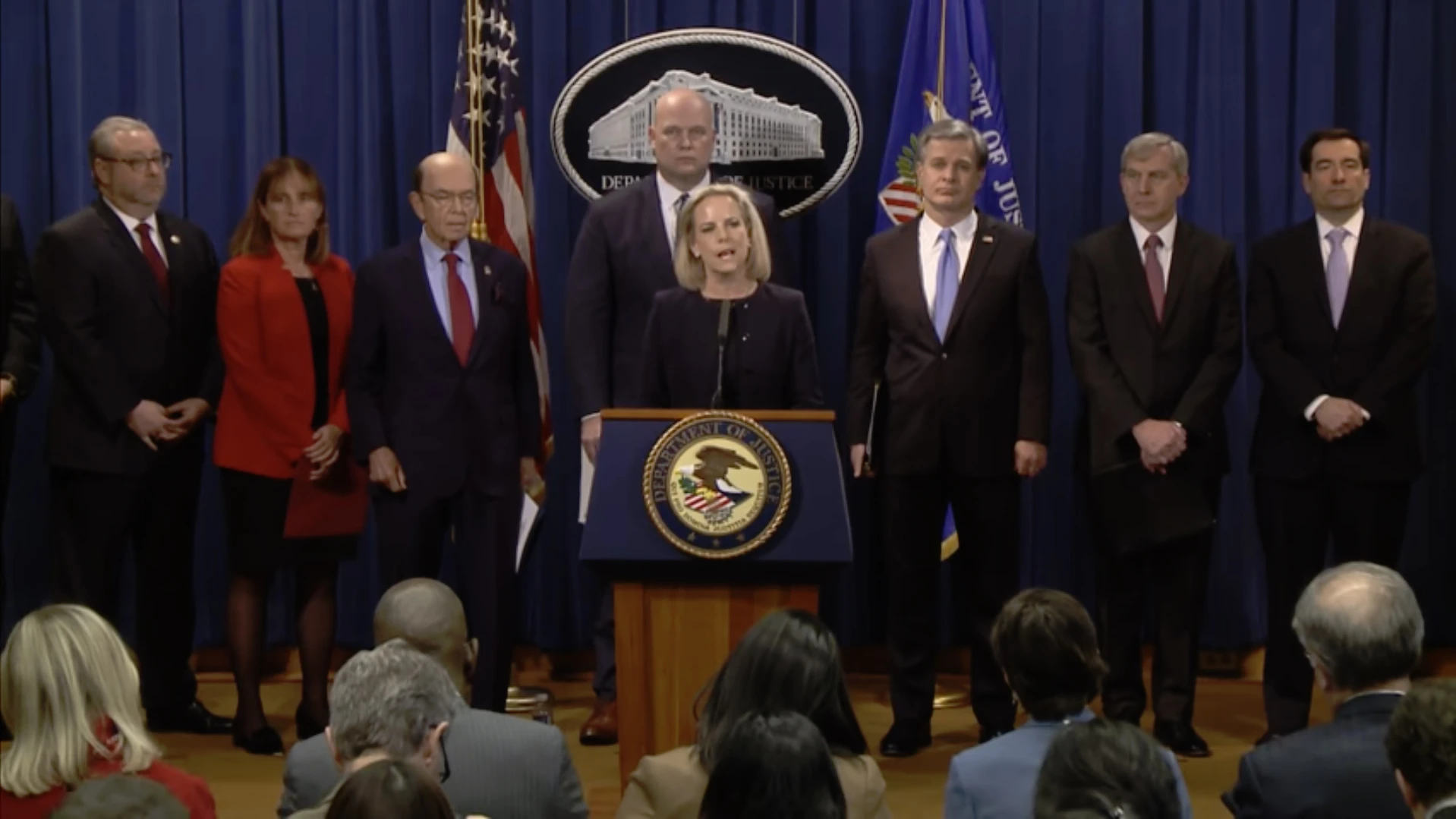
The institutional break extends beyond litigation. NOTUS reported on June 8, 2026 that the Justice Department canceled election-integrity training for prosecutors and FBI agents, deleted a 281-page guide to prosecuting election offenses, fired most of the lawyers in its Public Integrity Section and failed to replace the director of its Election Crimes Branch. It also had not set up the Election Day command center that has historically handled voter intimidation, disinformation and other emergencies.
The result is a Justice Department that is testing the outer limits of federal power in state election disputes just as Trump continues to falsely claim the 2020 election was stolen. With the midterm cycle approaching, the fight is no longer just over records and procedures. It is over who controls the machinery of American elections.
Sources
- [1]nytimes.com
- [2]wccbcharlotte.com
- [3]brennancenter.org
- [4]nbcnews.com
- [5]notus.org
- [6]govinfo.gov