US News
Justice Department Targets 17 in Citizenship Revocation Effort
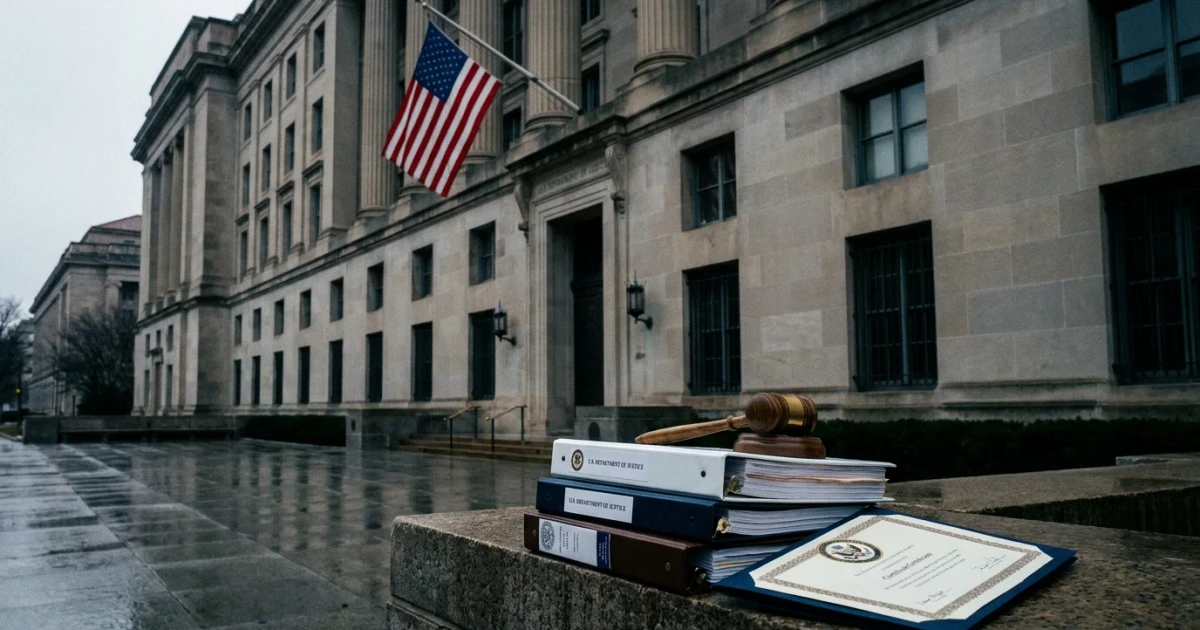
The U.S. Justice Department has launched proceedings to strip citizenship from 17 naturalized Americans, according to announcements confirmed by both Time Magazine and Reuters. This move represents one of the most significant single-day actions in recent denaturalization history and reflects the Trump administration's intensified focus on scrutinizing citizenship granted to immigrants.
Unprecedented Scope of Denaturalization Action
Both Time Magazine and Reuters reported that the Justice Department initiated these cases on June 8, 2026, targeting individuals accused of illegally obtaining their U.S. citizenship. The government claims that each of the 17 cases involves evidence of fraud or material misrepresentation during the naturalization process.
- The Justice Department described the effort as a significant step to enforce laws governing revocation of naturalization.
- Reuters highlighted that this action marks an unprecedented push for denaturalization, given the simultaneous targeting of 17 individuals.
Legal Background and Historical Context
The process of revoking citizenship—commonly known as denaturalization—has historically been rare and reserved for cases involving serious crimes, war crimes, or fraud. According to the Transactional Records Access Clearinghouse (TRAC), denaturalization cases averaged fewer than 20 annually in the past decade. The current action matches that annual average in a single coordinated move.
The U.S. government typically pursues denaturalization when evidence emerges that an individual lied or omitted essential facts during their immigration or naturalization process. Legal experts note that these cases can take years to resolve and often involve complex investigations.
Government Rationale and Policy Implications
The administration's decision to pursue these cases aligns with a broader trend of increased immigration enforcement. According to Reuters, officials described the move as necessary to protect the integrity of the naturalization process. The Justice Department stated that those targeted had "concealed material facts or committed fraud," making them ineligible for citizenship under U.S. law.
Time Magazine emphasized that this action reflects the Trump administration's policy priorities, focusing on rooting out fraud in naturalization and citizenship grants. The administration has previously announced initiatives to review thousands of old naturalization files for signs of fraud, raising concerns among some advocacy groups about the scope and fairness of such efforts.
Reactions and Broader Impact
While neither outlet included direct quotes from government officials or affected individuals, both noted that this mass filing could set a new precedent for denaturalization cases. Immigration lawyers and civil rights advocates have expressed concern in past reporting that aggressive denaturalization policies might chill lawful immigration and naturalization applications.
- Time Magazine observed that denaturalization can have severe consequences, including statelessness or deportation for those stripped of their citizenship.
- Reuters detailed that the current cases are expected to be closely watched by legal observers and immigrant communities alike.
What Comes Next?
The outcome of these 17 cases will likely influence future policy and enforcement practices. According to the Department of Justice's official case summaries, denaturalization proceedings can result in the loss of citizenship and, in many cases, removal from the United States.
Legal analysts believe that the courts will ultimately determine the merits of each case, and that the process could take months or even years to conclude. The high-profile nature of the filings may also prompt further debate about the scope and intent of denaturalization as a policy tool.
As the Justice Department's actions unfold, the cases will serve as a test of both the legal frameworks governing citizenship and the administration's commitment to enforcing immigration law. For those affected, the consequences could be profound, and for the broader public, the outcome may shape the boundaries of American citizenship for years to come.