World
K-pop spreads in North Korea despite ban and harsh crackdown
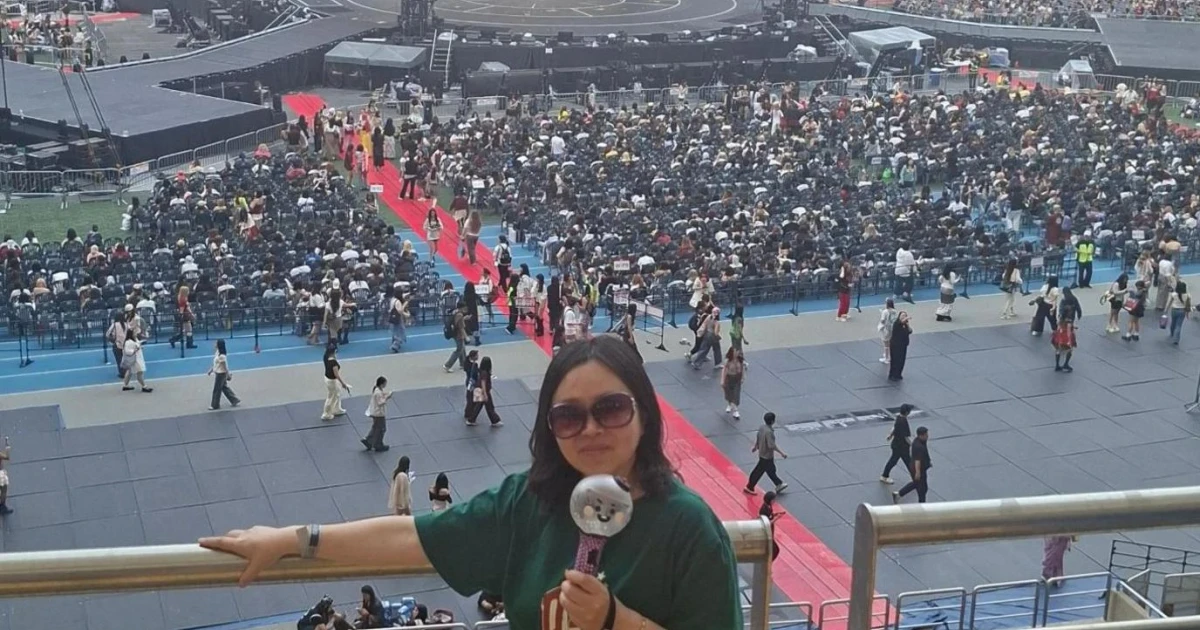
Yu Hyuk, a North Korean defector who left at age 13, became one of the most visible signs of how South Korean pop culture has slipped past Pyongyang’s controls. BBC World Service said in September 2024 that the 24-year-old was preparing to debut as an idol in 1VERSE, described as the first K-pop band to include North Korean members, and Reuters later reported that the group officially debuted on July 18, 2025.
That trajectory runs against the logic of the North Korean state. BBC coverage has said listening to South Korean pop culture, including K-pop, is punished inside North Korea, where the leadership treats outside entertainment as a political threat because it carries language, fashion and values that can weaken the monopoly on information. The problem for Pyongyang is not just music but access: once people hear what Seoul sounds like, the border between entertainment and dissent gets thinner.
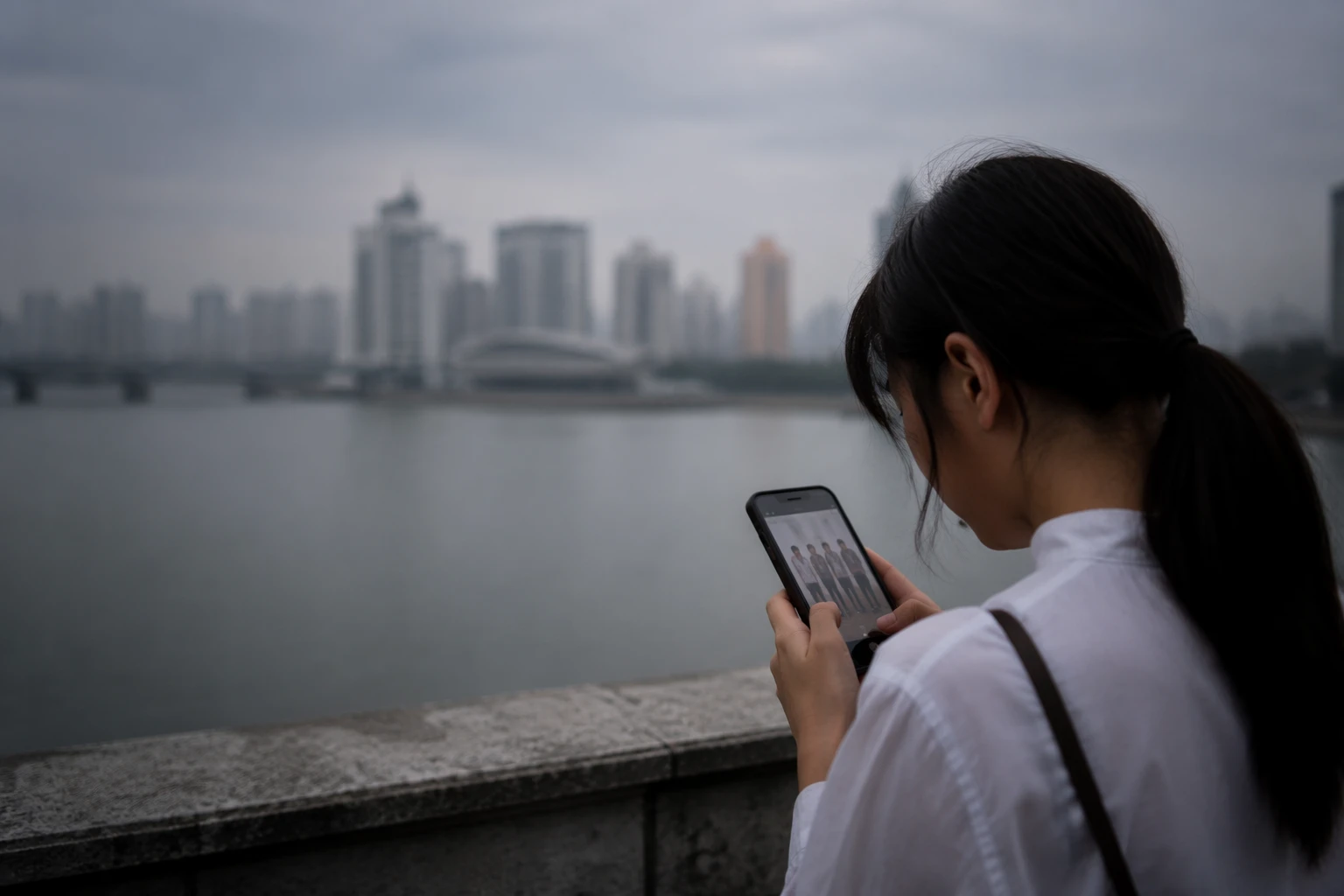
The crackdown on movement has only sharpened that dynamic. BBC reporting said North Korean defections to South Korea fell from 2,706 in 2011, the year Kim Jong Un came to power at age 27, to 1,127 in 2018. The same coverage said tighter border controls with China and higher smuggler fees were major reasons for the decline, and that authorities have made escape routes harder in recent years. Other reporting on defectors has said the restrictions intensified during and after the pandemic, adding another layer of isolation to a system already built on fear.

That isolation is part of what gives K-pop its force. Defectors have described life under Kim Jong Un as increasingly harsh and tightly controlled after more than a decade in power, and the spread of South Korean entertainment has become a crack in the regime’s information monopoly. In a country where even casual exposure to foreign pop culture can bring punishment, the genre functions as more than music: it is a carrier for slang, styling and the idea that life exists beyond the state’s script.
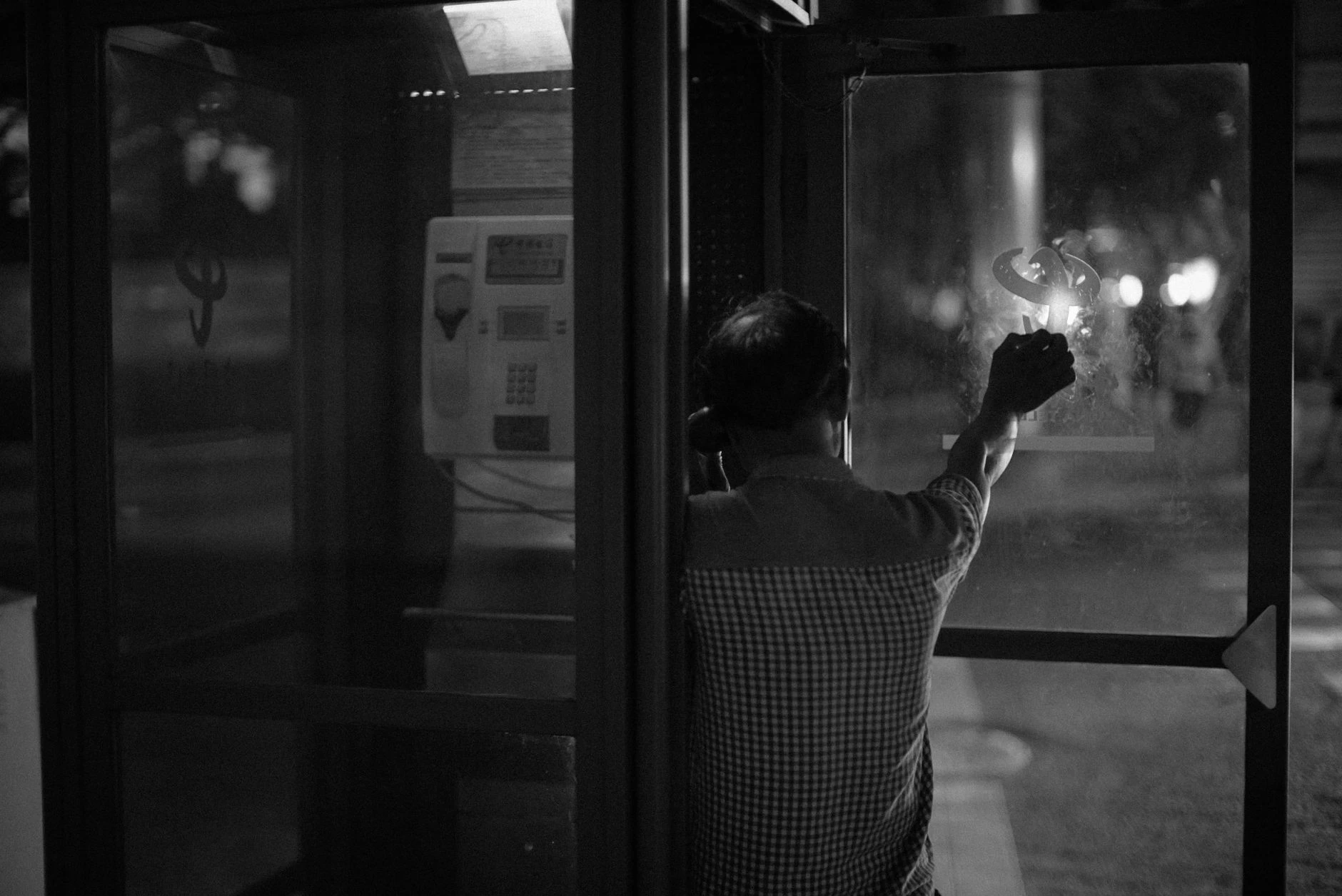
The appearance of defectors in South Korea’s public life has also become more visible. South Korea’s unification ministry said 211 North Korean defectors held public-sector jobs by the end of 2024, the highest figure to date. With two defectors in 1VERSE, the cultural flow has become even harder for Pyongyang to ignore, linking a banned soundtrack at home to a new generation of North Koreans building public lives in the South.
Sources
- [1]bbc.co.uk
- [2]youtube.com
- [3]bbc.com
- [4]reuters.com