Technology
K2-18b emerges as top candidate in search for alien life
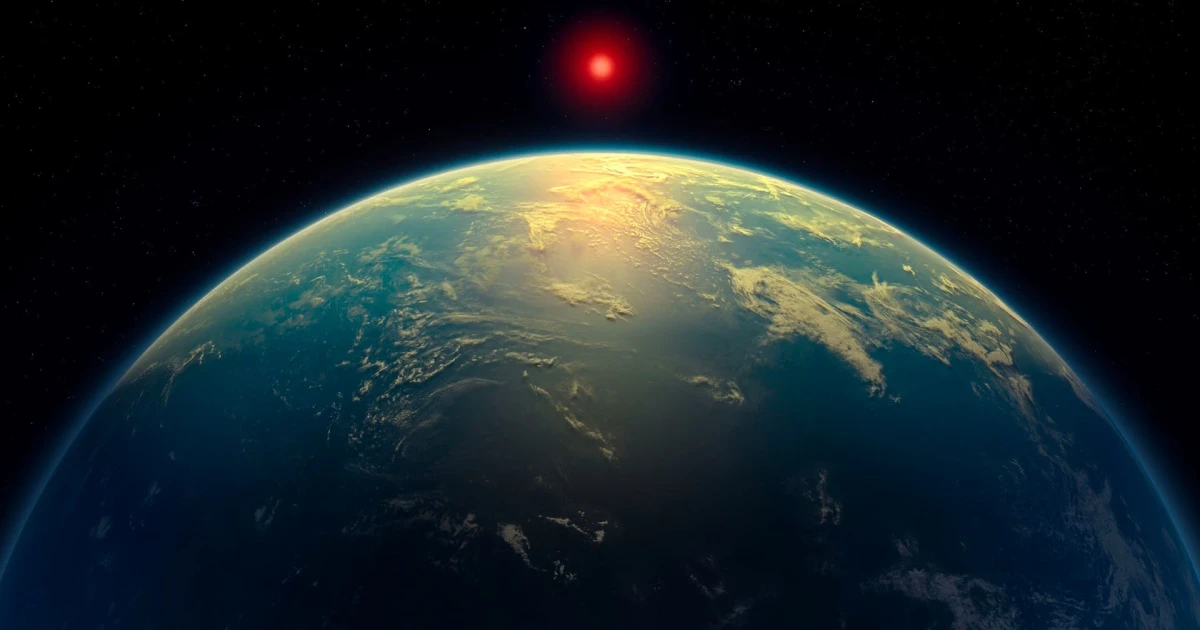
The University of Cambridge reported in April 2025 that the James Webb Space Telescope had picked up possible biosignature gases in the atmosphere of K2-18b, a temperate sub-Neptune about 120 light-years from Earth. The candidate molecules included dimethyl sulfide, or DMS, and possibly dimethyl disulfide, or DMDS, pushing the planet higher on the list of worlds being watched for signs of life.
K2-18b has already stood out because it orbits an M dwarf star in that star’s habitable zone, where temperatures could allow liquid water under the right conditions. NASA and the European Space Agency announced in September 2023 that Webb had detected methane and carbon dioxide in the planet’s atmosphere, the first clear evidence that the planet has an atmosphere at all. That made K2-18b the first potentially habitable world known to host an atmosphere, a major step for exoplanet science because astronomers can now study the chemistry of a planet that sits in a zone where life-friendly conditions are at least plausible.
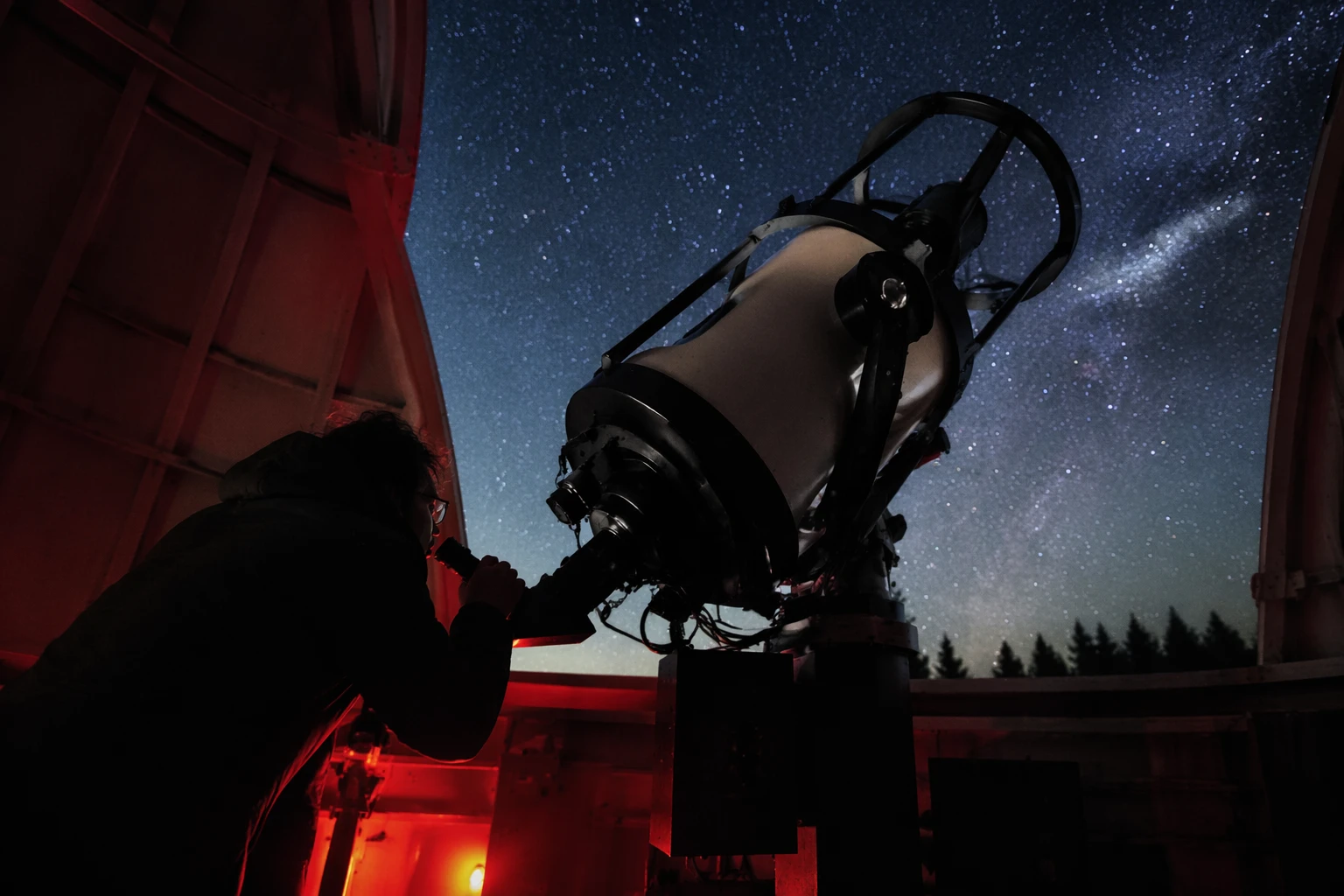
That promise comes with a long list of caveats. Scientists say the latest signals are intriguing but tentative, and many experts remain skeptical that K2-18b has a surface where life could exist. A 2024 paper in Nature Astronomy argued that the Webb observations could be explained by a gas-rich mini-Neptune with no habitable surface, rather than by an ocean world. That interpretation matters because a thick, hydrogen-rich envelope would change the planet from a possible Earth-like target into a much less promising place to look for biology.
The debate has turned K2-18b into one of the clearest tests of how exoplanet biosignatures should be judged. Astronomers say a claim of life will require multiple lines of evidence and independent verification, not a single molecule or one telescope campaign. Webb’s results have shown that researchers can now probe atmospheric chemistry on worlds hundreds of trillions of miles away, but they have also underscored how hard it is to separate a possible biological signal from a non-biological one.
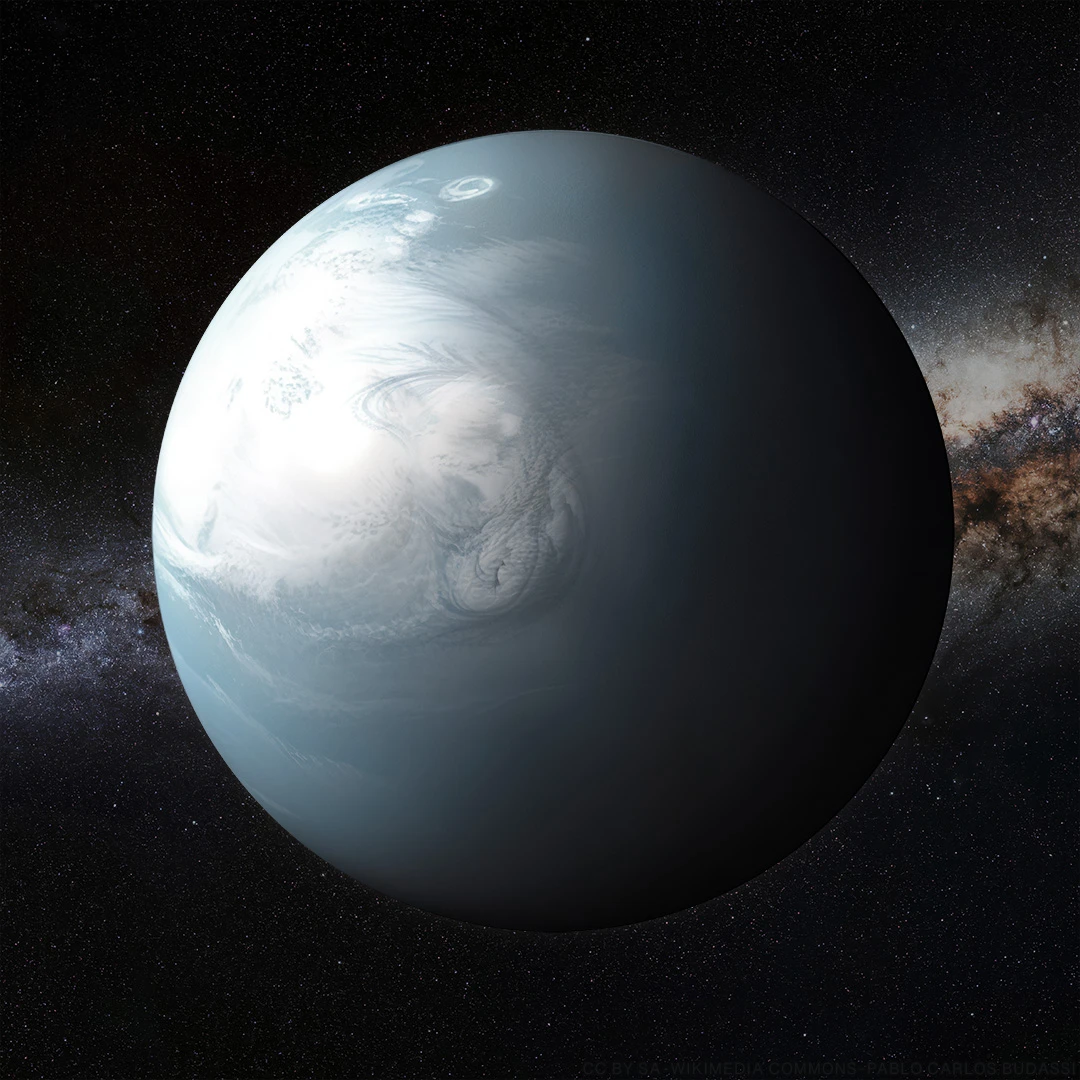
That is why K2-18b has become one of the leading current targets in the search for life beyond the solar system. The planet’s atmosphere, its location in the habitable zone and the repeated detection of carbon-bearing molecules make it unusually compelling. Whether it is truly habitable, or inhabited, remains an open question that only further observations can answer.
Sources
- [1]nytimes.com
- [2]science.nasa.gov
- [3]esa.int
- [4]cam.ac.uk
- [5]aasnova.org
- [6]ui.adsabs.harvard.edu
- [7]astro.arizona.edu