Politics
Kaine backs bipartisan guardrails after Pentagon leadership shakeup
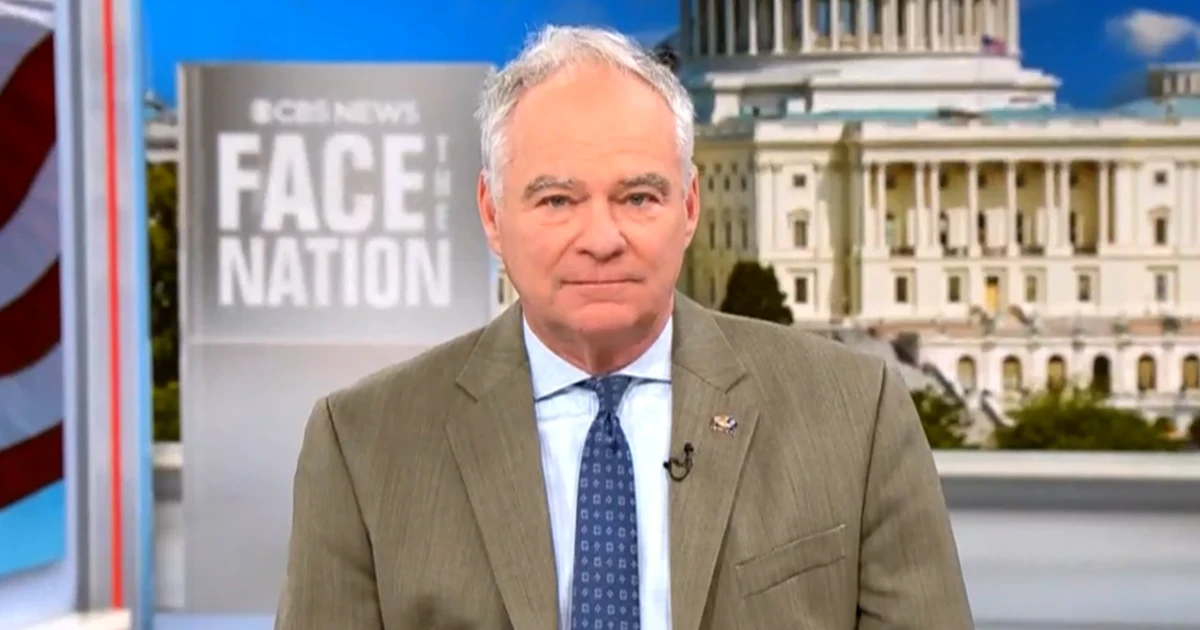
Democratic Sen. Tim Kaine said Sunday that bipartisan guardrails on Pentagon firings could win support after Gen. Christopher Donahue’s abrupt exit, as lawmakers weigh how to protect civilian control, military continuity and congressional oversight no matter which party is in power. The Virginia senator made the case on Face the Nation with Margaret Brennan as the Army prepared for Donahue to relinquish command on July 2, 2026.
Donahue led U.S. Army Europe and Africa and also commanded NATO’s Allied Land Command, making his departure especially visible inside both the Pentagon and the alliance structure in Europe. The Army said Maj. Gen. Christopher Norrie, the deputy commander of U.S. Army Europe and Africa, will perform the duties of commanding general in the interim, but it did not publicly give a reason for the abrupt change. That silence has fed the broader backlash around the reshuffling of senior military leadership under Defense Secretary Pete Hegseth.
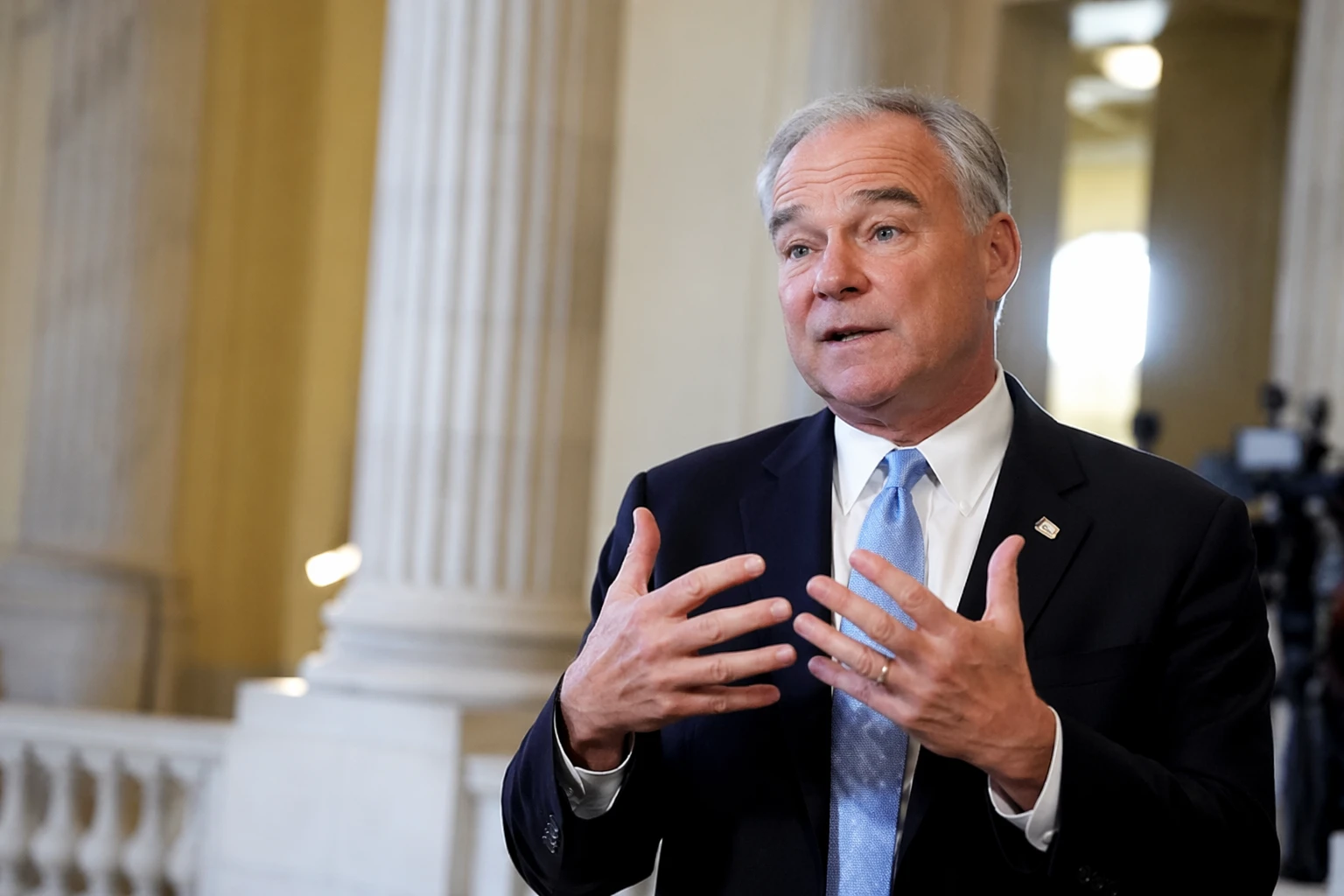
Congress has already started to build a response. On June 4, 2026, the House Armed Services Committee approved a provision that would require the Department of Defense to tell Congress within five days why senior uniformed leaders were dismissed or fired. The measure would not block removals, but it would force a fast explanation to lawmakers responsible for military oversight.
Kaine’s pitch for bipartisan action fits a longer effort to curb unilateral executive war powers. He has served on the Senate Armed Services Committee since 2013, and his office says he has repeatedly raised concerns about presidents using military force without congressional authorization. In December 2025, he helped advance a bipartisan bill repealing the 1991 and 2002 authorizations for use of military force, and that repeal became part of the Fiscal Year 2026 defense bill.

The most realistic test of Kaine’s claim is not whether Congress can stop firings outright, but whether Republicans and Democrats can agree on a narrower check that demands disclosure. The House panel’s five-day reporting requirement is the clearest model on the table: a guardrail aimed at transparency, not a veto over presidential or Pentagon personnel decisions.
Sources
- [1]cbsnews.com
- [2]defensenews.com
- [3]stripes.com
- [4]kaine.senate.gov