Technology
Kaleidescape argues home movie quality shouldn’t be sacrificed for convenience

The streaming era made home viewing effortless, but it also trained people to accept compromise. Kaleidescape is pushing back from Mountain View, California, with a premium movie system that argues viewers should not have to choose between convenience and the kind of playback once associated with discs, calibration and dedicated theaters.
A luxury answer to streaming fatigue
Founded in 2001, Kaleidescape has spent a quarter-century making a contrarian case: the best way to watch movies at home is to combine digital convenience with the quality of a carefully built local library. The company says its mission has always been to let customers enjoy movies at the highest available quality in any room of the home, at the touch of a button. In its own framing, that means a high-fidelity movie library with lossless audio and full reference video quality, not a compressed stream that changes shape depending on network traffic.
That pitch has become more pointed as streaming became the default for nearly everything. The old rituals, a weekend trip to Blockbuster or waiting for a disc to arrive in the mail, vanished because convenience won. Kaleidescape’s response is that the industry did not just replace a format, it normalized a loss of ownership, permanence and consistent picture quality. For affluent buyers building dedicated home theaters, that tradeoff is starting to look less like progress and more like a downgrade.
What mainstream streaming still sacrifices
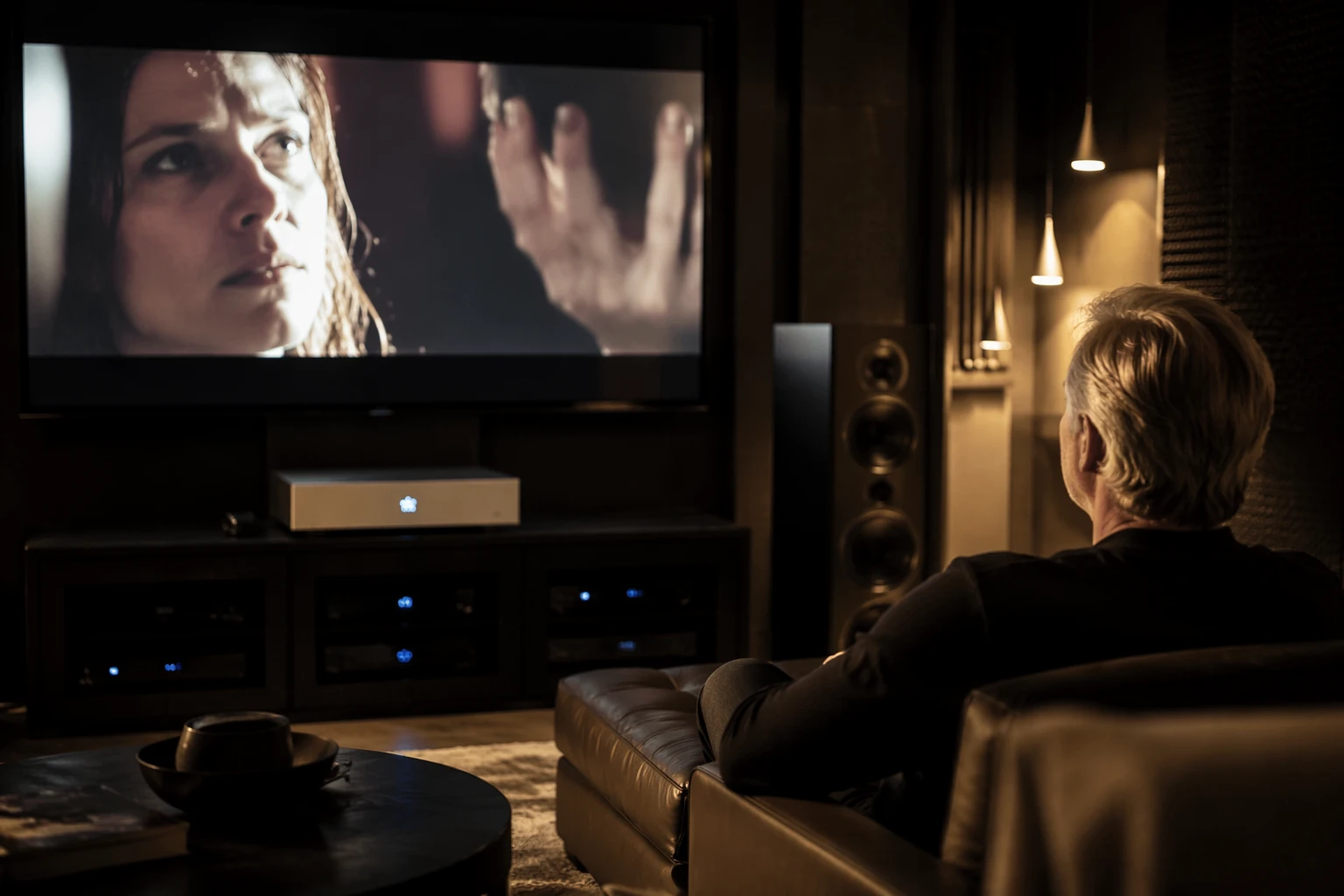
Netflix, Disney+ and Apple all offer highly polished services, but their own guidance shows how much depends on device support and network conditions. Netflix says 4K or UHD streaming recommends 15 Mbps or higher, and it also notes that streaming quality can vary with internet speed. Disney+ says it automatically displays the highest quality video your device can support, while 4K UHD, HDR10 and Dolby Vision availability can vary by device. Apple says purchases in the Apple TV app can be redownloaded, but downloads are not available on Apple TV 4K, Apple TV HD and some streaming devices.
Those details matter because they expose the central tension in modern home entertainment. Streaming gives you access, but not always control. Your picture may adapt to bandwidth, your device may cap quality, and your library may depend on platform rules rather than a file sitting safely on your own hardware. Kaleidescape’s case is that locally downloaded movies avoid that uncertainty, so playback stays consistent every time and audio remains bit-for-bit lossless.
The broader social story is harder to miss. Convenience streaming flattened the market into one universal experience, but premium home cinema is now re-segmenting it, with the sharpest benefits flowing to buyers who can afford to pay for a private standard of quality. The result is a familiar consumer pattern in the digital economy: the mass market gets easy access, while the top end buys back what everyone else gave up.
How Kaleidescape’s current systems work
Kaleidescape’s hardware shows how that philosophy has evolved. The Strato E movie player includes 480GB of SSD storage and supports SDR, HDR10 and Dolby Vision. The Strato V steps up to 960GB of SSD storage, includes Dolby Vision playback and says it can download a 4K movie in as little as 10 minutes over gigabit Ethernet. Kaleidescape also says Strato V downloads can become candidates for automatic deletion 48 hours after playback, a reminder that even premium digital libraries still manage space and rights differently than a shelf full of discs.
That mix of storage, speed and format support is what makes the company’s pitch distinct. The systems are not trying to mimic a general-purpose streaming box, and they are not trying to be a simple file server either. They are designed around the assumption that a home theater owner wants predictable access to a curated movie library, with picture and sound optimized for the room rather than the lowest common denominator of a mass-market app.
For buyers, that can feel like a modern version of collecting physical media without the clutter. For everyone else, it reinforces how much of the premium home theater experience remains gated by price, specialized equipment and home network quality.
Why the niche is growing again
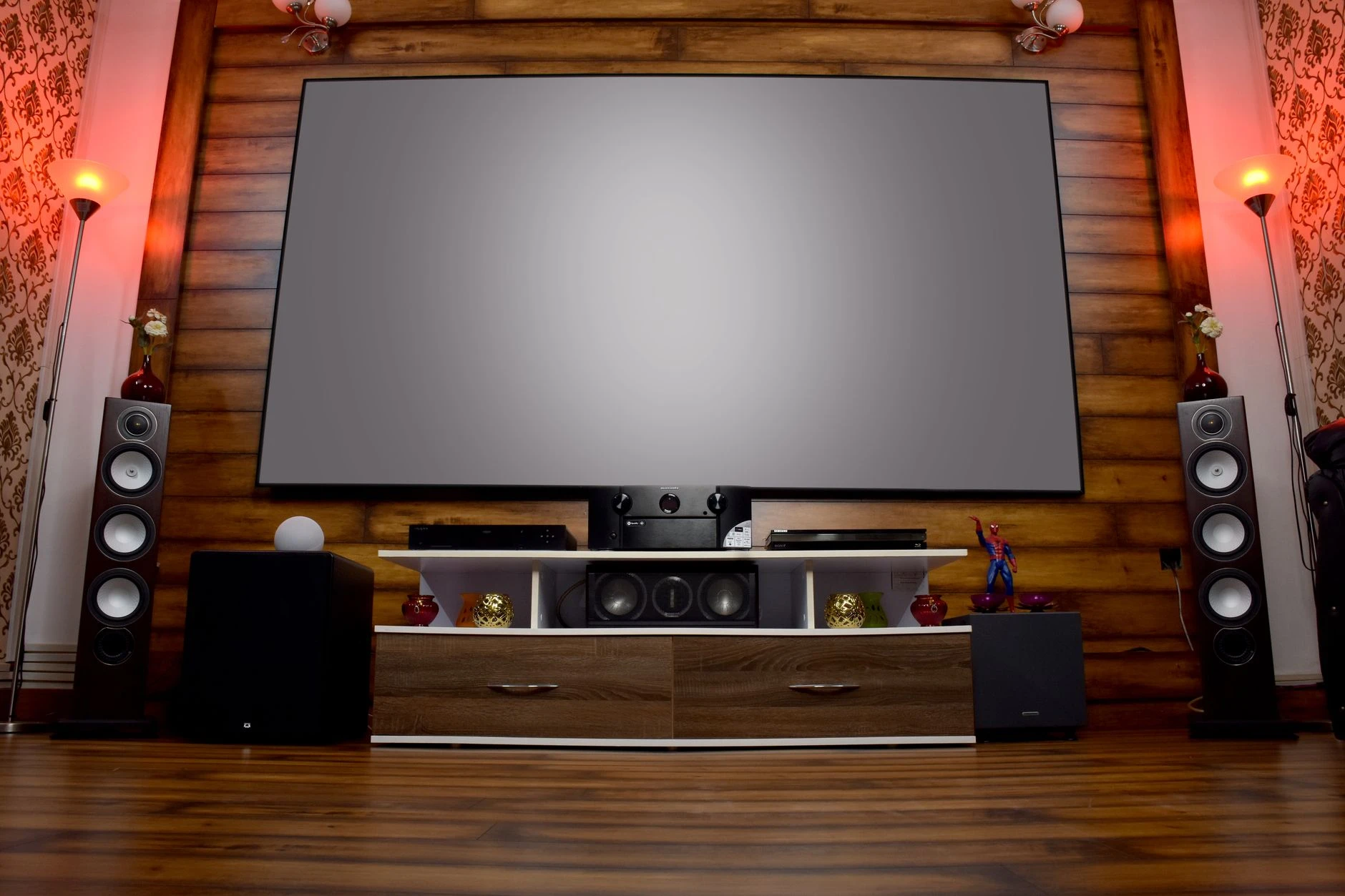
The return of luxury media consumption became even clearer in 2026. Kaleidescape marked its 25th anniversary in March 2026, underscoring that its premium model has outlasted the era when many expected streaming to make disc-based libraries irrelevant. Then, in June 2026, the company announced the Strato K movie player, describing it as fully compatible and certified for native 8K content and introducing a higher-fidelity 4K Cinematic format.
That announcement is less about spec-sheet escalation than it is about market positioning. Kaleidescape is signaling that there remains a buyer willing to pay for the highest-end home cinema experience, even as mainstream services optimize for scale and speed. Third-party pricing guides and reviews place entry systems at roughly $4,000, with larger server-based setups reaching into the tens of thousands of dollars, which keeps the brand firmly in the luxury category even as reviewers say it has become more accessible than it once was.
The deeper question is not whether streaming is good enough for most people. It clearly is. The question is what was lost when convenience became the default standard and quality became something only the wealthy could meaningfully recover. Kaleidescape’s growth suggests that a market now exists for viewers who want a permanent, high-fidelity library and are willing to pay for it. In that sense, the company is not just selling a player. It is selling a rebuttal to the idea that convenience should always win.
Sources
- [1]theverge.com
- [2]kaleidescape.com
- [3]help.netflix.com
- [4]help.disneyplus.com
- [5]support.apple.com
- [6]tmcnet.com
- [7]avforums.com