Politics
Kallas questions U.S. tariff rationale as EU seeks clarity

Kaja Kallas questioned the U.S. rationale for tariffs on the European Union on July 24, pressing Washington to clarify what the duties were meant to achieve as the bloc weighed the risk of a broader trade fight. The dispute carries direct stakes for car prices, metals, consumer goods and supply chains on both sides of the Atlantic, where businesses are already trying to price in another round of uncertainty.
The tension sharpened after Donald Trump announced on July 12 that the baseline additional tariff on Union goods would rise from 10% to 30%, according to a Council of the European Union document. Four days later, ministers at the Foreign Affairs Council for Trade said the announced 30% tariffs were “unjustified and unacceptable,” while still saying they remained fully committed to working with the United States. The same Council page said the country-specific tariffs against the bloc were on hold until Aug. 1, leaving negotiators a short window to try to prevent another escalation.
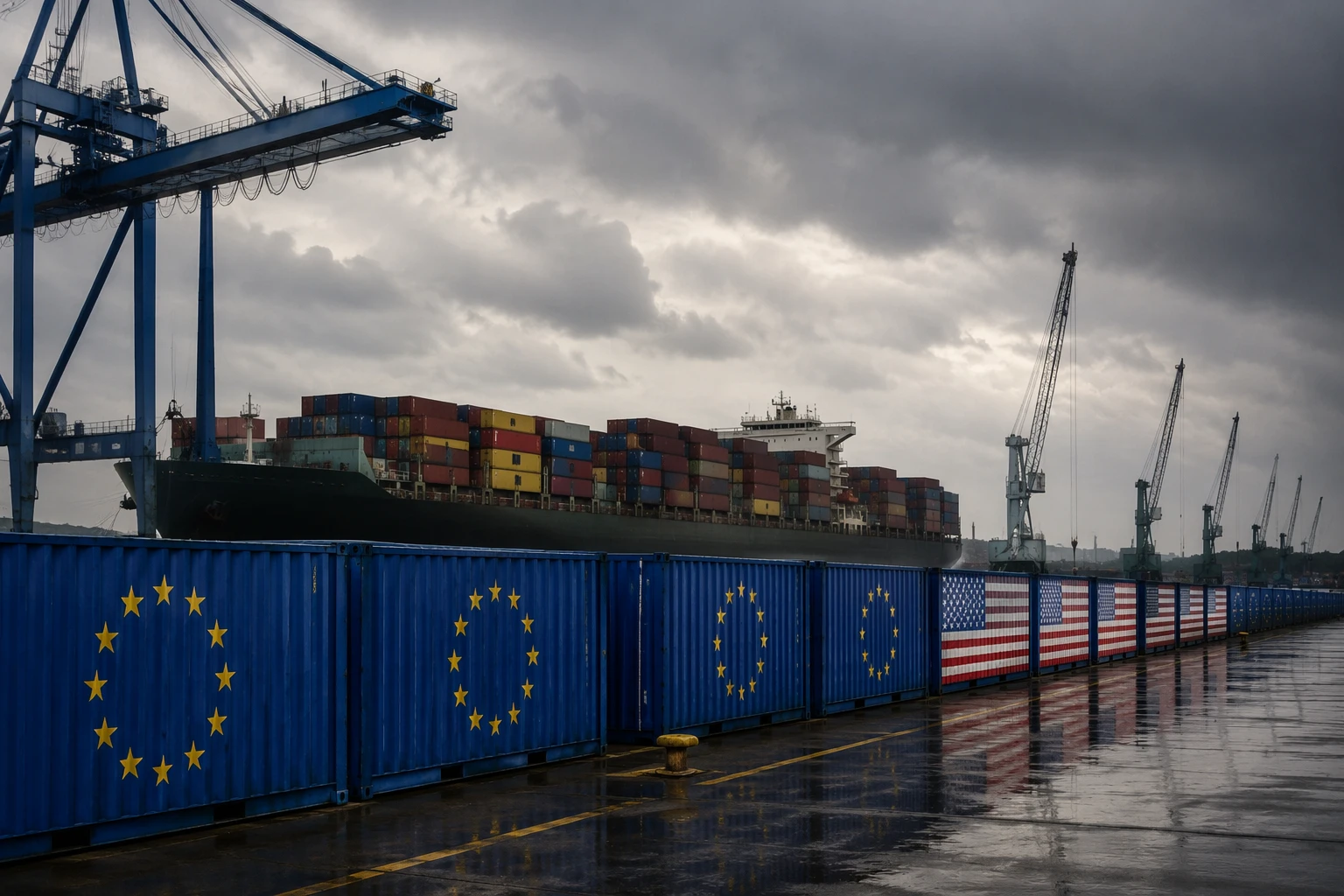
Brussels had already answered earlier tariff moves from Washington with countermeasures of its own. On March 12, the European Commission said the United States had imposed tariffs of up to 25% on imports of steel, aluminium and certain products containing steel and aluminium from the EU and other trading partners. The Commission described its response as countermeasures meant to protect European businesses, workers and consumers from unjustified trade restrictions, then later said it paused those measures to allow time and space for EU-U.S. negotiations.
That pause did not end the confrontation. A White House fact sheet in July 2025 said the United States and European Union had reached a trade deal framework on reciprocal, fair and balanced trade, and a White House joint statement in August 2025 referred to the same framework. By November, the Council of the European Union was moving forward on implementing tariff elements of that joint statement, showing that even amid the pressure, both sides still wanted a structured settlement.
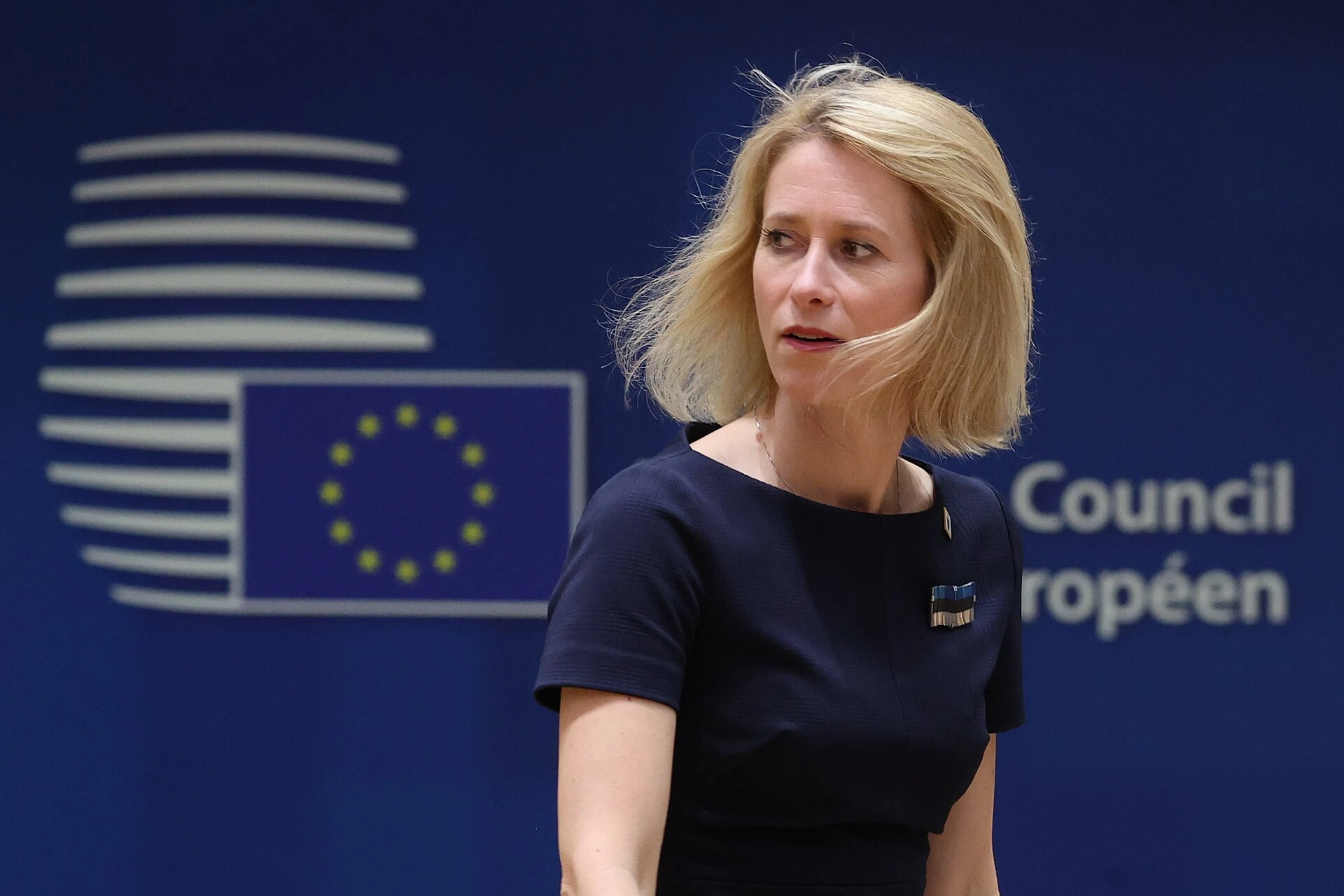
Kallas’s demand for clarification reflected a deeper European concern: whether the U.S. tariffs were a negotiating tactic, a response to specific disputes or part of a more permanent shift toward economic nationalism. For Brussels, the legal and strategic basis matters because it will shape whether the answer is talks, countermeasures or formal trade complaints, and whether transatlantic trade remains rule-bound or turns into a cycle of retaliatory levies.