US News
Kalshi Suspends Three Candidates Over Insider Trading Allegations
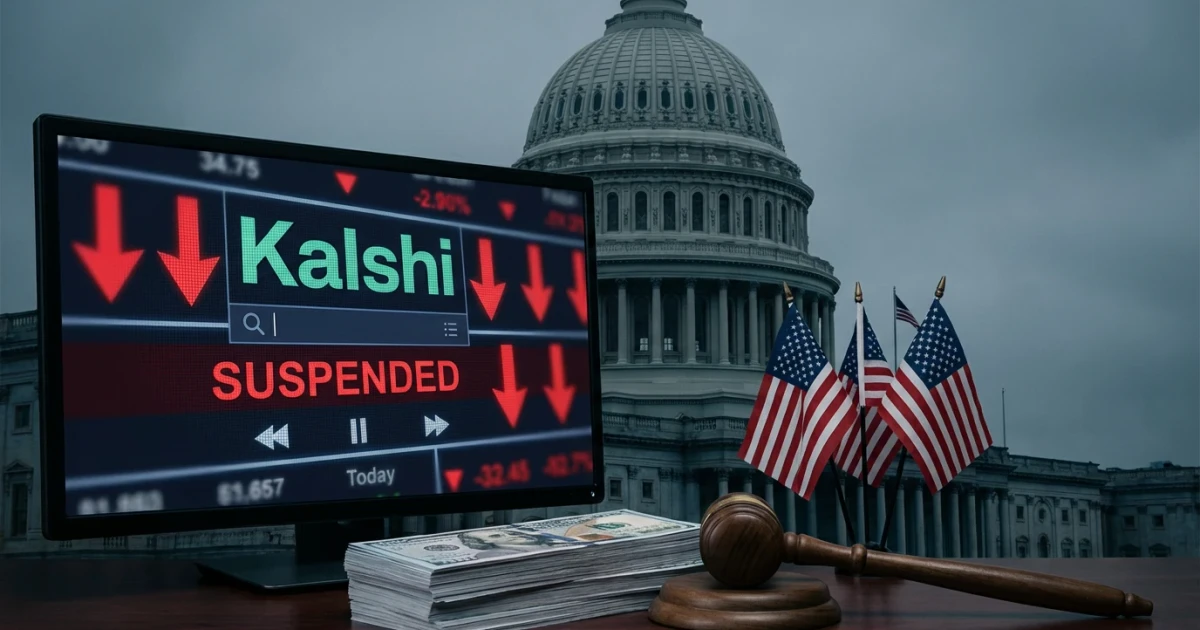
Kalshi, the popular political prediction platform, has suspended and fined three congressional candidates for placing bets on the outcomes of their own races. The enforcement action, first reported by CNBC, marks a rare intervention in the growing intersection of politics and online prediction markets.
Enforcement Actions Target Candidate Bets
According to CNBC, Kalshi’s enforcement team identified that the three candidates had actively participated in betting contracts linked to the results of their own congressional campaigns. The platform deemed these actions a violation of its internal policies and, more broadly, as a form of insider trading—leveraging privileged, non-public information for potential personal gain.
- The candidates were immediately suspended from the platform.
- Each received a monetary fine, though exact figures were not disclosed in the initial reporting.
- Kalshi publicly reaffirmed its commitment to fair and transparent market practices.
Regulatory and Ethical Context
The action comes amid heightened scrutiny from regulators over event-based prediction markets. The Commodity Futures Trading Commission (CFTC) has previously issued warnings and orders regarding the operation of political event contracts, emphasizing the need for robust surveillance and compliance.
Prediction markets like Kalshi allow users to buy and sell contracts based on real-world outcomes, including political races. While these markets are regulated as event contracts under U.S. law, direct participation by candidates introduces unique risks. According to CNBC, Kalshi’s enforcement action is among the first to directly address the issue of candidates betting on their own races.
Implications for the Political Prediction Market
Kalshi’s decision highlights the evolving challenges for platforms that blend finance, politics, and technology. The Federal Election Commission’s candidate database lists thousands of individuals in active races, raising the potential for further conflicts of interest as prediction markets gain popularity.
- Regulatory bodies like the CFTC have debated how best to oversee such platforms.
- Academic research, including a Brookings Institution analysis, suggests that event contract regulation is still developing, especially in politically sensitive areas.
As more candidates and campaigns become aware of prediction markets, platforms will likely face increased pressure to refine their rules and monitoring systems. The stakes are high: maintaining public trust in both financial markets and the democratic process depends on strong safeguards against insider activity.
What Comes Next?
Kalshi’s enforcement action sets a precedent for how political prediction markets might handle self-interested participation going forward. While the suspended candidates have not been named, and no criminal charges have been reported, the incident may prompt further regulatory inquiries and platform-level reforms.
For curious readers, live political markets data and market surveillance reports provide ongoing transparency into market activity and enforcement trends.
As the 2026 election season intensifies, the intersection of political campaigning and financial speculation is likely to remain a focus for both regulators and the public.