World
Kamala Harris Criticizes U.S. Military Action in Iran
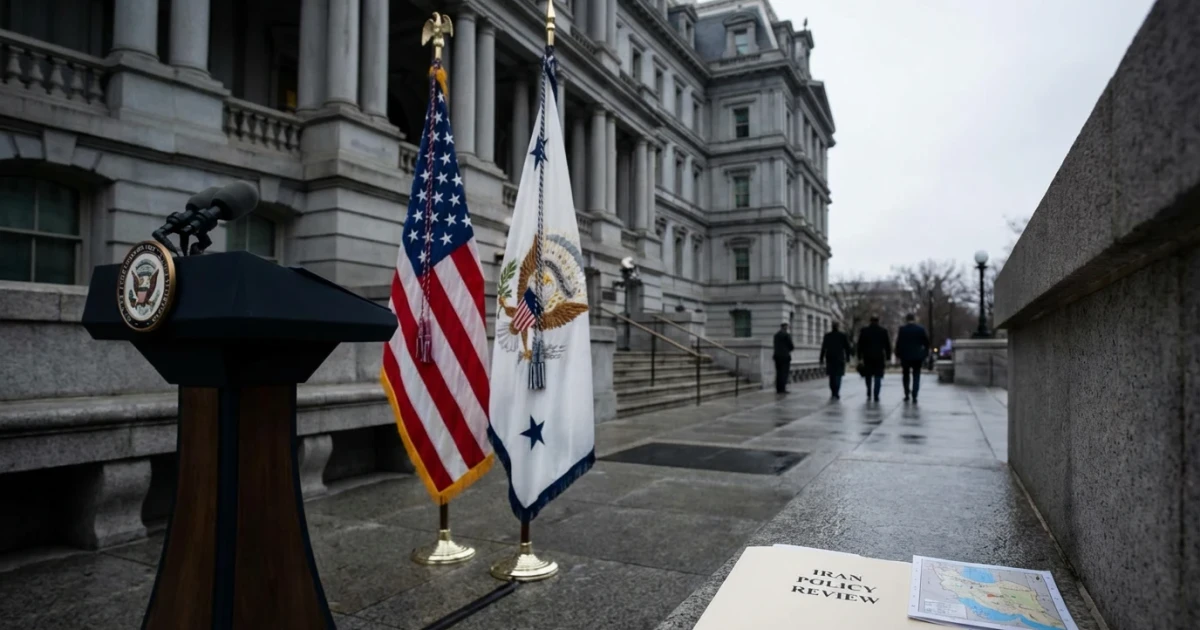
Vice President Kamala Harris has strongly criticized the recent U.S. military action in Iran, describing it as a 'war of choice' initiated by former President Donald Trump. Harris’s remarks add to mounting concerns about the long-term economic and geopolitical implications of the conflict, which analysts say could reverberate far beyond the Middle East.
Political Debate Over U.S. Engagement in Iran
Harris’s warning comes amid an intensifying debate in Washington over the rationale and potential fallout from renewed military operations in Iran. The Economic Times reported that Harris described the intervention as a 'war of choice,' signaling her belief that the conflict was not provoked by an immediate threat to U.S. national security. She cautioned that the decision could bring enduring consequences for American interests and global stability.
Potential Economic Impact
Experts say military escalation in Iran has already begun to affect global energy markets. Historically, tensions in the region have led to volatility in crude oil prices, a trend likely to continue if the conflict persists. Higher energy costs may filter into the broader economy, impacting consumers and key industries. According to the U.S. Bureau of Economic Analysis, sectors like manufacturing and transportation are especially sensitive to oil price shocks. Moreover, rising oil prices can contribute to inflation, as reflected in the Consumer Price Index (CPI), potentially putting additional pressure on American households.
- Global crude oil prices have a history of spiking during Middle East conflicts
- U.S. imports of crude oil and petroleum products are tracked by the Energy Information Administration
- Inflation and consumer spending are closely linked to energy costs
Geopolitical and Trade Implications
The conflict also raises questions about the future of international trade and diplomatic relations. Sanctions and military actions against Iran have historically disrupted trade flows, as analyzed by the International Chamber of Commerce. U.S. sanctions on Iran, detailed on the U.S. Department of State’s Iran country page, have affected not only bilateral trade but also global supply chains, especially in energy and related industries. The Organization for Economic Co-operation and Development (OECD) has previously warned that geopolitical risks in the Middle East can dampen global economic growth, as outlined in its Economic Outlook.
Looking Ahead
As the situation in Iran develops, policymakers and business leaders will be watching for signs of escalation or de-escalation. Harris’s warning reflects a broader concern that the U.S. could face long-term strategic and economic costs from its involvement. With energy prices poised for further volatility and global markets on edge, the true impact of what Harris calls a 'war of choice' may only become clear over time.