Sports
Kansas City leans on soccer history ahead of 2026 World Cup
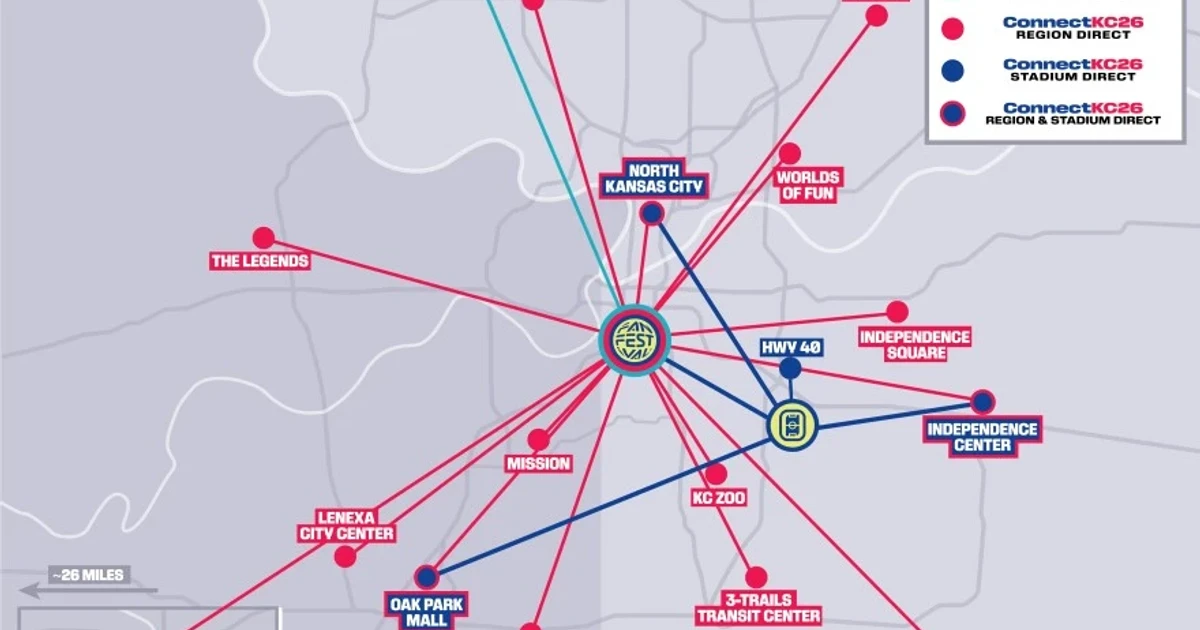
Kansas City is treating the 2026 World Cup as more than a two-week spectacle. The city’s pitch rests on a rare mix of soccer history, stadium pedigree and a regional transit plan that is meant to outlast the tournament itself. With six matches, including a quarterfinal, and hundreds of thousands of visitors expected in June 2026, the question is whether the city can convert attention into lasting gains.
A soccer story built long before FIFA arrived
Kansas City’s claim on the World Cup starts with Lamar Hunt, who founded the Kansas City Chiefs in 1959, moved the franchise from Dallas to Kansas City in 1963 and became a founding investor in Major League Soccer in 1996. His family also operated the Kansas City MLS franchise from 1995 to 2006, and the first MLS match in Kansas City history was played at Arrowhead Stadium. That lineage gives the city a soccer identity that predates the tournament by decades.
Sporting Kansas City was one of the 10 founding MLS cities in 1996, another marker that the region was not simply borrowing soccer culture for a one-off event. In a country where many World Cup host sites are better known for other sports, Kansas City can point to an established soccer fan base, a pro team with roots in the league’s earliest days and a stadium already familiar to the sport’s history. That matters because mega-events usually have a harder time taking hold in places that must invent a sports culture from scratch.
Why this host city looks smaller, and why that matters
Kansas City, Missouri, had a population of 508,090 in the 2020 Census, one reason it is often described as the smallest 2026 World Cup host city. The city also sits in a bi-state metropolitan area that straddles the Missouri-Kansas line, a geography that shapes everything from transit to civic identity. Founded in the 1830s as a Missouri River port at the confluence of the Missouri and Kansas rivers, it has long been a crossroads city rather than a single-core metropolis.
That scale could be an advantage and a risk. A smaller host may be able to move faster on logistics and leave a more visible civic footprint, but it also has less margin for error if traffic, security or transit systems strain under the volume. The Kansas City metro’s foreign-born share is about 7.3%, lower than many other host metros, which makes the tournament’s welcome and wayfinding efforts especially important for newcomers who may not have strong local networks. If the city wants the World Cup to feel open and usable, not just celebratory, access has to be built into the experience.
Arrowhead is the center of the sporting plan
FIFA says Kansas City will host six matches at Kansas City Stadium, also known as GEHA Field at Arrowhead Stadium, including a quarterfinal. The tournament itself is set to be the biggest ever, with 104 matches and 48 teams. That places Kansas City in a larger global event while still giving it a relatively concentrated share of the schedule, which can sharpen the local impact around a limited set of venues and dates.
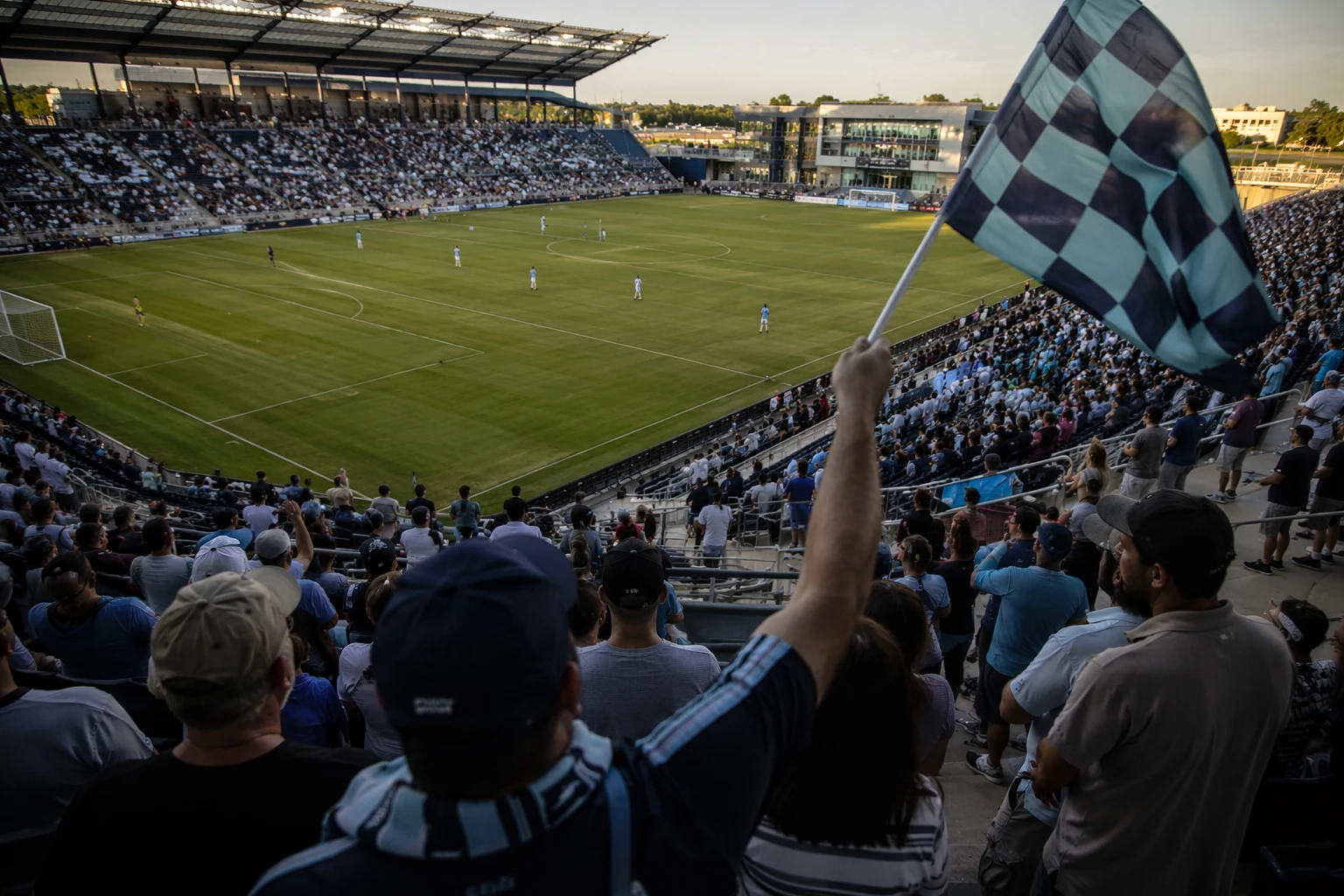
The host-city guide also highlights the newly opened $75 million National Football Training and Coaching Development Center, another permanent sports asset that could strengthen the city’s profile beyond the tournament. Together, the stadium, the training facility and the city’s MLS history help Kansas City present itself as a place with enough infrastructure to host elite soccer and enough continuity to use it afterward. The real test will be whether those facilities continue to support programming, development and events once the last crowd leaves.
Transportation is where the legacy question gets real
KC2026 has called the World Cup the region’s largest sports and fan-engagement undertaking, and in January 2026 it said Kansas City was the first host city to secure bus leases and expand transportation beyond FIFA requirements. That matters because transit is where the difference between a short-term spectacle and a usable civic improvement becomes visible. If buses, routes and scheduling work only for match days, the benefit is fleeting; if they improve movement across the metro, the city gains something more durable.
The bi-state layout makes that especially important. Fans, workers and volunteers will be moving across municipal and state lines, and a transportation plan that works only for central Kansas City would miss the reality of how the region functions. For residents who rely on buses, and for visitors trying to navigate unfamiliar neighborhoods, well-planned transit is not a luxury add-on. It is the basic condition that determines whether a global event feels accessible or exclusive.
What lasting gains would actually look like
Kansas City’s opportunity is not just to host six matches, but to prove that a smaller U.S. host city can translate exposure into a broader civic shift. That means more than stadium television shots and temporary fan zones. It means whether the city’s transit changes persist, whether local youth soccer programs benefit from renewed interest, whether the city uses the World Cup to deepen its reputation as a soccer market and whether the national attention lingers after the quarterfinal is over.
The city’s size gives that question extra weight. In a place of 314.9 square miles with a smaller population than most other hosts, even modest improvements can be felt widely. If Kansas City can turn the tournament into better mobility, a stronger soccer pipeline and a more recognizable national identity, it will have done more than stage matches. It will have used the world’s biggest soccer event to make its own case for the future.
Sources
- [1]nytimes.com
- [2]chiefs.com
- [3]fifa.com
- [4]census.gov
- [5]data.census.gov
- [6]kansascityfwc26.com