US News
Kansas woman convicted in 2002 double murder after years of trials
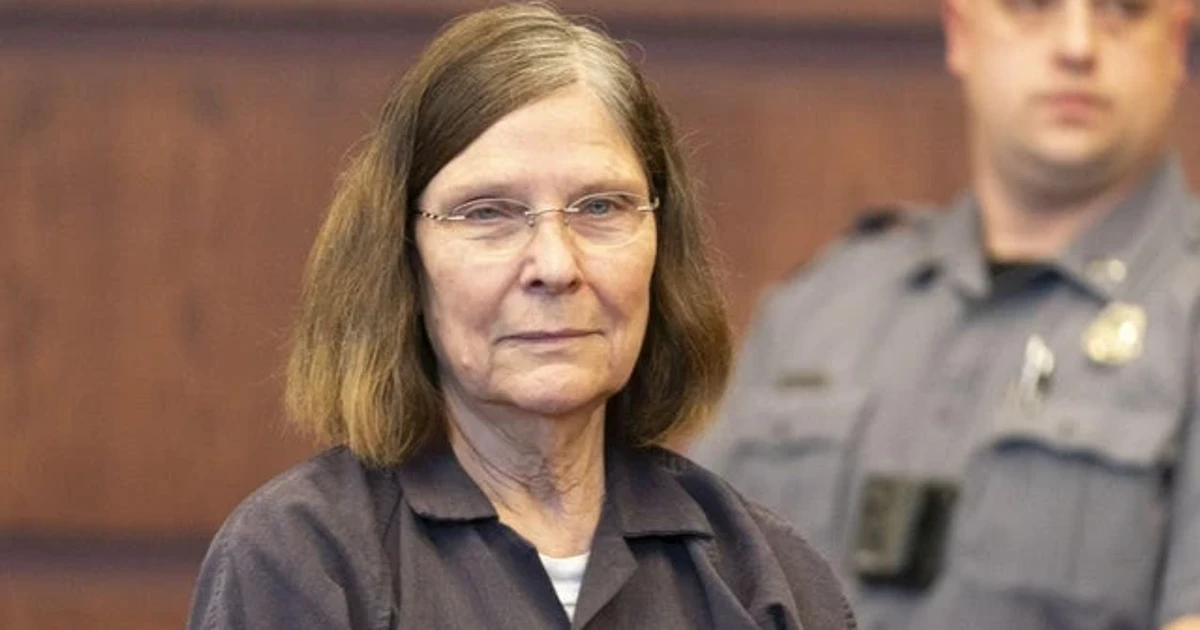
Hailey Seel stood in a Shawnee County courtroom on June 3, 2025, and delivered a victim-impact statement after jurors convicted her mother, Dana Chandler, in the 2002 killings of Mike Sisco and Karen Harkness. Seel, the daughter of Sisco and Chandler, had moved from family member to central witness over the course of the case, and by sentencing she publicly said she now sees Chandler as the killer. Judge Cheryl Rios then imposed two consecutive life terms, leaving Chandler ineligible for parole for 50 years and crediting her with about 13 years already served.
The killings began the long legal fight that followed. Mike Sisco, 47, and Karen Harkness, 53, were shot to death on July 7, 2002, in Harkness’ Topeka home. Chandler, Sisco’s ex-wife and Seel’s mother, became the focus of a decade-long investigation that eventually put the family itself at the center of the case, with the daughter forced to navigate loyalty, memory and the evidence assembled against her mother.
Chandler’s legal path wound through multiple trials and a high court reversal before the final conviction. She was first convicted in 2012, but the Kansas Supreme Court overturned that verdict in 2018 because of prosecutorial misconduct involving Jacqie Spradling, the prosecutor later disbarred. Shawnee County District Attorney Mike Kagay chose to pursue a retrial, and Chandler’s second trial began in July 2022 before a third trial in 2025 ended in conviction.
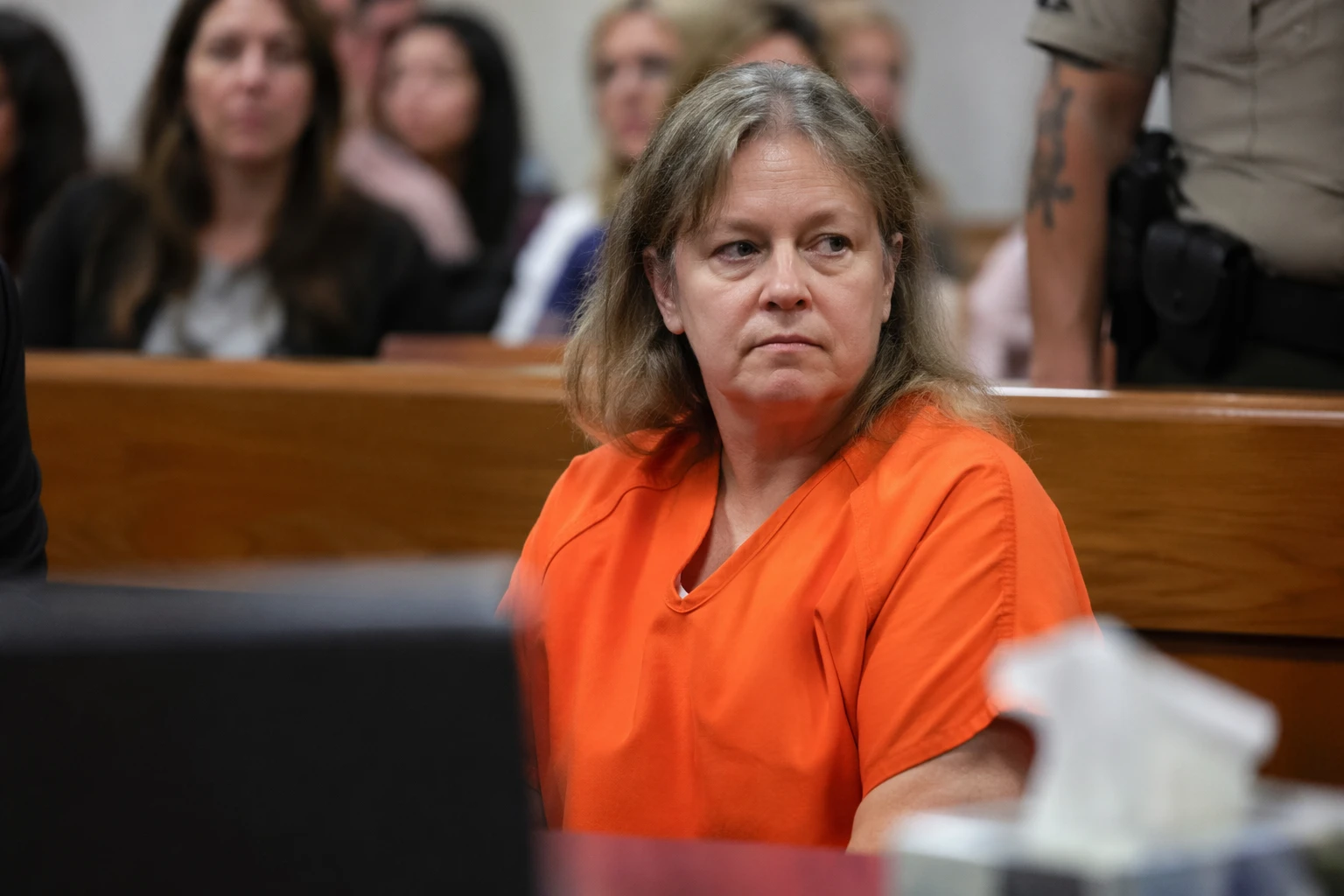
The family’s divisions remained visible at the end. Seel’s statement at sentencing marked the clearest public break from her mother, while relatives of both victims described decades of grief and the demand for answers in a case that had stayed open in their lives for more than two decades. Other supporters of Chandler, including Darryl Burton of Miracle of Innocence and former appeal attorney Stacey Schlimmer, continued to argue that Chandler had been wrongly blamed. The record now stands with three trials, one overturned conviction, and a final sentence that closes the criminal case while leaving the family split over what happened in Harkness’ home that summer night.