World
Kaspersky link emerges in case against alleged Russian hacker Denis Obrezko
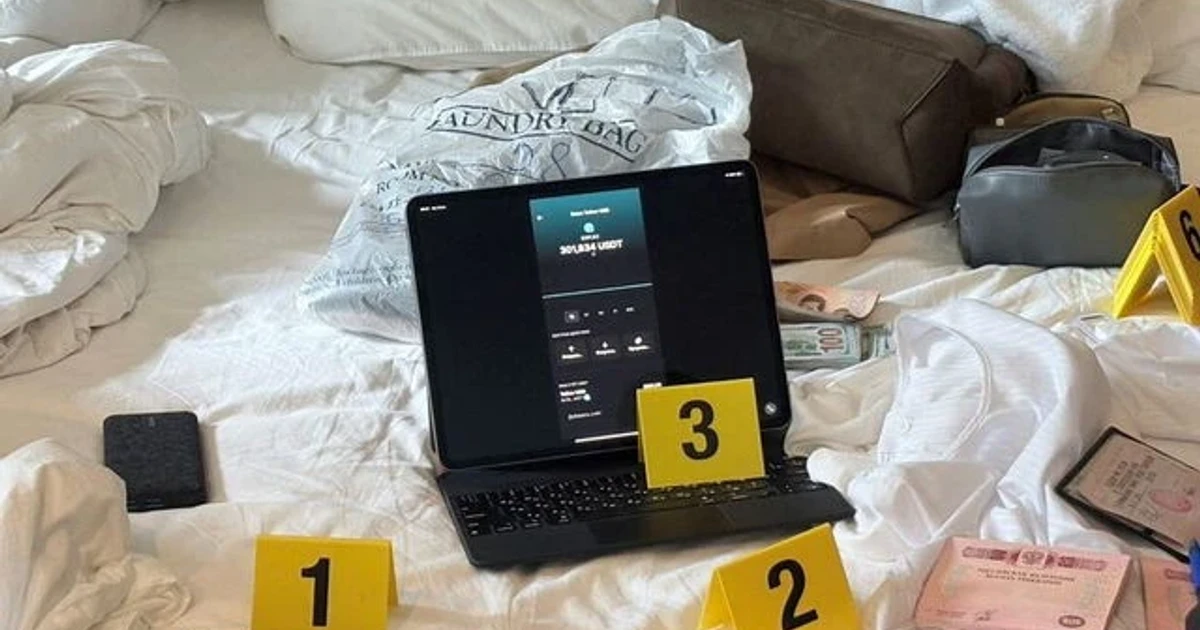
Denis Obrezko pleaded not guilty in Boston last week to computer-crime charges as records placed him at Moscow-based Kaspersky Lab from 2017 to 2019 as a senior specialist. The disclosure adds a counterintelligence layer to a case that has already drawn attention because of Obrezko’s alleged ties to Russian state security.
U.S. prosecutors have said Obrezko spent about five years working for Russia’s FSB before his time at Kaspersky. The alleged hacking in the case took place after he left the antivirus company, and Kaspersky itself is not accused of wrongdoing. Even so, the combination of an intelligence background, a private cybersecurity job and a criminal hacking case goes directly to the trust question that sits at the center of the sector: who gets access, what expertise they carry with them and how much confidence governments can place in people who move between state security structures and firms that defend sensitive networks.

The case lands against a harder U.S. line on Kaspersky itself. On June 20, 2024, the Commerce Department’s Bureau of Industry and Security issued a Final Determination prohibiting Kaspersky Lab, Inc. and its affiliates from directly or indirectly providing certain antivirus and cybersecurity products or services to U.S. persons. BIS said the company’s continued operations in the United States posed a national-security risk tied to the Russian government’s offensive cyber capabilities and its capacity to influence or direct Kaspersky’s operations.
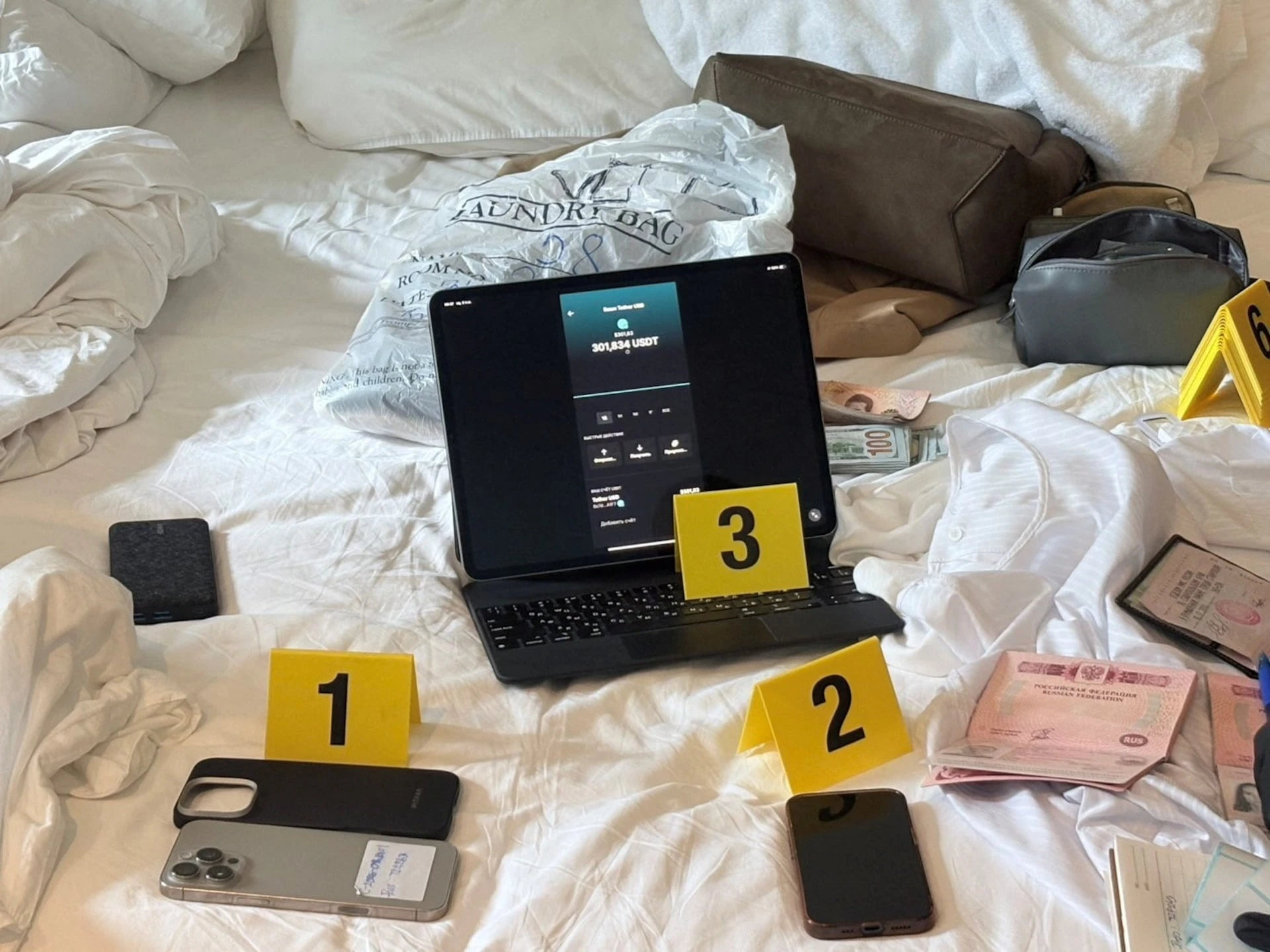
That broader policy backdrop matters because the Obrezko case centers on an alleged cyber espionage campaign against Western organizations. If prosecutors are right about his earlier work for the FSB and his later role at Kaspersky, the case illustrates why governments scrutinize not only current corporate ties but also the movement of personnel through sensitive parts of the cyber industry. The concern is not limited to one defendant or one company. It extends to the possibility that technical skills, internal tradecraft and strategic relationships can travel with people who have worked for both state intelligence and private security firms.
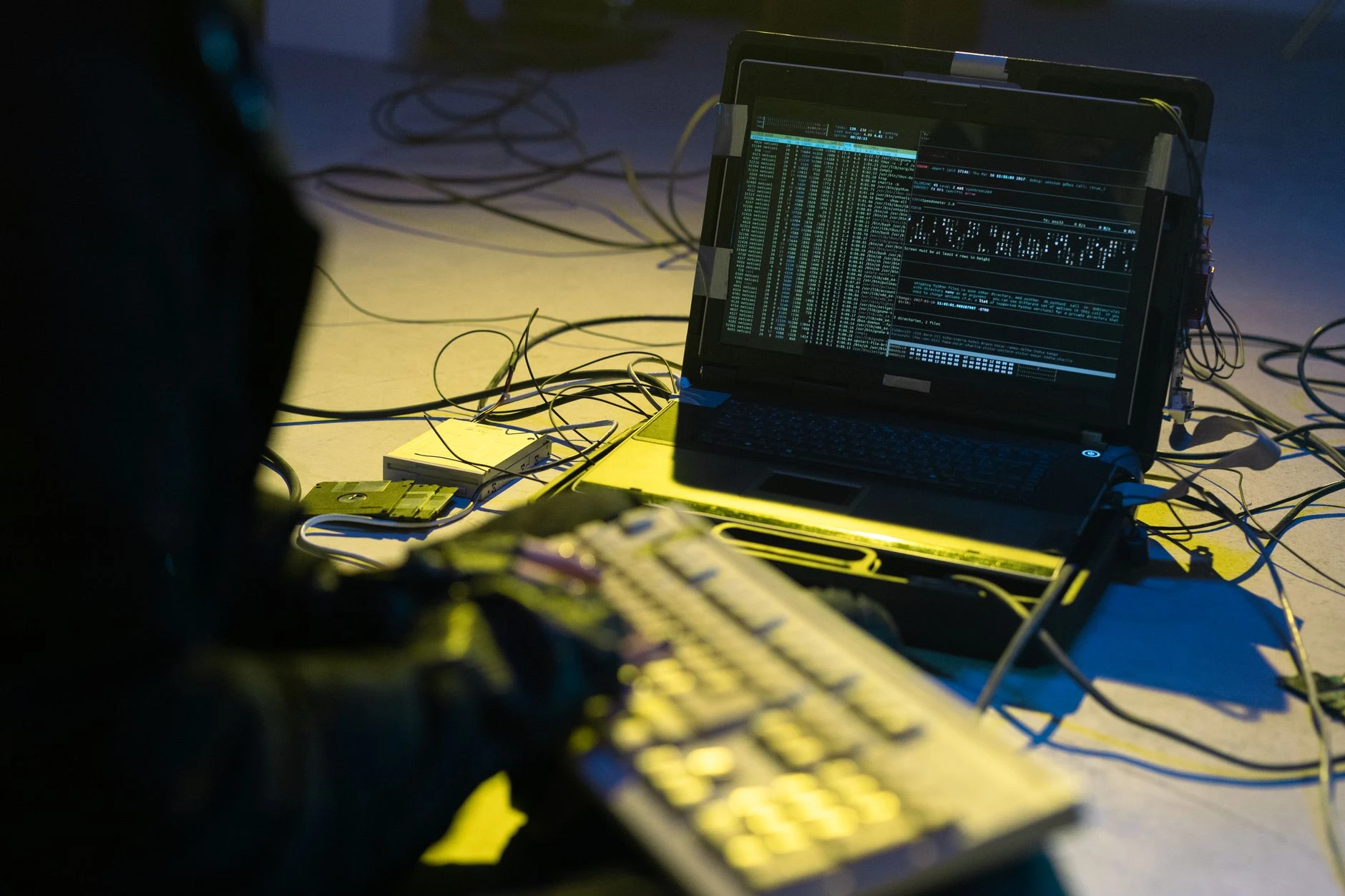

Obrezko’s extradition from Thailand last month, after his arrest there in November 2025, put the Boston prosecution on a tighter timetable and kept it squarely inside the District of Massachusetts. With the Russian cyber threat still shaping U.S. policy, the Kaspersky connection is likely to keep this case under a brighter light than a routine hacking indictment.
Sources
- [1]usnews.com
- [2]bis.gov