Politics
Katie Britt Backs Bill Halting Congressional Pay in Shutdowns
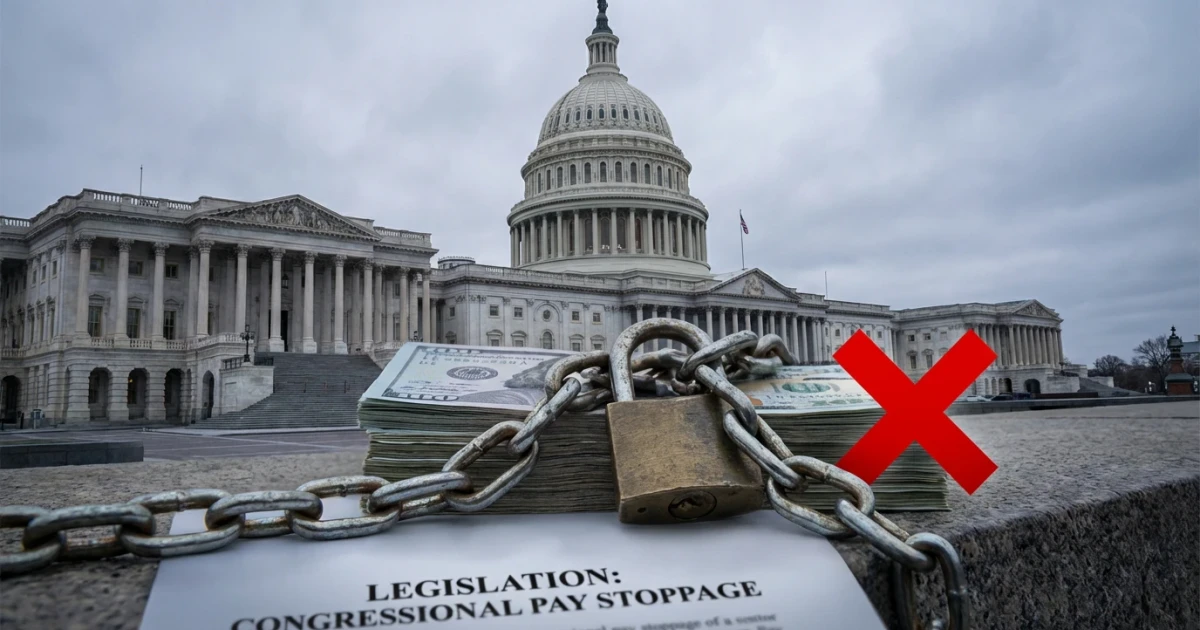
Senator Katie Britt has announced her support for proposed legislation that would halt pay for members of Congress during government shutdowns, a move aimed at increasing accountability among lawmakers when federal budget negotiations stall.
Details of the Proposed Legislation
The bill, known as the No Budget, No Pay Act of 2023, would suspend salaries for members of the House and Senate if they fail to pass the necessary spending bills to keep the federal government open. This legislative effort comes after several high-profile government shutdowns in recent years, which disrupted services and delayed pay for federal employees, while members of Congress continued to receive their salaries and benefits.
Katie Britt’s Position and Motivations
Yellowhammer News reported that Senator Britt is among those supporting the bill, aligning herself with a bipartisan group of lawmakers seeking to address public frustration over government shutdowns. Britt’s backing reflects her commitment to fiscal responsibility and her responsiveness to constituents who have expressed concern about lawmakers' compensation during periods of legislative gridlock.
Background: Congressional Pay During Shutdowns
- Currently, members of Congress earn a base salary of $174,000 per year.
- During past shutdowns, including the 35-day partial shutdown in 2018–2019, federal workers went unpaid or faced furloughs, but congressional paychecks continued uninterrupted. According to a GAO report, this shutdown led to significant disruption in agency operations and delayed compensation for hundreds of thousands of federal employees.
- The Congressional Budget Office found that the 2018–2019 shutdown reduced U.S. economic output by an estimated $11 billion, with about $3 billion in permanent losses.
Implications and Public Support
Supporters argue that linking congressional pay to government funding deadlines could incentivize lawmakers to resolve budget disputes more quickly, preventing the negative impacts that shutdowns have on federal workers and the public. The No Budget, No Pay Act has gained traction as voters increasingly demand greater accountability from elected officials.
Senator Britt’s support for the measure is consistent with her broader legislative record. According to campaign finance data, she has positioned herself as a fiscal conservative focused on government transparency and efficiency.
Next Steps in the Legislative Process
The bill’s progress can be tracked via official Senate legislative records. Though similar proposals have faced obstacles in the past, the rising bipartisan support and public attention could increase its chances of debate or passage in the current Congress.
Looking Ahead
As debate over government funding continues, proposals like the No Budget, No Pay Act highlight ongoing efforts to reform congressional accountability. Whether or not the bill advances, Senator Britt’s support signals a willingness among some lawmakers to address public concerns about how Washington operates during fiscal crises. The coming months will reveal whether this legislative push can succeed where previous attempts have stalled.