World
Kazakhstan courts Trump in push to balance Russia and China
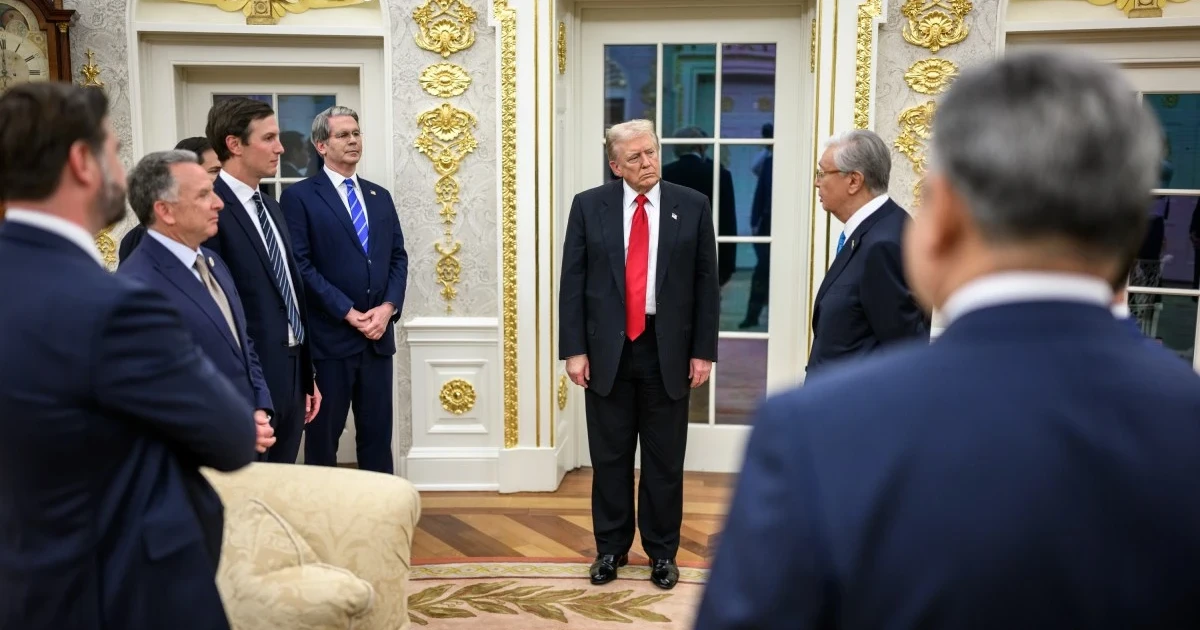
Kazakhstan is deepening its courtship of Donald Trump’s Washington as it tries to widen its options between Russia and China, two powers that still dominate its security, energy and infrastructure choices. The White House meeting between Trump and President Kassym-Jomart Tokayev on Nov. 6, 2025 marked what the State Department called a new era in relations, with both sides pointing to critical minerals, transportation, artificial intelligence, energy and supply-chain cooperation.
The relationship has been built over more than three decades. The United States was the first country to recognize Kazakhstan’s independence on Dec. 25, 1991, opened an embassy in Almaty in January 1992 and moved it to Astana in 2006. Washington has described the relationship as an enhanced strategic partnership since 2018, and nuclear nonproliferation remains its most durable foundation: Kazakhstan renounced its Soviet-legacy nuclear weapons in 1993, closed the Semipalatinsk Test Site and, with U.S. help, removed warheads, weapons-grade material and sealed test tunnels.
That legacy still shapes the agenda. In 2024, the sixth annual U.S.-Kazakhstan Enhanced Strategic Partnership Dialogue in Washington covered border security, counterterrorism, nonproliferation, transnational threats and the repatriation of Kazakh foreign fighters and their families from Syria. The talks also underscored how the partnership has widened beyond arms control into practical statecraft, with U.S. officials now tying it to critical minerals, infrastructure, energy security and commercial ties.
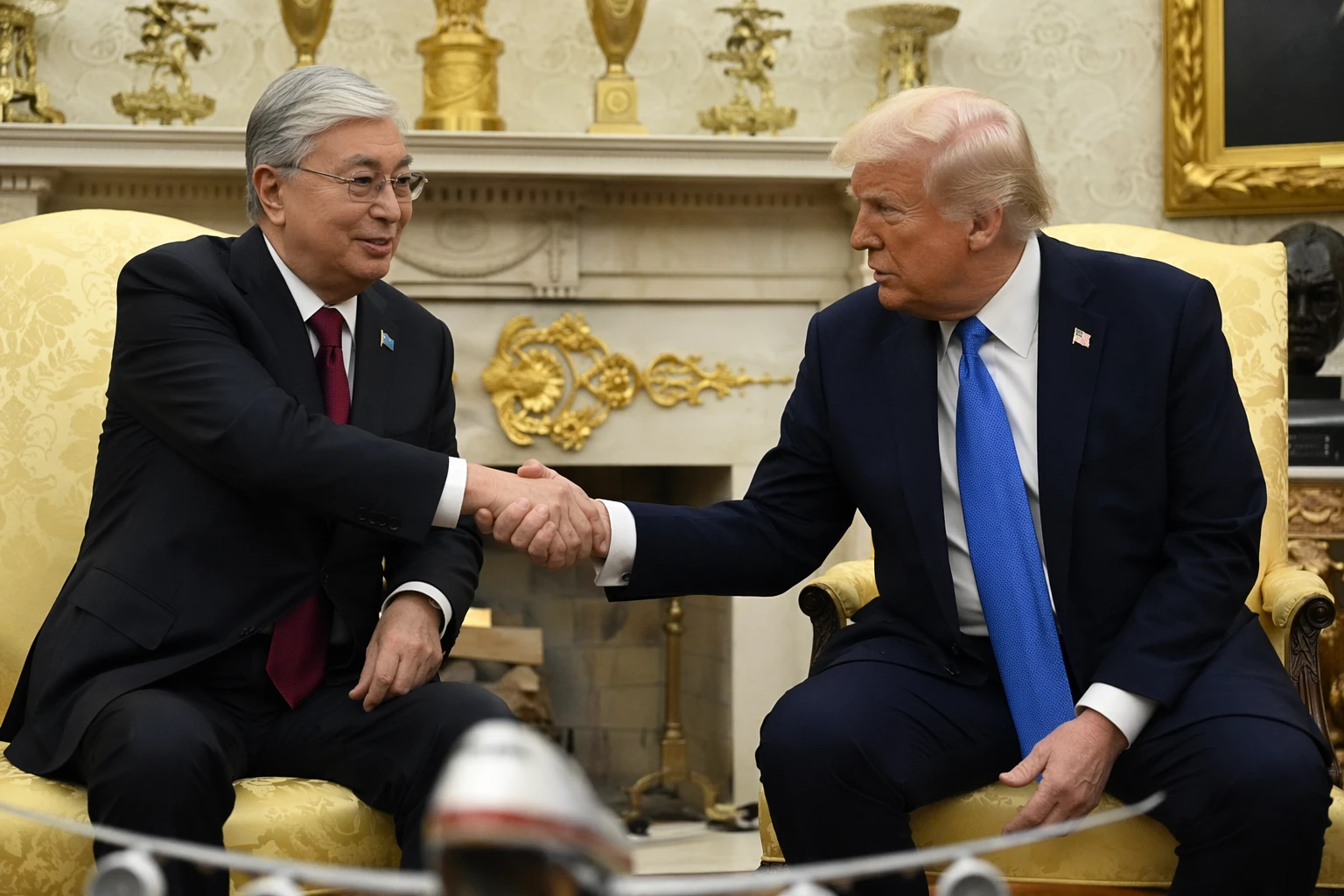
Trump’s return to the relationship gave Tokayev a larger platform. At the first-ever C5+1 Presidential Summit at the White House on Nov. 6, 2025, the State Department said more than $100 billion in planned trade and investments were under discussion across Central Asia. A day later, Tokayev called Trump “sent by heaven” during a working dinner in Washington, a flourish that contrasted sharply with the balancing language he used later in Moscow, where he described Russia as a “God-given” neighbor.
The hedging is deliberate. In June 2025, Kazakhstan awarded its first three nuclear power plants to Russia’s Rosatom and China National Nuclear Corporation, a reminder of how tightly its strategic projects remain tied to its two largest neighbors. Yet the White House has also said Kazakhstan agreed to join the Abraham Accords, pulling Astana closer to Trump’s wider Middle East diplomacy while giving it another channel to Washington.
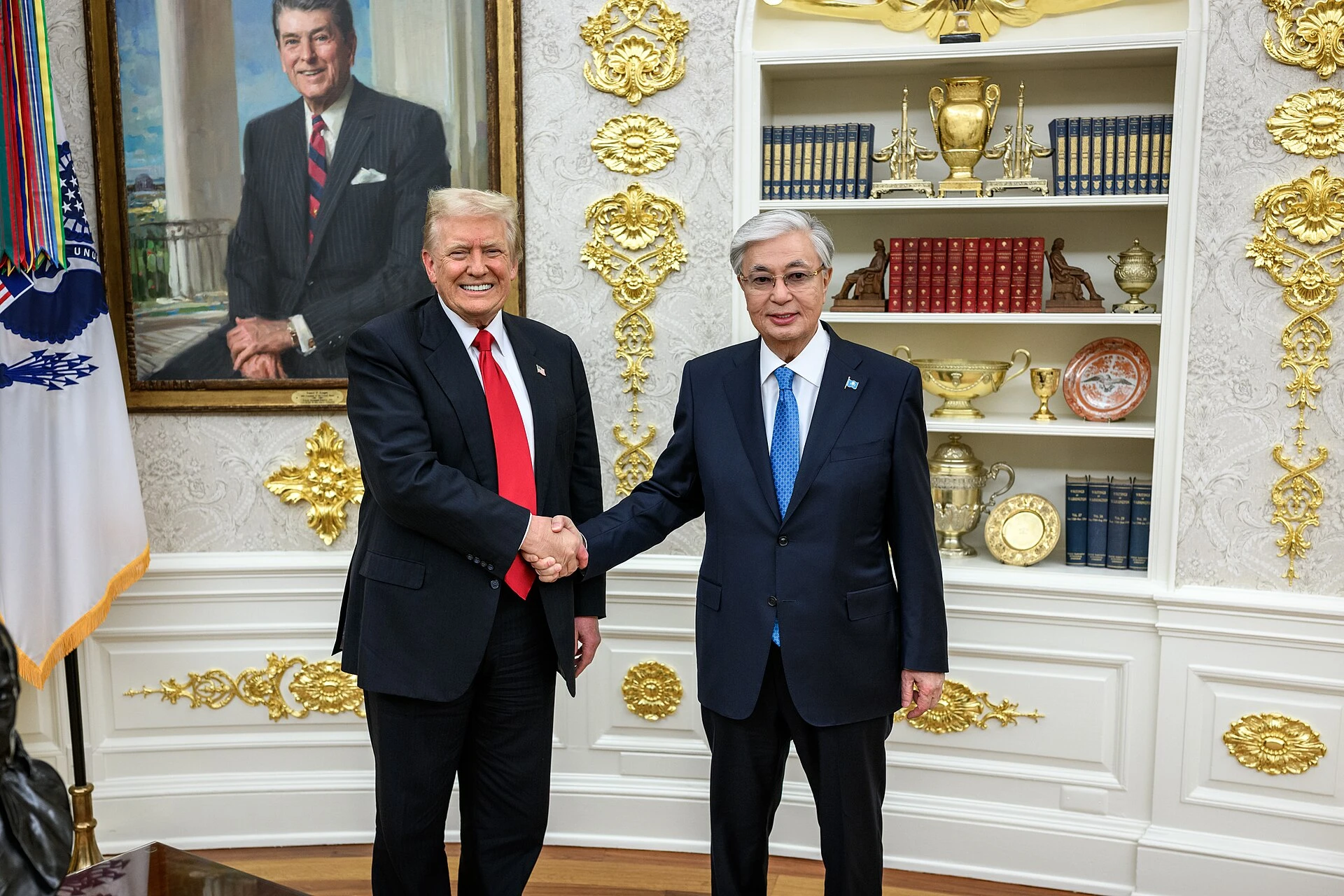
For the United States, the payoff is concrete: access to critical minerals, stronger energy security, support for supply chains and a deeper role in Central Asia at a moment when Kazakhstan sits at the center of Russia, China and Europe-bound trade routes, including the Middle Corridor.
Sources
- [1]nytimes.com
- [2]2021-2025.state.gov
- [3]state.gov
- [4]reuters.com